

Gifting Made Simple
Give the Gift of ChoiceClick below to purchase a Pine Centre eGift Card that can be used at participating retailers at Pine Centre.Purchase HereHome
De Causis Plantarum Volume II by Theophrastus Theophrastus, Hardcover | Indigo Chapters
Coles
Loading Inventory...
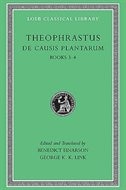
De Causis Plantarum Volume II by Theophrastus Theophrastus, Hardcover | Indigo Chapters
From Theophrastus Theophrastus
Current price: $32.47
Original price: $36.50
Coles
De Causis Plantarum Volume II by Theophrastus Theophrastus, Hardcover | Indigo Chapters
From Theophrastus Theophrastus
Current price: $32.47
Original price: $36.50
Loading Inventory...
Size: 1 x 1 x 1.25
*Product information may vary - to confirm product availability, pricing, shipping and return information please contact Coles
Theophrastus of Eresus in Lesbos, born about 370 BCE, is the author of the most important botanical works that have survived from classical antiquity. He was in turn student, collaborator, and successor of Aristotle. Like his predecessor he was interested in all aspects of human knowledge and experience, especially natural science. His writings on plants form a counterpart to Aristotle's zoological works. In the Enquiry into Plants Theophrastus classifies and describes varieties covering trees, plants of particular regions, shrubs, herbaceous plants, and cereals; in the last of the nine books he focuses on plant juices and medicinal properties of herbs. The Loeb Classical Library edition is in two volumes; the second contains two additional treatises: On Odours and Weather Signs. In De Causis Plantarum Theophrastus turns to plant physiology. Books One and Two are concerned with generation, sprouting, flowering and fruiting, and the effects of climate. In Books Three and Four Theophrastus studies cultivation and agricultural methods. In Books Five and Six he discusses plant breeding; diseases and other causes of death; and distinctive flavours and odours. Theophrastus's celebrated Characters is of a quite different nature. This collection of descriptive sketches is the earliest known character-writing and a striking reflection of contemporary life. | De Causis Plantarum Volume II by Theophrastus Theophrastus, Hardcover | Indigo Chapters
Theophrastus of Eresus in Lesbos, born about 370 BCE, is the author of the most important botanical works that have survived from classical antiquity. He was in turn student, collaborator, and successor of Aristotle. Like his predecessor he was interested in all aspects of human knowledge and experience, especially natural science. His writings on plants form a counterpart to Aristotle's zoological works. In the Enquiry into Plants Theophrastus classifies and describes varieties covering trees, plants of particular regions, shrubs, herbaceous plants, and cereals; in the last of the nine books he focuses on plant juices and medicinal properties of herbs. The Loeb Classical Library edition is in two volumes; the second contains two additional treatises: On Odours and Weather Signs. In De Causis Plantarum Theophrastus turns to plant physiology. Books One and Two are concerned with generation, sprouting, flowering and fruiting, and the effects of climate. In Books Three and Four Theophrastus studies cultivation and agricultural methods. In Books Five and Six he discusses plant breeding; diseases and other causes of death; and distinctive flavours and odours. Theophrastus's celebrated Characters is of a quite different nature. This collection of descriptive sketches is the earliest known character-writing and a striking reflection of contemporary life. | De Causis Plantarum Volume II by Theophrastus Theophrastus, Hardcover | Indigo Chapters
You May Also Like









More About Coles at Pine Centre
Shop Coles for bestselling books, toys, stationary, and so much more!
3079 Massey Dr, Prince George, BC V2N 1R4, Canada
Find Coles at Pine Centre in Prince George, BC
Visit Coles at Pine Centre in Prince George, BC
