

Gifting Made Simple
Give the Gift of ChoiceClick below to purchase a Pine Centre eGift Card that can be used at participating retailers at Pine Centre.Purchase HereHome
YUNUS EMRE
Coles
Loading Inventory...
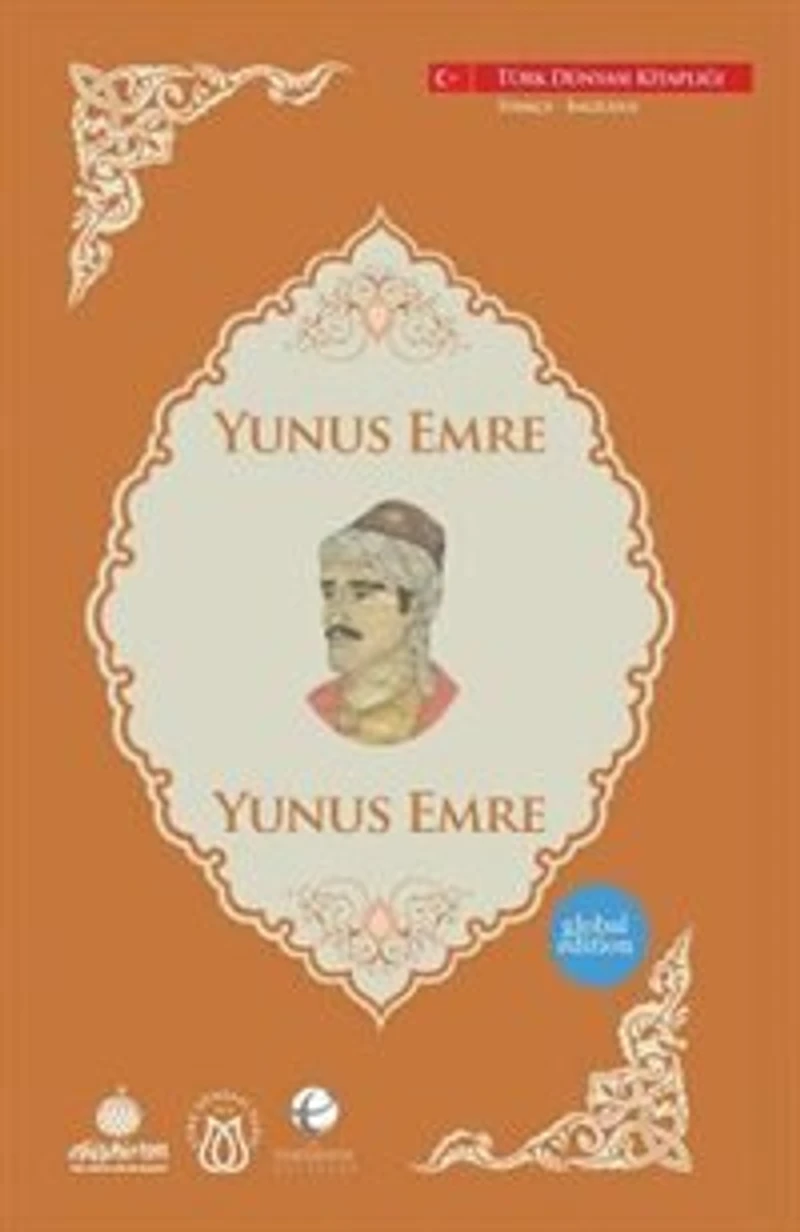
YUNUS EMRE
By None
Current price: $13.99
Coles
YUNUS EMRE
By None
Current price: $13.99
Loading Inventory...
Size: Paperback
*Product information and pricing may vary - to confirm current pricing, availability, shipping, and return information please contact Coles. In the event of a pricing discrepancy, the retailer's price will apply.
The Turkification of Anatolia between the 11th and 13th centuries is amongst the most important historical events. Sultan Alp Arslan, by defeating the Byzantines in the year 1071, opened up Anatolia’s doors to the Turkish Muslims. Following this date, Turkish tribes migrated to Anatolia and held these lands as their country.
During the period of the Sultanate of Rum (the Seljuk Empire), many scholars from Islamic countries settled in Anatolia and played a role in the formation of a new civilization and culture. In particular, Sultan Ala alDin Kayqubad accepted and respected scholars from Turkistan and Iran, who fled from the Mughals. In addition, the Turkification and Islamification of Anatolia was completed in the period of the Seljuks and complete harmony was achieved between the nomads, agronomists and the urban people. Furthermore, in this period, Anatolia had become the center for the East-West and North-South trade route.
The Turkification of Anatolia between the 11th and 13th centuries is amongst the most important historical events. Sultan Alp Arslan, by defeating the Byzantines in the year 1071, opened up Anatolia’s doors to the Turkish Muslims. Following this date, Turkish tribes migrated to Anatolia and held these lands as their country.
During the period of the Sultanate of Rum (the Seljuk Empire), many scholars from Islamic countries settled in Anatolia and played a role in the formation of a new civilization and culture. In particular, Sultan Ala alDin Kayqubad accepted and respected scholars from Turkistan and Iran, who fled from the Mughals. In addition, the Turkification and Islamification of Anatolia was completed in the period of the Seljuks and complete harmony was achieved between the nomads, agronomists and the urban people. Furthermore, in this period, Anatolia had become the center for the East-West and North-South trade route.
You May Also Like














More About Coles at Pine Centre
Shop Coles for bestselling books, toys, stationary, and so much more!
3079 Massey Dr, Prince George, BC V2N 1R4, Canada
Find Coles at Pine Centre in Prince George, BC
Visit Coles at Pine Centre in Prince George, BC
