

Gifting Made Simple
Give the Gift of ChoiceClick below to purchase a Pine Centre eGift Card that can be used at participating retailers at Pine Centre.Purchase HereHome
Western History Musical Perspective
Coles
Loading Inventory...
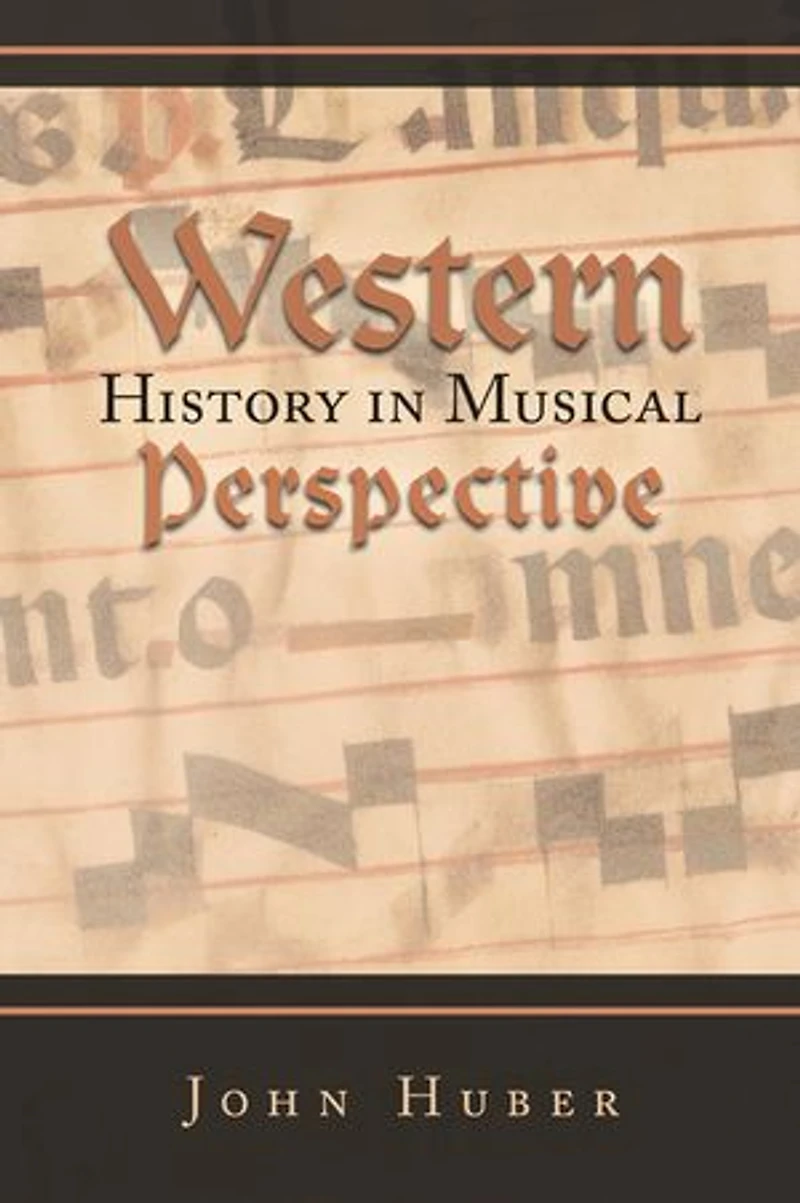

Western History Musical Perspective
By None
Current price: $6.29
Original price: $6.99
Coles
Western History Musical Perspective
By None
Current price: $6.29
Original price: $6.99
Loading Inventory...
Size: Kobo eBook
*Product information and pricing may vary - to confirm current pricing, availability, shipping, and return information please contact Coles. In the event of a pricing discrepancy, the retailer's price will apply.
Archaeological discoveries indicate that early man, even in a primitive state, made tools to produce and control sound. Music has evolved right along with us. From the perspective of Western (European) culture, all known older, more advanced forms of music developed in the East. The first civilizations of Central Asia, the Middle East, and the Nile had music with well-developed applications, as did the Greeks and Romans, who follow them in our history books. The geographical regions now dominated by China and India, and the Turkic peoples spreading westwards from Mongolia, all had their own, as well as shared, variations of percussion, string, and wind instruments, as well as vocal music. During the millennia since then, Western culture has undergone constant increasingly rapid and advanced development, and so has its music; during the sixteenth century it was spread into the Americas, eventually achieving total domination. Soon after, colonial activity also forced East Asia and eventually the rest of the world to deal with Western culture, which affected and often threatened native cultures. Get a detailed look at history from a musical perspective with this scholarly work by a musicologist who is an expert in stringed musical instrument history and development.
Archaeological discoveries indicate that early man, even in a primitive state, made tools to produce and control sound. Music has evolved right along with us. From the perspective of Western (European) culture, all known older, more advanced forms of music developed in the East. The first civilizations of Central Asia, the Middle East, and the Nile had music with well-developed applications, as did the Greeks and Romans, who follow them in our history books. The geographical regions now dominated by China and India, and the Turkic peoples spreading westwards from Mongolia, all had their own, as well as shared, variations of percussion, string, and wind instruments, as well as vocal music. During the millennia since then, Western culture has undergone constant increasingly rapid and advanced development, and so has its music; during the sixteenth century it was spread into the Americas, eventually achieving total domination. Soon after, colonial activity also forced East Asia and eventually the rest of the world to deal with Western culture, which affected and often threatened native cultures. Get a detailed look at history from a musical perspective with this scholarly work by a musicologist who is an expert in stringed musical instrument history and development.
You May Also Like

















More About Coles at Pine Centre
Shop Coles for bestselling books, toys, stationary, and so much more!
3079 Massey Dr, Prince George, BC V2N 1R4, Canada
Find Coles at Pine Centre in Prince George, BC
Visit Coles at Pine Centre in Prince George, BC
