

Gifting Made Simple
Give the Gift of ChoiceClick below to purchase a Pine Centre eGift Card that can be used at participating retailers at Pine Centre.Purchase HereHome
Walter Ralegh's "History of the World" and Historical Culture Late Renaissance
Coles
Loading Inventory...
Walter Ralegh's "History of the World" and Historical Culture Late Renaissance
By None
Current price: $17.59
Original price: $21.99
Coles
Walter Ralegh's "History of the World" and Historical Culture Late Renaissance
By None
Current price: $17.59
Original price: $21.99
Loading Inventory...
Size: Kobo eBook
*Product information and pricing may vary - to confirm current pricing, availability, shipping, and return information please contact Coles. In the event of a pricing discrepancy, the retailer's price will apply.
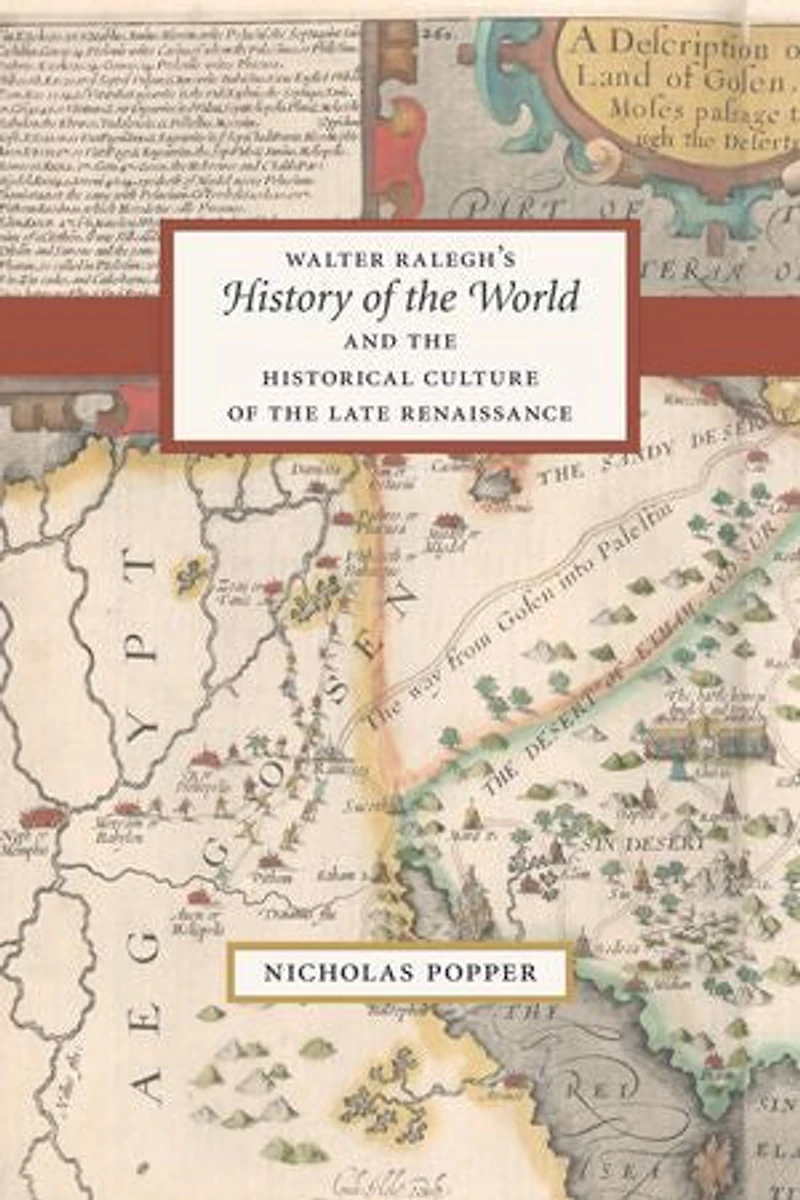
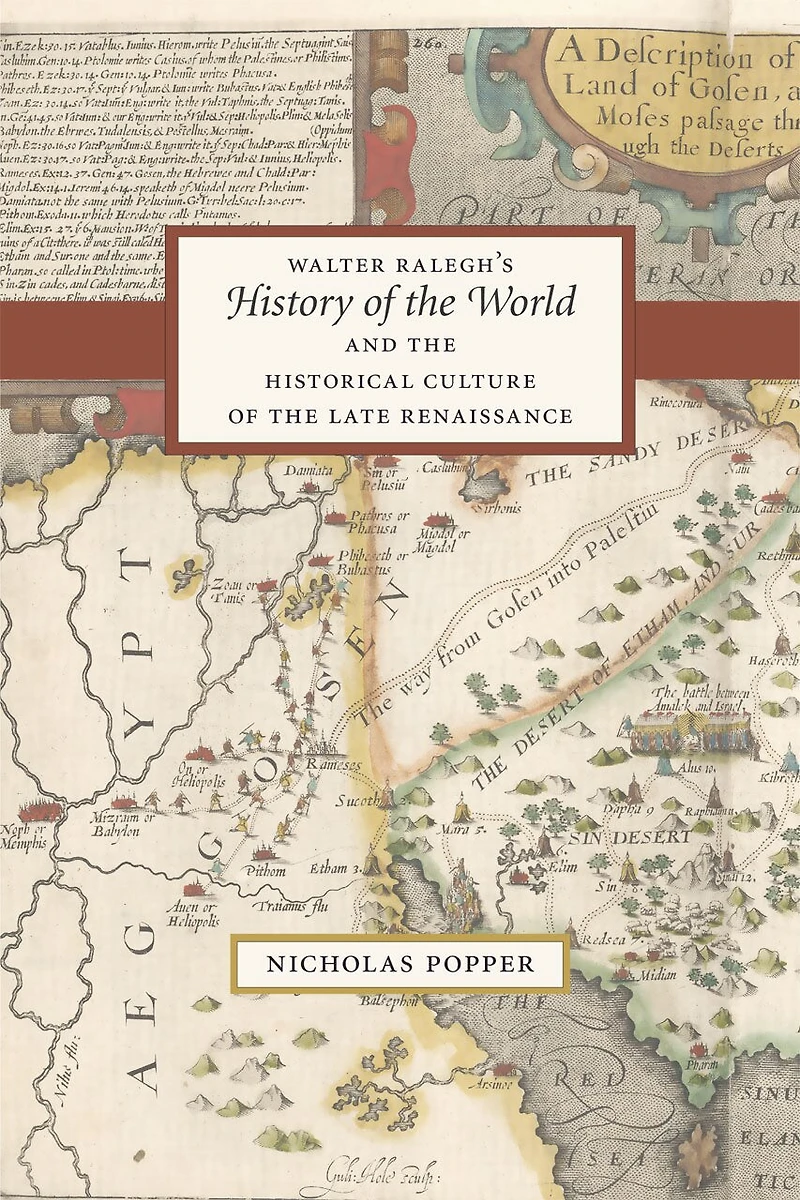
Imprisoned in the Tower of London after the death of Queen Elizabeth in 1603, Sir Walter Ralegh spent seven years producing his massive History of the World. Created with the aid of a library of more than five hundred books that he was allowed to keep in his quarters, this incredible work of English vernacular would become a best seller, with nearly twenty editions, abridgments, and continuations issued in the years that followed.
Nicholas Popper uses Ralegh’s History as a touchstone in this lively exploration of the culture of history writing and historical thinking in the late Renaissance. From Popper we learn why early modern Europeans ascribed heightened value to the study of the past and how scholars and statesmen began to see historical expertise as not just a foundation for political practice and theory, but as a means of advancing their power in the courts and councils of contemporary Europe. The rise of historical scholarship during this period encouraged the circulation of its methods to other disciplines, transforming Europe’s intellectual—and political—regimes. More than a mere study of Ralegh’s History of the World , Popper’s book reveals how the methods that historians devised to illuminate the past structured the dynamics of early modernity in Europe and England.
Imprisoned in the Tower of London after the death of Queen Elizabeth in 1603, Sir Walter Ralegh spent seven years producing his massive History of the World. Created with the aid of a library of more than five hundred books that he was allowed to keep in his quarters, this incredible work of English vernacular would become a best seller, with nearly twenty editions, abridgments, and continuations issued in the years that followed.
Nicholas Popper uses Ralegh’s History as a touchstone in this lively exploration of the culture of history writing and historical thinking in the late Renaissance. From Popper we learn why early modern Europeans ascribed heightened value to the study of the past and how scholars and statesmen began to see historical expertise as not just a foundation for political practice and theory, but as a means of advancing their power in the courts and councils of contemporary Europe. The rise of historical scholarship during this period encouraged the circulation of its methods to other disciplines, transforming Europe’s intellectual—and political—regimes. More than a mere study of Ralegh’s History of the World , Popper’s book reveals how the methods that historians devised to illuminate the past structured the dynamics of early modernity in Europe and England.
You May Also Like










More About Coles at Pine Centre
Shop Coles for bestselling books, toys, stationary, and so much more!
3079 Massey Dr, Prince George, BC V2N 1R4, Canada
Find Coles at Pine Centre in Prince George, BC
Visit Coles at Pine Centre in Prince George, BC
