

Gifting Made Simple
Give the Gift of ChoiceClick below to purchase a Pine Centre eGift Card that can be used at participating retailers at Pine Centre.Purchase HereHome
Unhomed: Cycles of Mobility and Placelessness American Cinema
Coles
Loading Inventory...
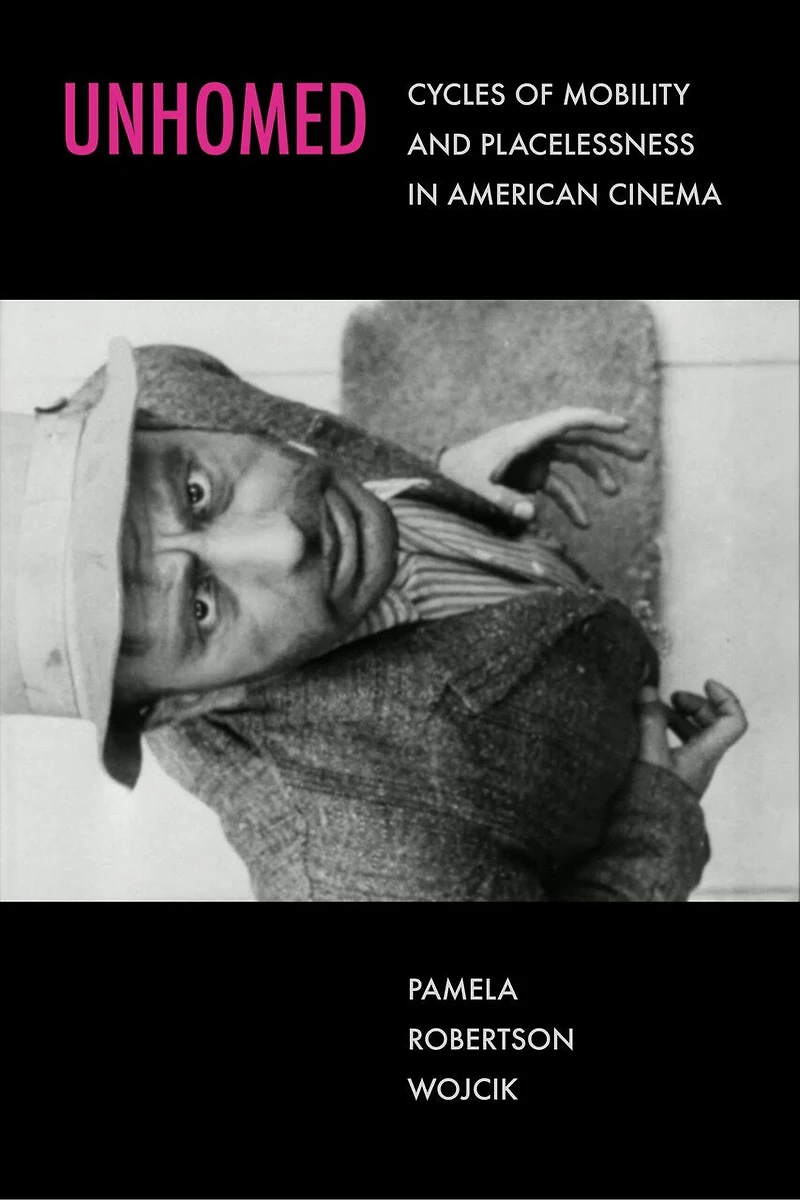
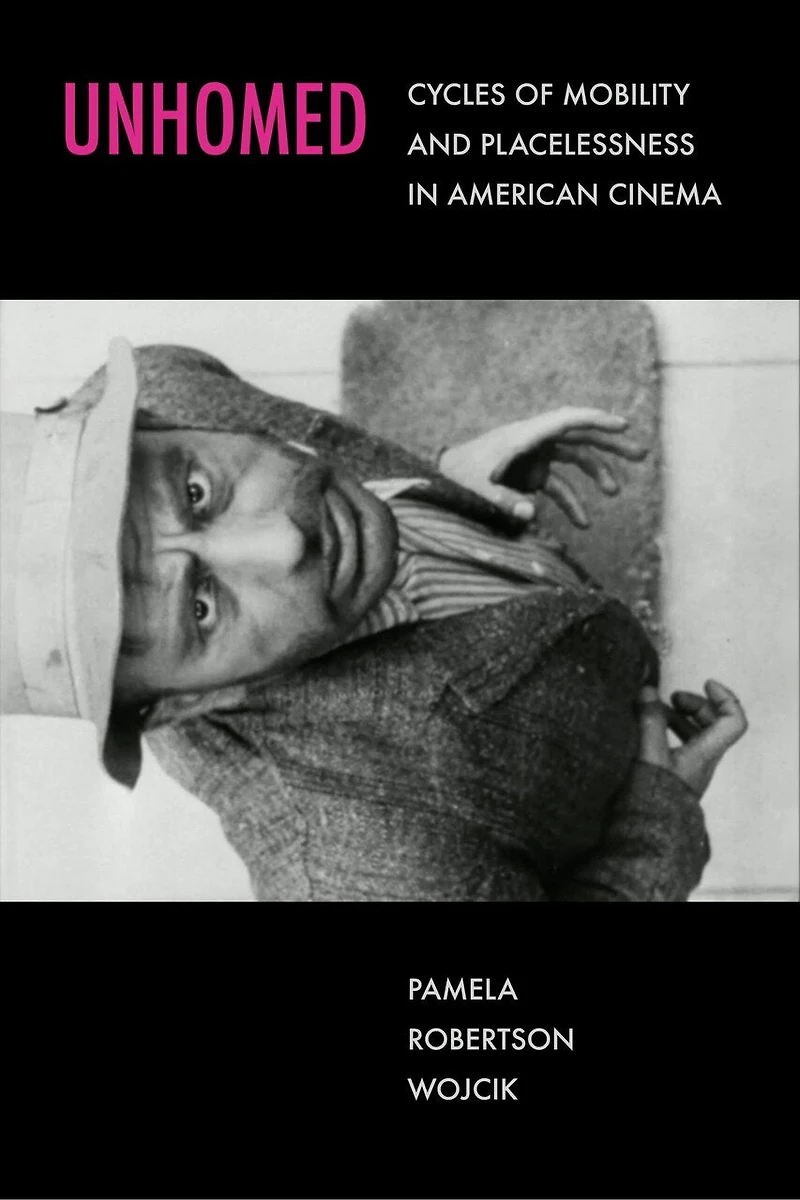
Unhomed: Cycles of Mobility and Placelessness American Cinema
By None
Current price: $109.90
Coles
Unhomed: Cycles of Mobility and Placelessness American Cinema
By None
Current price: $109.90
Loading Inventory...
Size: Hardcover
*Product information and pricing may vary - to confirm current pricing, availability, shipping, and return information please contact Coles. In the event of a pricing discrepancy, the retailer's price will apply.
In this rich cultural history, Pamela Roberston Wojcik examines America's ambivalent and shifting attitude toward homelessness. She considers film cycles from five distinct historical moments that show characters who are unhomed and placeless, mobile rather than fixed—characters who fail, resist, or opt out of the mandate for a home of one's own. From the tramp films of the silent era to the 2021 Oscar-winning Nomadland , Wojcik reveals a tension in the American imaginary between viewing homelessness as deviant and threatening or emblematic of freedom and independence. Blending social history with insights drawn from a complex array of films, both canonical and fringe, Wojcik effectively "unhomes" dominant narratives that cast aspirations for success and social mobility as the focus of American cinema, reminding us that genres of precarity have been central to American cinema (and the American story) all along.
In this rich cultural history, Pamela Roberston Wojcik examines America's ambivalent and shifting attitude toward homelessness. She considers film cycles from five distinct historical moments that show characters who are unhomed and placeless, mobile rather than fixed—characters who fail, resist, or opt out of the mandate for a home of one's own. From the tramp films of the silent era to the 2021 Oscar-winning Nomadland , Wojcik reveals a tension in the American imaginary between viewing homelessness as deviant and threatening or emblematic of freedom and independence. Blending social history with insights drawn from a complex array of films, both canonical and fringe, Wojcik effectively "unhomes" dominant narratives that cast aspirations for success and social mobility as the focus of American cinema, reminding us that genres of precarity have been central to American cinema (and the American story) all along.
You May Also Like













More About Coles at Pine Centre
Shop Coles for bestselling books, toys, stationary, and so much more!
3079 Massey Dr, Prince George, BC V2N 1R4, Canada
Find Coles at Pine Centre in Prince George, BC
Visit Coles at Pine Centre in Prince George, BC
