

Gifting Made Simple
Give the Gift of ChoiceClick below to purchase a Pine Centre eGift Card that can be used at participating retailers at Pine Centre.Purchase HereHome
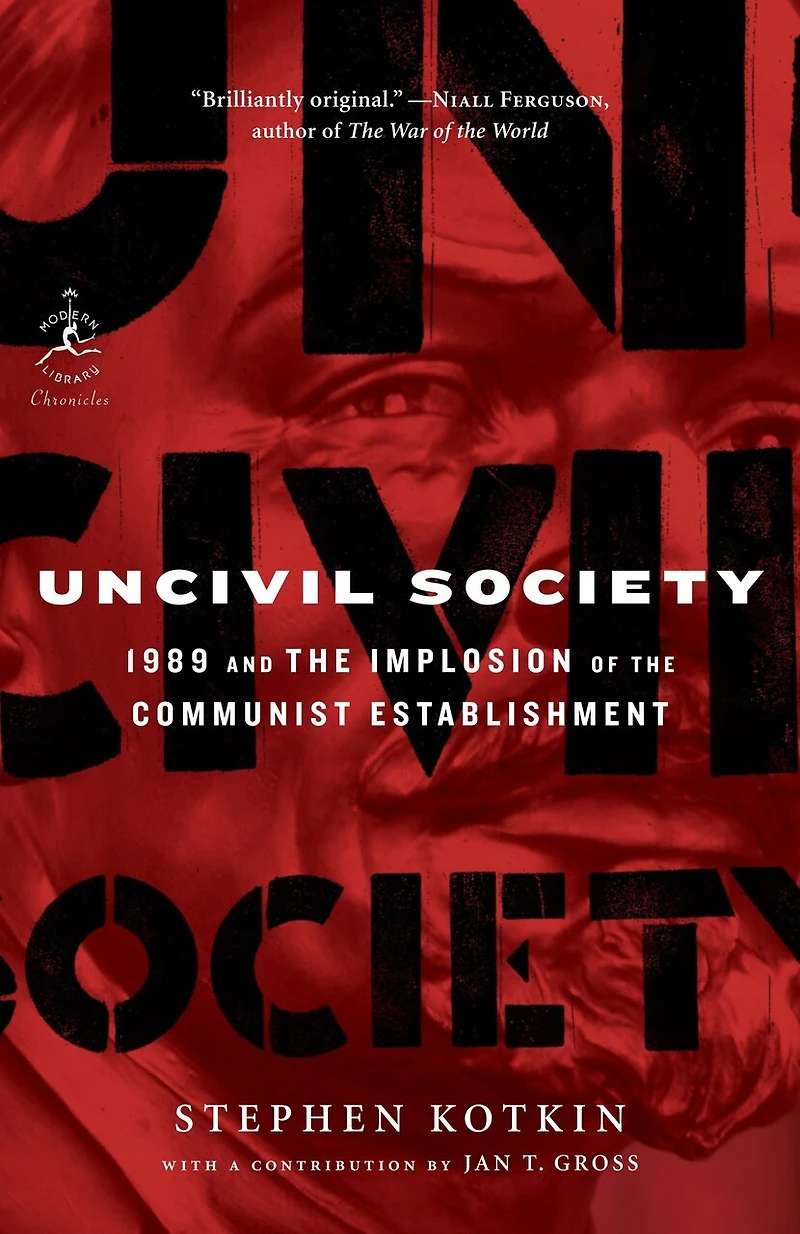
Uncivil Society: 1989 And The Implosion Of Communist Establishment
Coles
Loading Inventory...

Uncivil Society: 1989 And The Implosion Of Communist Establishment
By None
Current price: $9.99
Coles
Uncivil Society: 1989 And The Implosion Of Communist Establishment
By None
Current price: $9.99
Loading Inventory...
Size: Kobo eBook
*Product information and pricing may vary - to confirm current pricing, availability, shipping, and return information please contact Coles. In the event of a pricing discrepancy, the retailer's price will apply.
Twenty years ago, the Berlin Wall fell. In one of modern history’s most miraculous occurrences, communism imploded–and not with a bang, but with a whimper. Now two of the foremost scholars of East European and Soviet affairs, Stephen Kotkin and Jan T. Gross, drawing upon two decades of reflection, revisit this crash. In a crisp, concise, unsentimental narrative, they employ three case studies–East Germany, Romania, and Poland–to illuminate what led Communist regimes to surrender, or to be swept away in political bank runs. This is less a story of dissidents, so-called civil society, than of the bankruptcy of a ruling class–communism’s establishment, or “uncivil society.” The Communists borrowed from the West like drunken sailors to buy mass consumer goods, then were unable to pay back the hard-currency debts and so borrowed even more. In Eastern Europe, communism came to resemble a Ponzi scheme, one whose implosion carries enduring lessons. From East Germany’s pseudotechnocracy to Romania’s megalomaniacal dystopia, from Communist Poland’s cult of Mary to the Kremlin’s surprise restraint, Kotkin and Gross pull back the curtain on the fraud and decadence that cashiered the would-be alternative to the market and democracy, an outcome that opened up to a deeper global integration that has proved destabilizing.
Twenty years ago, the Berlin Wall fell. In one of modern history’s most miraculous occurrences, communism imploded–and not with a bang, but with a whimper. Now two of the foremost scholars of East European and Soviet affairs, Stephen Kotkin and Jan T. Gross, drawing upon two decades of reflection, revisit this crash. In a crisp, concise, unsentimental narrative, they employ three case studies–East Germany, Romania, and Poland–to illuminate what led Communist regimes to surrender, or to be swept away in political bank runs. This is less a story of dissidents, so-called civil society, than of the bankruptcy of a ruling class–communism’s establishment, or “uncivil society.” The Communists borrowed from the West like drunken sailors to buy mass consumer goods, then were unable to pay back the hard-currency debts and so borrowed even more. In Eastern Europe, communism came to resemble a Ponzi scheme, one whose implosion carries enduring lessons. From East Germany’s pseudotechnocracy to Romania’s megalomaniacal dystopia, from Communist Poland’s cult of Mary to the Kremlin’s surprise restraint, Kotkin and Gross pull back the curtain on the fraud and decadence that cashiered the would-be alternative to the market and democracy, an outcome that opened up to a deeper global integration that has proved destabilizing.
You May Also Like
















More About Coles at Pine Centre
Shop Coles for bestselling books, toys, stationary, and so much more!
3079 Massey Dr, Prince George, BC V2N 1R4, Canada
Find Coles at Pine Centre in Prince George, BC
Visit Coles at Pine Centre in Prince George, BC
