

Gifting Made Simple
Give the Gift of ChoiceClick below to purchase a Pine Centre eGift Card that can be used at participating retailers at Pine Centre.Purchase HereHome
“They Love Us Because We Give Them Zakāt": The Distribution of Wealth and the Making of Social Relations in Northern Nigeria
Coles
Loading Inventory...
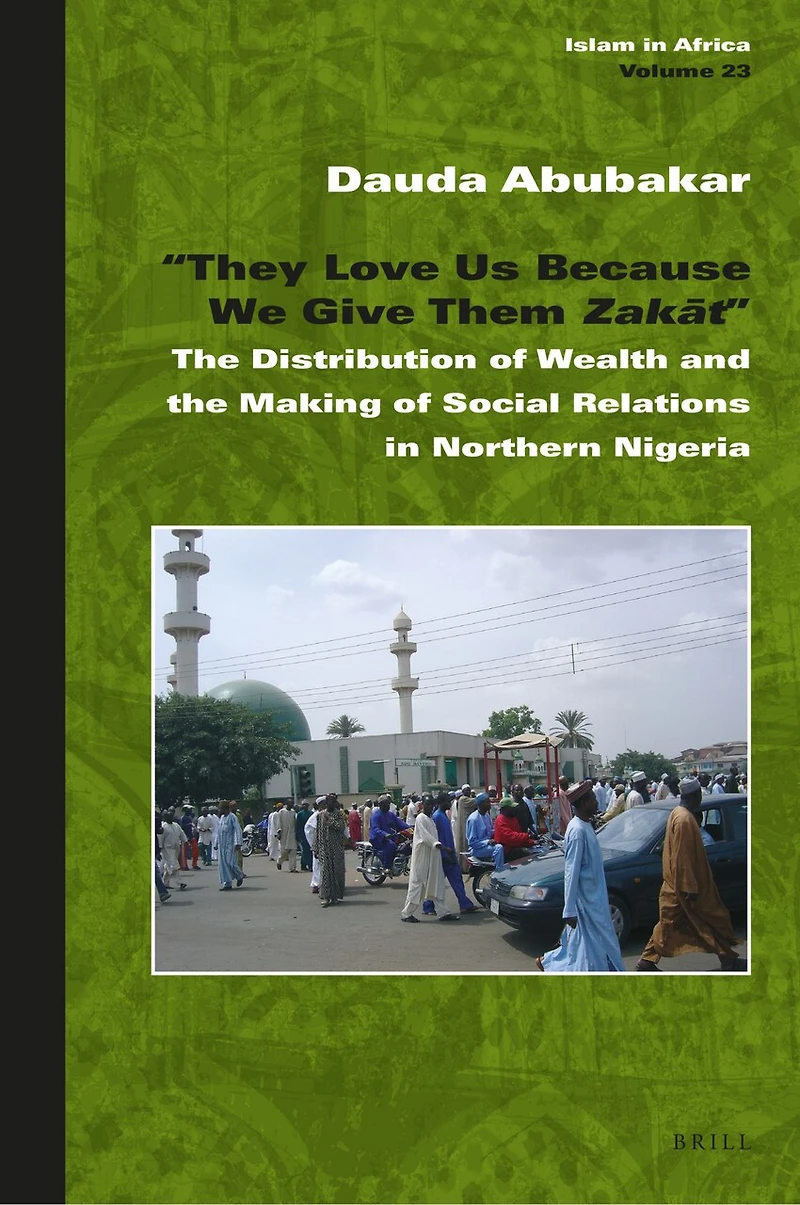
“They Love Us Because We Give Them Zakāt": The Distribution of Wealth and the Making of Social Relations in Northern Nigeria
By None
Current price: $206.99
Coles
“They Love Us Because We Give Them Zakāt": The Distribution of Wealth and the Making of Social Relations in Northern Nigeria
By None
Current price: $206.99
Loading Inventory...
Size: Hardcover
*Product information and pricing may vary - to confirm current pricing, availability, shipping, and return information please contact Coles. In the event of a pricing discrepancy, the retailer's price will apply.
In ‘They Love Us Because We Give Them’ Zakāt , Dauda Abubakar describes the practice of Zakāt in northern Nigeria. Those who practice this pillar of Islam annually deduct Zakāt from their wealth and distribute it to the poor and needy people within their vicinity, mostly their friends, relatives and neighbours.
The practice of giving and receiving Zakāt in northern Nigeria often leads to the establishment of social relations between the rich and needy. Dauda Abubakar provides details of the social relationship in the people’s interpersonal dealings with one another that often lead to power relations, high table relations etc. The needy reciprocate the Zakāt they collect in many ways, respecting and given high positions to the rich in society.
In ‘They Love Us Because We Give Them’ Zakāt , Dauda Abubakar describes the practice of Zakāt in northern Nigeria. Those who practice this pillar of Islam annually deduct Zakāt from their wealth and distribute it to the poor and needy people within their vicinity, mostly their friends, relatives and neighbours.
The practice of giving and receiving Zakāt in northern Nigeria often leads to the establishment of social relations between the rich and needy. Dauda Abubakar provides details of the social relationship in the people’s interpersonal dealings with one another that often lead to power relations, high table relations etc. The needy reciprocate the Zakāt they collect in many ways, respecting and given high positions to the rich in society.
You May Also Like















More About Coles at Pine Centre
Shop Coles for bestselling books, toys, stationary, and so much more!
3079 Massey Dr, Prince George, BC V2N 1R4, Canada
Find Coles at Pine Centre in Prince George, BC
Visit Coles at Pine Centre in Prince George, BC
