

Gifting Made Simple
Give the Gift of ChoiceClick below to purchase a Pine Centre eGift Card that can be used at participating retailers at Pine Centre.Purchase HereHome
The Wines of Southwest U.S.A.: A Guide to New Mexico, Texas, Arizona and Colorado
Coles
Loading Inventory...
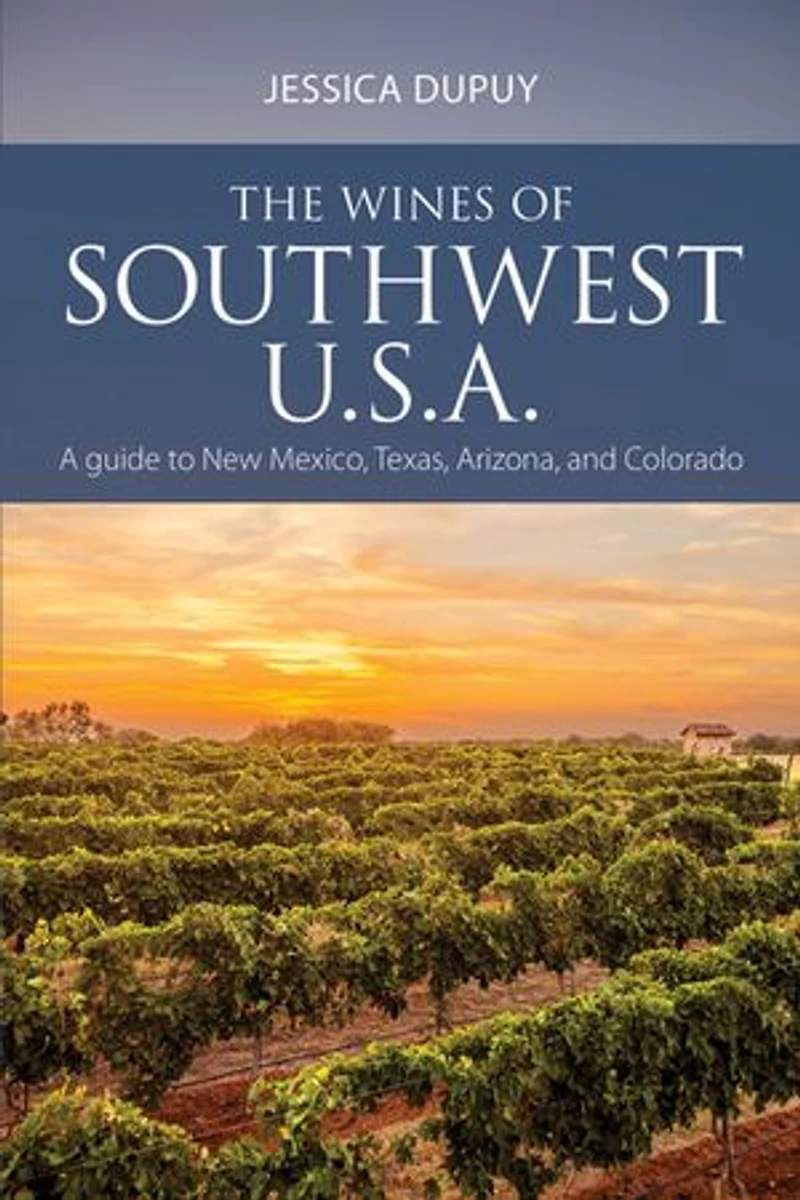

The Wines of Southwest U.S.A.: A Guide to New Mexico, Texas, Arizona and Colorado
By None
Current price: $15.19
Original price: $18.99
Coles
The Wines of Southwest U.S.A.: A Guide to New Mexico, Texas, Arizona and Colorado
By None
Current price: $15.19
Original price: $18.99
Loading Inventory...
Size: Kobo eBook
*Product information and pricing may vary - to confirm current pricing, availability, shipping, and return information please contact Coles. In the event of a pricing discrepancy, the retailer's price will apply.
Few would associate America’s frontier states with wine. And yet it is here that the country’s first Vitis vinifera vines are said to have been planted. Since the 1970s the wine industries of Texas, New Mexico, Arizona and Colorado have evolved. This book takes each state in turn, focusing on growing conditions, key issues and prominent producers.
Although Vitis vinifera vines have been grown in the American southwest for nearly 400 years, its modern wine era only really began with the new pioneers of the 1960s and 1970s. All four states can boast growing wine industries, each with its own distinct identity. Although home to those first wine grapes, New Mexico may be the least experienced player, with a few major producers and many smaller, new arrivals. The Texas industry is bigger, more developed and more polished, with at least 350 wineries operating and plenty of room for growth. Arizona has perhaps made the most progress in the shortest time; some impressive growing conditions, educational initiatives, and a tight-knit band of producers have led to promising quality wines. Colorado, long known for its fruit orchards, is now home to vineyards too, with many producers also farming other fruit and creating wines from both.
Taking each state in turn, Jessica Dupuy guides us expertly through its history before presenting a thorough summary of its climate and geology, discussing the grapes grown, explaining the sub regions (AVAs), and appraising the challenges wine growers face. Influential and innovative producers are profiled, and each section concludes with ideas on where to visit, dine, and stay. Boxes throughout the text supply asides on historical, geographic, and cultural points of interest. For anybody interested in discovering a truly up-and-coming wine region this book makes for fascinating reading.
Few would associate America’s frontier states with wine. And yet it is here that the country’s first Vitis vinifera vines are said to have been planted. Since the 1970s the wine industries of Texas, New Mexico, Arizona and Colorado have evolved. This book takes each state in turn, focusing on growing conditions, key issues and prominent producers.
Although Vitis vinifera vines have been grown in the American southwest for nearly 400 years, its modern wine era only really began with the new pioneers of the 1960s and 1970s. All four states can boast growing wine industries, each with its own distinct identity. Although home to those first wine grapes, New Mexico may be the least experienced player, with a few major producers and many smaller, new arrivals. The Texas industry is bigger, more developed and more polished, with at least 350 wineries operating and plenty of room for growth. Arizona has perhaps made the most progress in the shortest time; some impressive growing conditions, educational initiatives, and a tight-knit band of producers have led to promising quality wines. Colorado, long known for its fruit orchards, is now home to vineyards too, with many producers also farming other fruit and creating wines from both.
Taking each state in turn, Jessica Dupuy guides us expertly through its history before presenting a thorough summary of its climate and geology, discussing the grapes grown, explaining the sub regions (AVAs), and appraising the challenges wine growers face. Influential and innovative producers are profiled, and each section concludes with ideas on where to visit, dine, and stay. Boxes throughout the text supply asides on historical, geographic, and cultural points of interest. For anybody interested in discovering a truly up-and-coming wine region this book makes for fascinating reading.
You May Also Like

















More About Coles at Pine Centre
Shop Coles for bestselling books, toys, stationary, and so much more!
3079 Massey Dr, Prince George, BC V2N 1R4, Canada
Find Coles at Pine Centre in Prince George, BC
Visit Coles at Pine Centre in Prince George, BC
