

Gifting Made Simple
Give the Gift of ChoiceClick below to purchase a Pine Centre eGift Card that can be used at participating retailers at Pine Centre.Purchase HereHome
The Social Control of Technology in North Africa: Information in the Global Economy
Coles
Loading Inventory...
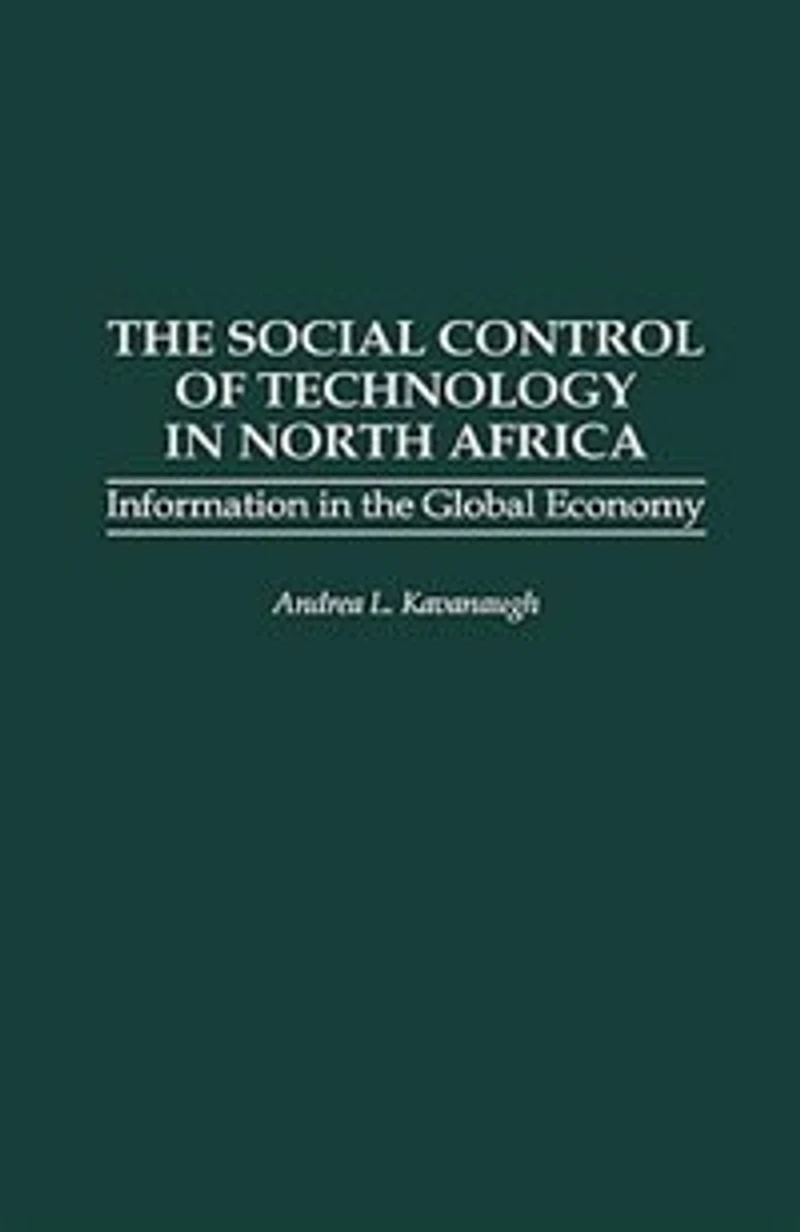
The Social Control of Technology in North Africa: Information in the Global Economy
By None
Current price: $116.95
Coles
The Social Control of Technology in North Africa: Information in the Global Economy
By None
Current price: $116.95
Loading Inventory...
Size: Hardcover
*Product information and pricing may vary - to confirm current pricing, availability, shipping, and return information please contact Coles. In the event of a pricing discrepancy, the retailer's price will apply.
In order to improve productivity and economic development, developing countries have been expanding their telecommunications infrastructure and integrating advanced information technology into their socioeconomic system. Some scholars argue that new media will be integral to the overthrow of authoritarian regimes and will allow democracy to bloom throughout developing countries. Others claim that new media will strengthen centralized control and further erode social liberty and pluralism. This study of three North African states-Tunisia, Algeria, and Morocco-argues for a third, more likely outcome. Developing countries, the author argues, are largely able to control the introduction and diffusion of new information technologies and services, including the Internet, using traditional procedures. The authoritarian governments in North Africa allow a slow, careful disbursement of new media privileges to a select minority. By maintaining direct or indirect social control over the market for advanced technologies and services, these governments can embrace new media for modernization, economic growth, and integration into the global economy without being overcome by civil unrest or instability.
In order to improve productivity and economic development, developing countries have been expanding their telecommunications infrastructure and integrating advanced information technology into their socioeconomic system. Some scholars argue that new media will be integral to the overthrow of authoritarian regimes and will allow democracy to bloom throughout developing countries. Others claim that new media will strengthen centralized control and further erode social liberty and pluralism. This study of three North African states-Tunisia, Algeria, and Morocco-argues for a third, more likely outcome. Developing countries, the author argues, are largely able to control the introduction and diffusion of new information technologies and services, including the Internet, using traditional procedures. The authoritarian governments in North Africa allow a slow, careful disbursement of new media privileges to a select minority. By maintaining direct or indirect social control over the market for advanced technologies and services, these governments can embrace new media for modernization, economic growth, and integration into the global economy without being overcome by civil unrest or instability.
You May Also Like













More About Coles at Pine Centre
Shop Coles for bestselling books, toys, stationary, and so much more!
3079 Massey Dr, Prince George, BC V2N 1R4, Canada
Find Coles at Pine Centre in Prince George, BC
Visit Coles at Pine Centre in Prince George, BC
