
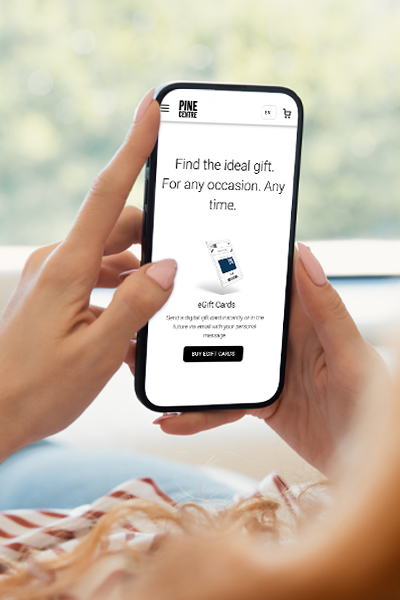
Gifting Made Simple
Give the Gift of ChoiceClick below to purchase a Pine Centre eGift Card that can be used at participating retailers at Pine Centre.Purchase HereHome
The Shape of Korea's Future: South Korean Attitudes Toward Unification and Long-Term Security Issues (1999)
Coles
Loading Inventory...

The Shape of Korea's Future: South Korean Attitudes Toward Unification and Long-Term Security Issues (1999)
By None
Current price: $26.00
Coles
The Shape of Korea's Future: South Korean Attitudes Toward Unification and Long-Term Security Issues (1999)
By None
Current price: $26.00
Loading Inventory...
Size: Paperback
*Product information and pricing may vary - to confirm current pricing, availability, shipping, and return information please contact Coles. In the event of a pricing discrepancy, the retailer's price will apply.
South Koreans are moving beyond both the historical and Cold War legacies in their thinking about Korea''s long-time security. This major conclusion, which emerges from this report analyzing South Korean attitudes toward unification and long-term security issues, is bolstered by additional findings suggesting potentially significant movement in almost all areas of South Korea''s traditional security perspectives. This includes significantly reduced South Korean security anxieties and increased confidence in Korea''s place in the regional and global orders. It also includes greater hesitance about reunification, markedly altered attitudes toward Japan, increased discernment about the role of the U.S.-Republic of Korea (ROK) alliance, and heightened uncertainty about the long-term value of the U.S. regional military presence. Such attitudes could have important implications for both U.S. policy and U.S.-ROK security relations.
South Koreans are moving beyond both the historical and Cold War legacies in their thinking about Korea''s long-time security. This major conclusion, which emerges from this report analyzing South Korean attitudes toward unification and long-term security issues, is bolstered by additional findings suggesting potentially significant movement in almost all areas of South Korea''s traditional security perspectives. This includes significantly reduced South Korean security anxieties and increased confidence in Korea''s place in the regional and global orders. It also includes greater hesitance about reunification, markedly altered attitudes toward Japan, increased discernment about the role of the U.S.-Republic of Korea (ROK) alliance, and heightened uncertainty about the long-term value of the U.S. regional military presence. Such attitudes could have important implications for both U.S. policy and U.S.-ROK security relations.
You May Also Like









More About Coles at Pine Centre
Shop Coles for bestselling books, toys, stationary, and so much more!
3079 Massey Dr, Prince George, BC V2N 1R4, Canada
Find Coles at Pine Centre in Prince George, BC
Visit Coles at Pine Centre in Prince George, BC
