

Gifting Made Simple
Give the Gift of ChoiceClick below to purchase a Pine Centre eGift Card that can be used at participating retailers at Pine Centre.Purchase HereHome
The Seljuqs and their Successors: Art, Culture and History
Coles
Loading Inventory...
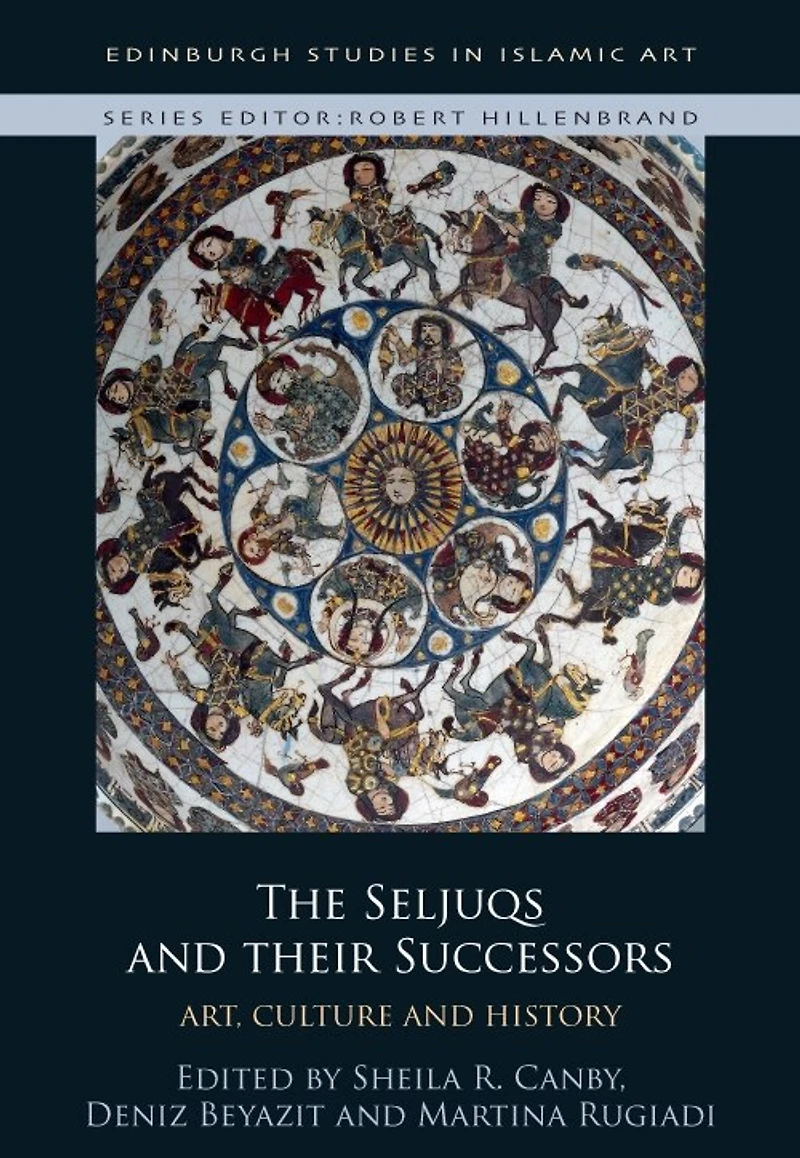
The Seljuqs and their Successors: Art, Culture and History
By None
Current price: $193.47
Coles
The Seljuqs and their Successors: Art, Culture and History
By None
Current price: $193.47
Loading Inventory...
Size: Hardcover
*Product information and pricing may vary - to confirm current pricing, availability, shipping, and return information please contact Coles. In the event of a pricing discrepancy, the retailer's price will apply.
Rising from nomadic origins as Turkish tribesmen, the powerful and culturally prolific Seljuqs and their successor states dominated vast lands extending from Central Asia to the eastern Mediterranean from the eleventh to the fourteenth century.
Supported by colour images, charts, and maps, this volume examines how under Seljuq rule, migrations of people and the exchange and synthesis of diverse traditions—including Turkmen, Perso-Arabo-Islamic, Byzantine, Armenian, Crusader and other Christian cultures—accompanied architectural patronage, advances in science and technology and a great flowering of culture within the realm. It also explores how shifting religious beliefs, ideologies of authority, and lifestyle in Seljuq times influenced cultural and artistic production, urban and rural architecture, monumental inscriptions and royal titulature, and practices of religion and magic. It also presents today’s challenges and new approaches to preserving the material heritage of this vastly accomplished and influential civilization.
Rising from nomadic origins as Turkish tribesmen, the powerful and culturally prolific Seljuqs and their successor states dominated vast lands extending from Central Asia to the eastern Mediterranean from the eleventh to the fourteenth century.
Supported by colour images, charts, and maps, this volume examines how under Seljuq rule, migrations of people and the exchange and synthesis of diverse traditions—including Turkmen, Perso-Arabo-Islamic, Byzantine, Armenian, Crusader and other Christian cultures—accompanied architectural patronage, advances in science and technology and a great flowering of culture within the realm. It also explores how shifting religious beliefs, ideologies of authority, and lifestyle in Seljuq times influenced cultural and artistic production, urban and rural architecture, monumental inscriptions and royal titulature, and practices of religion and magic. It also presents today’s challenges and new approaches to preserving the material heritage of this vastly accomplished and influential civilization.
You May Also Like





More About Coles at Pine Centre
Shop Coles for bestselling books, toys, stationary, and so much more!
3079 Massey Dr, Prince George, BC V2N 1R4, Canada
Find Coles at Pine Centre in Prince George, BC
Visit Coles at Pine Centre in Prince George, BC
