
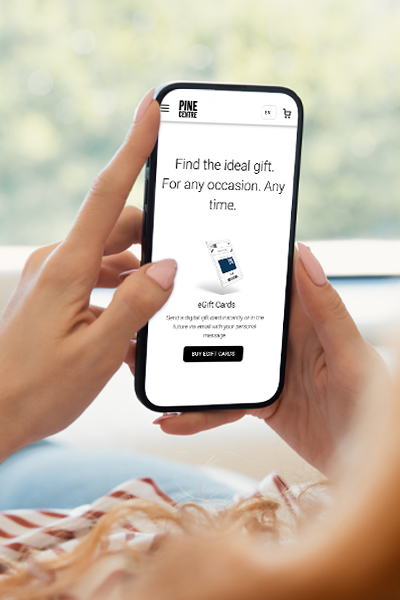
Gifting Made Simple
Give the Gift of ChoiceClick below to purchase a Pine Centre eGift Card that can be used at participating retailers at Pine Centre.Purchase HereHome
the Role of Pupil
Coles
Loading Inventory...


the Role of Pupil
By None
Current price: $171.95
Coles
the Role of Pupil
By None
Current price: $171.95
Loading Inventory...
Size: Hardcover
*Product information and pricing may vary - to confirm current pricing, availability, shipping, and return information please contact Coles. In the event of a pricing discrepancy, the retailer's price will apply.
Although the role of the teacher has been extensively explored, the role of the pupil has received very little attention in the sociology of education. This authoritative study,The Role of the Pupil(first published in 1975), is about what it means to be a school pupil, exposed to the often-conflicting expectations of teachers, parents and peers.The author has drawn on a wide range of sociological literature to focus not only on the basic role of pupil as learner but also on other important but neglected facets of the pupil role. The pupil appears as child-to-be-socialised, as teacher's adversary, as savage-to-be-civilised, as customer, as wrong-doer. These viewpoints provide a fresh perspective on pupil relationships within and beyond the classroom. This book will be of interest to students and researchers of education and sociology.
Although the role of the teacher has been extensively explored, the role of the pupil has received very little attention in the sociology of education. This authoritative study,The Role of the Pupil(first published in 1975), is about what it means to be a school pupil, exposed to the often-conflicting expectations of teachers, parents and peers.The author has drawn on a wide range of sociological literature to focus not only on the basic role of pupil as learner but also on other important but neglected facets of the pupil role. The pupil appears as child-to-be-socialised, as teacher's adversary, as savage-to-be-civilised, as customer, as wrong-doer. These viewpoints provide a fresh perspective on pupil relationships within and beyond the classroom. This book will be of interest to students and researchers of education and sociology.
You May Also Like







More About Coles at Pine Centre
Shop Coles for bestselling books, toys, stationary, and so much more!
3079 Massey Dr, Prince George, BC V2N 1R4, Canada
Find Coles at Pine Centre in Prince George, BC
Visit Coles at Pine Centre in Prince George, BC
