

Gifting Made Simple
Give the Gift of ChoiceClick below to purchase a Pine Centre eGift Card that can be used at participating retailers at Pine Centre.Purchase HereHome
The Rational Factory: Architecture, Technology and Work in America's Age of Mass Production
Coles
Loading Inventory...
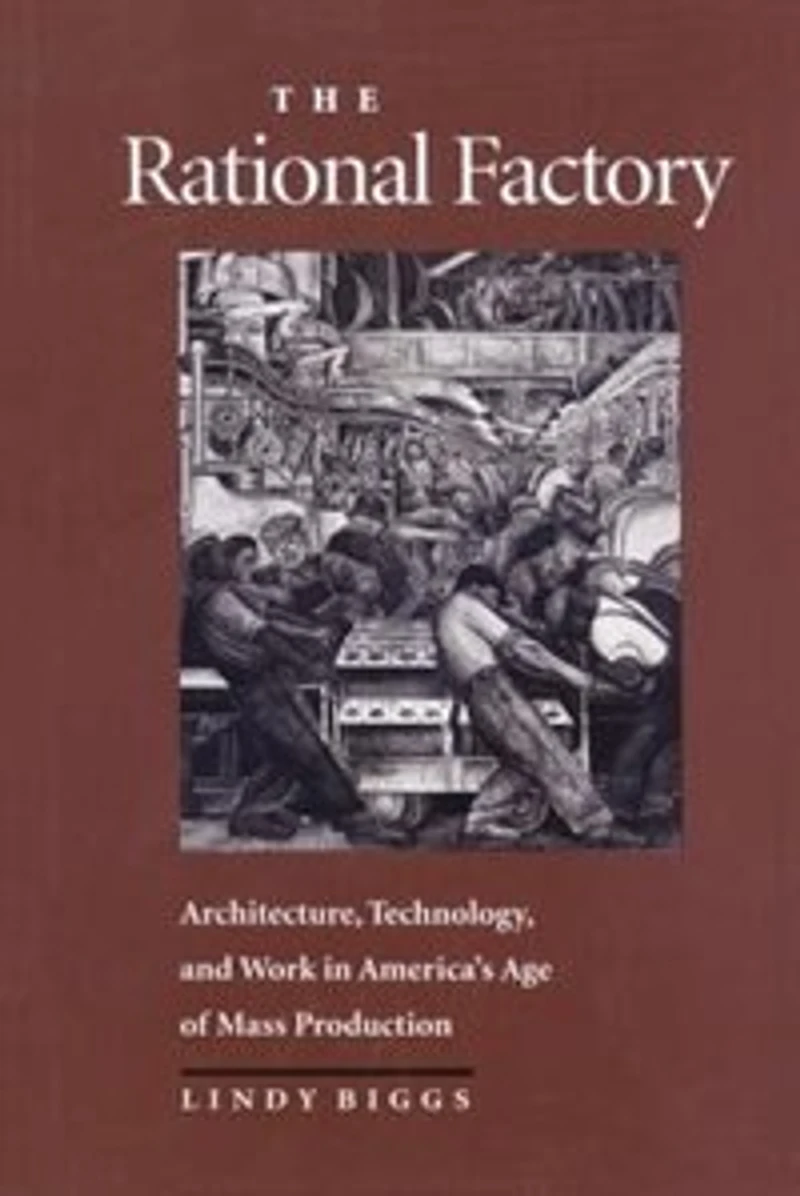
The Rational Factory: Architecture, Technology and Work in America's Age of Mass Production
By None
Current price: $42.95
Coles
The Rational Factory: Architecture, Technology and Work in America's Age of Mass Production
By None
Current price: $42.95
Loading Inventory...
Size: Paperback
*Product information and pricing may vary - to confirm current pricing, availability, shipping, and return information please contact Coles. In the event of a pricing discrepancy, the retailer's price will apply.
Searching for a "rational" workplace, turn-of-the-century engineers and industrial architects recast the factory itself in the image of the machine. Indeed, they considered the factory building the "master machine," containing and coordinating all of the machinery within. Such rational factory planning improved production speed and the management of workers. Once created, the rational factory transformed the nature of work, both human and mechanical. In The Rational Factory, Lindy Biggs contends that factory design played a crucial role in the development of American mass production. Her interdisciplinary study draws from the fields of business history, engineering, technology, architecture, and theories of modernity. Why did some people want to rationalize the factory, she asks, and how did the system impact those who worked under it?
Searching for a "rational" workplace, turn-of-the-century engineers and industrial architects recast the factory itself in the image of the machine. Indeed, they considered the factory building the "master machine," containing and coordinating all of the machinery within. Such rational factory planning improved production speed and the management of workers. Once created, the rational factory transformed the nature of work, both human and mechanical. In The Rational Factory, Lindy Biggs contends that factory design played a crucial role in the development of American mass production. Her interdisciplinary study draws from the fields of business history, engineering, technology, architecture, and theories of modernity. Why did some people want to rationalize the factory, she asks, and how did the system impact those who worked under it?
You May Also Like











More About Coles at Pine Centre
Shop Coles for bestselling books, toys, stationary, and so much more!
3079 Massey Dr, Prince George, BC V2N 1R4, Canada
Find Coles at Pine Centre in Prince George, BC
Visit Coles at Pine Centre in Prince George, BC
