

Gifting Made Simple
Give the Gift of ChoiceClick below to purchase a Pine Centre eGift Card that can be used at participating retailers at Pine Centre.Purchase HereHome
the Psychology of Extreme
Coles
Loading Inventory...

the Psychology of Extreme
By None
Current price: $281.50
Coles
the Psychology of Extreme
By None
Current price: $281.50
Loading Inventory...
Size: Hardcover
*Product information and pricing may vary - to confirm current pricing, availability, shipping, and return information please contact Coles. In the event of a pricing discrepancy, the retailer's price will apply.
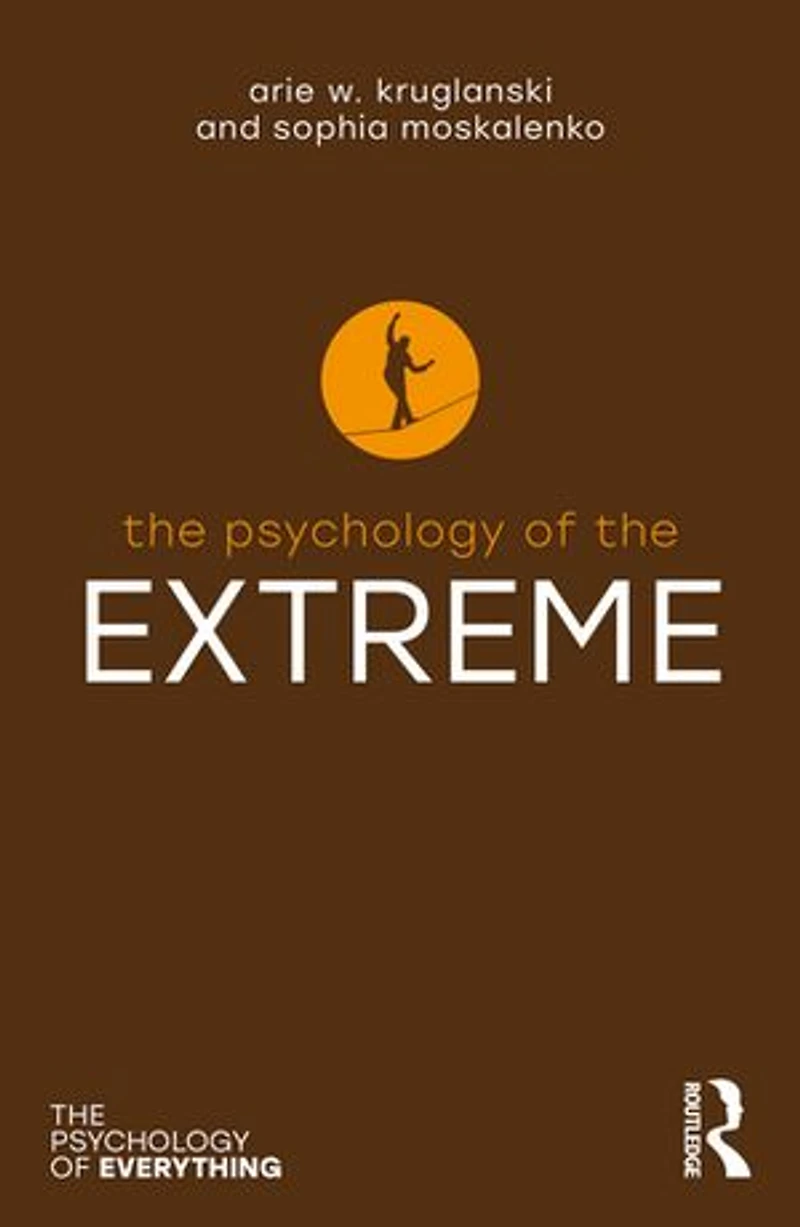
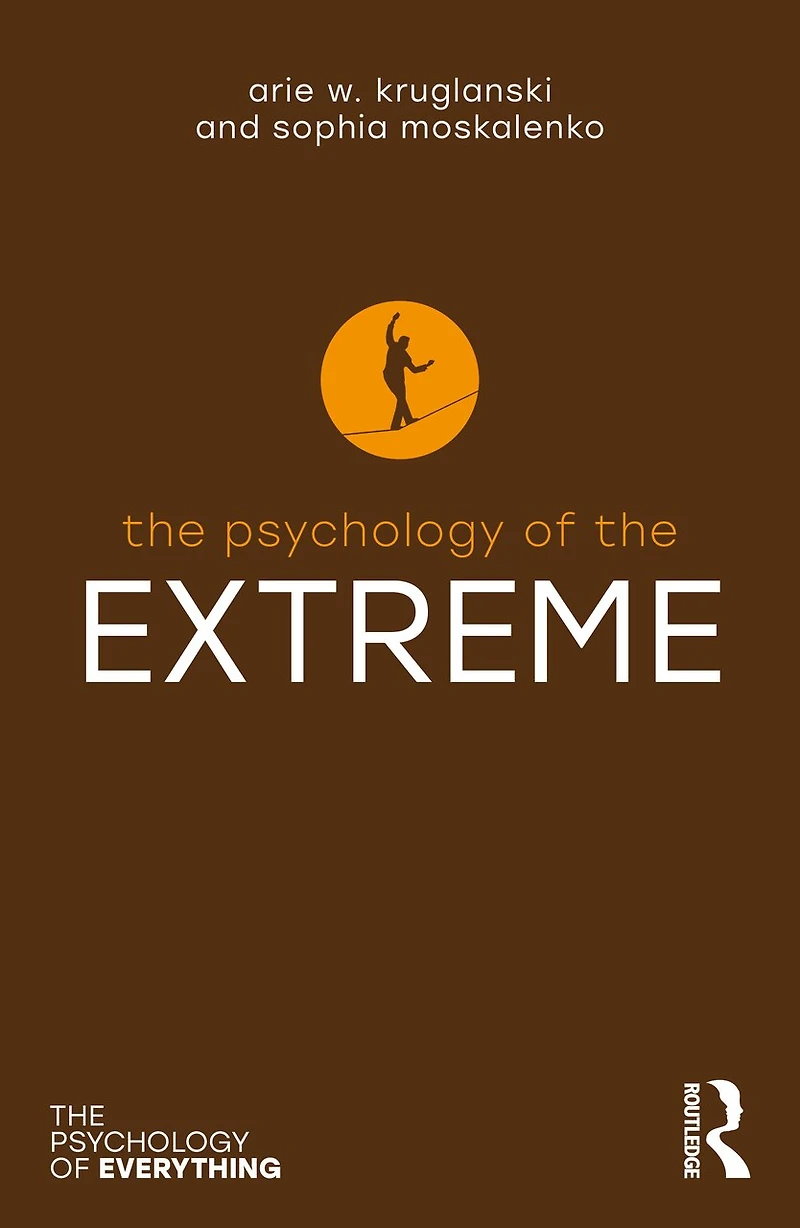
What does extremism mean? How does it show up in our daily lives? What drives people to extreme behaviors, and how can we learn to live and thrive in the age of overdrive? The Psychology of the Extreme provides an accessible introduction to extremism as a force that can affect all aspects of culture and people's choices in everyday settings. It explores the underlying psychology behind what makes people act in extreme ways, whether this is in destructive ways (such as gambling, terrorism and political violence) or in constructive ways (such as successful creators and scientists). The book features an array of case studies that show how extremism can be both pro-social and anti-social and includes interventions to reduce extremism or redirect them toward more positive and constructive tendencies. Offering a new understanding of the individual psychology of extremism, the book will appeal to all those interested in how extremism plays out in people's and cultures' day-to-day lives.
What does extremism mean? How does it show up in our daily lives? What drives people to extreme behaviors, and how can we learn to live and thrive in the age of overdrive? The Psychology of the Extreme provides an accessible introduction to extremism as a force that can affect all aspects of culture and people's choices in everyday settings. It explores the underlying psychology behind what makes people act in extreme ways, whether this is in destructive ways (such as gambling, terrorism and political violence) or in constructive ways (such as successful creators and scientists). The book features an array of case studies that show how extremism can be both pro-social and anti-social and includes interventions to reduce extremism or redirect them toward more positive and constructive tendencies. Offering a new understanding of the individual psychology of extremism, the book will appeal to all those interested in how extremism plays out in people's and cultures' day-to-day lives.
You May Also Like















More About Coles at Pine Centre
Shop Coles for bestselling books, toys, stationary, and so much more!
3079 Massey Dr, Prince George, BC V2N 1R4, Canada
Find Coles at Pine Centre in Prince George, BC
Visit Coles at Pine Centre in Prince George, BC
