

Gifting Made Simple
Give the Gift of ChoiceClick below to purchase a Pine Centre eGift Card that can be used at participating retailers at Pine Centre.Purchase HereHome
The Politics of Safety: Black Struggle for Police Accountability La Guardia's New York
Coles
Loading Inventory...
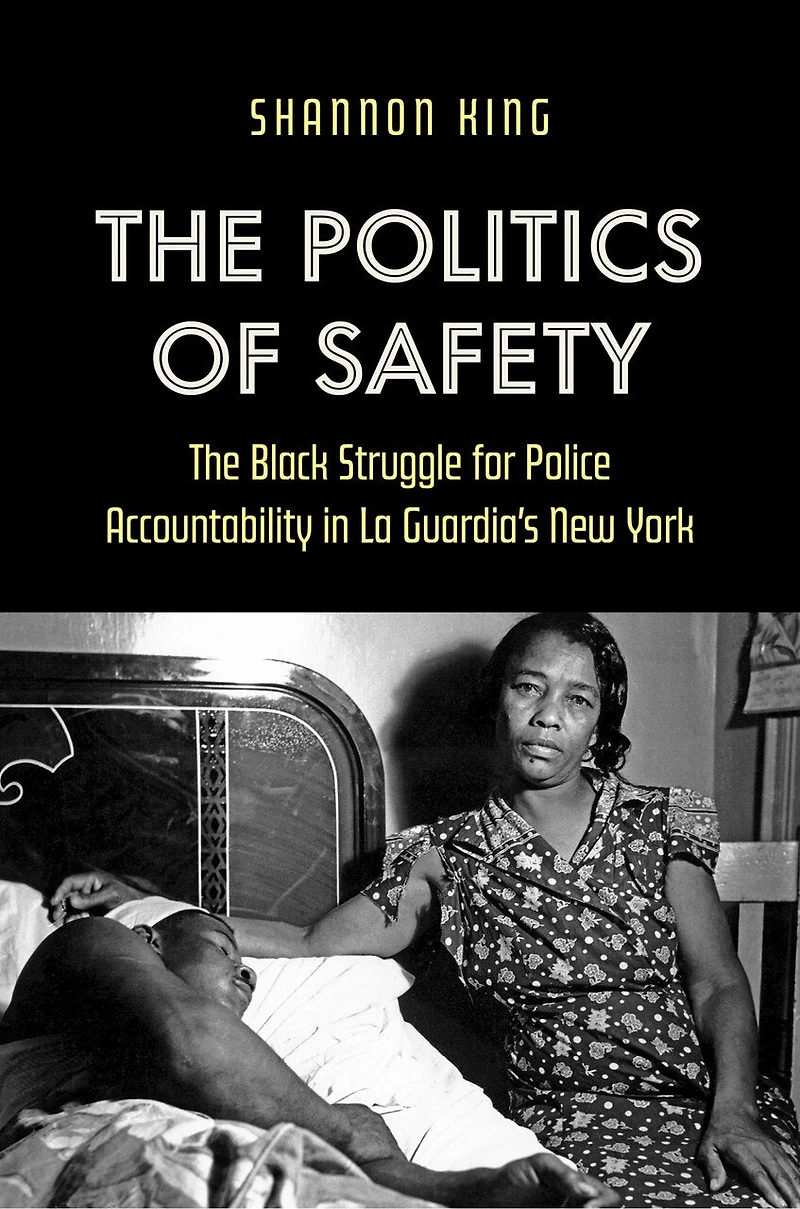
The Politics of Safety: Black Struggle for Police Accountability La Guardia's New York
By None
Current price: $133.95
Coles
The Politics of Safety: Black Struggle for Police Accountability La Guardia's New York
By None
Current price: $133.95
Loading Inventory...
Size: Hardcover
*Product information and pricing may vary - to confirm current pricing, availability, shipping, and return information please contact Coles. In the event of a pricing discrepancy, the retailer's price will apply.
For much of the twentieth and twenty-first centuries, public officials in cities like New York, Chicago, and Baltimore have criminalized uprisings as portending Black “thugs” throwing rocks at police and plundering private property to undermine complaints of police violence. Liberal mayors like Fiorello H. La Guardia have often been the deftest practitioners of this strategy. As the Depression and wartime conditions spurred youth crime, white New Yorkers' anxieties—about crime, the movement of Black people into white neighborhoods, and headlines featuring Black “hoodlums” emblazoned all over the white media—drove their support for the expansion of police patrols in the city, especially in Harlem and Bedford-Stuyvesant. Though Blacks also called for police protection and for La Guardia to provide equitable municipal resources, they primarily received more punishment. This set the stage for the Harlem uprising of 1943.Shannon King uncovers how Black activism for safety was a struggle against police brutality and crime, highlighting how the police withholding protection operated as a form of police violence and an abridgement of their civil rights. By decentering familiar narratives of riots, King places Black activism against harm at the center of the Black freedom struggle, revealing how Black neighborhoods became occupied territories in La Guardia’s New York.
For much of the twentieth and twenty-first centuries, public officials in cities like New York, Chicago, and Baltimore have criminalized uprisings as portending Black “thugs” throwing rocks at police and plundering private property to undermine complaints of police violence. Liberal mayors like Fiorello H. La Guardia have often been the deftest practitioners of this strategy. As the Depression and wartime conditions spurred youth crime, white New Yorkers' anxieties—about crime, the movement of Black people into white neighborhoods, and headlines featuring Black “hoodlums” emblazoned all over the white media—drove their support for the expansion of police patrols in the city, especially in Harlem and Bedford-Stuyvesant. Though Blacks also called for police protection and for La Guardia to provide equitable municipal resources, they primarily received more punishment. This set the stage for the Harlem uprising of 1943.Shannon King uncovers how Black activism for safety was a struggle against police brutality and crime, highlighting how the police withholding protection operated as a form of police violence and an abridgement of their civil rights. By decentering familiar narratives of riots, King places Black activism against harm at the center of the Black freedom struggle, revealing how Black neighborhoods became occupied territories in La Guardia’s New York.
You May Also Like



![A Letter From Phocion to the Considerate Citizens of New-York on the Politics of the Day [microform]](https://cdn.mall.adeptmind.ai/https%253A%252F%252Fcdn.shopify.com%252Fs%252Ffiles%252F1%252F0655%252F8980%252F5233%252Ffiles%252F1_b71e6fca-8aef-40af-ad49-f796931daf76.jpg_medium.webp)













More About Coles at Pine Centre
Shop Coles for bestselling books, toys, stationary, and so much more!
3079 Massey Dr, Prince George, BC V2N 1R4, Canada
Find Coles at Pine Centre in Prince George, BC
Visit Coles at Pine Centre in Prince George, BC
