

Gifting Made Simple
Give the Gift of ChoiceClick below to purchase a Pine Centre eGift Card that can be used at participating retailers at Pine Centre.Purchase HereHome
the Politics, Memory, and Commemoration of Postwar Camps for Germans Poland (1945-1949): Breaking Conspiracy Silence
Coles
Loading Inventory...
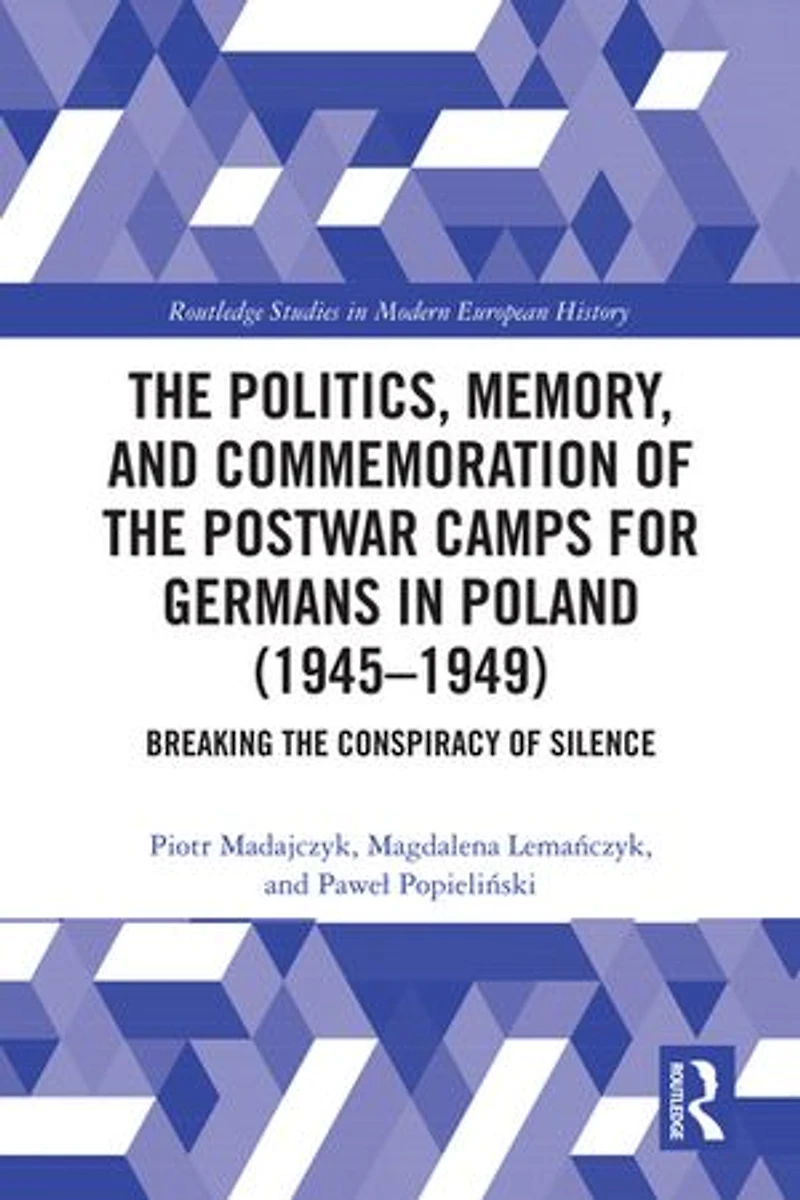
the Politics, Memory, and Commemoration of Postwar Camps for Germans Poland (1945-1949): Breaking Conspiracy Silence
By None
Current price: $296.50
Coles
the Politics, Memory, and Commemoration of Postwar Camps for Germans Poland (1945-1949): Breaking Conspiracy Silence
By None
Current price: $296.50
Loading Inventory...
Size: Hardcover
*Product information and pricing may vary - to confirm current pricing, availability, shipping, and return information please contact Coles. In the event of a pricing discrepancy, the retailer's price will apply.
This book offers the first systematic comparative analysis of memory politics concerning post-war camps in Poland for the German population (and those classified as German). It examines how this difficult past has been framed, instrumentalised, and negotiated in Poland and Germany across changing political systems and historical contexts. Drawing on archival sources, interviews, institutional analysis, and discourse studies, the book traces how the memory of the camps functioned within communist Poland, how it was addressed and reinterpreted in West and East Germany, and how it influenced Polish-German relations. It argues that in neither country did this memory occupy a central place in official post-war memory politics. In communist Poland, the issue was largely silenced or selectively instrumentalised, while in West Germany it remained primarily confined to expellee organisations until around 1989. After the systemic transformation, the topic did not enter the national mainstream of memory debates. Instead, in Poland, it acquired a distinct regional resonance, retaining mobilising potential within local politics and memory cultures. By tracing interactions between state institutions, non-governmental organisations, and public debates, the book shows how intergenerational memory became a site of political negotiation and symbolic competition. The volume will appeal to historians, sociologists, political scientists, and scholars of memory and heritage studies. It will also interest readers concerned with Polish-German relations and communities directly affected by this history. Combining empirical depth with analytical precision, the book contributes to debates on difficult heritage and the politics of memory in contemporary Europe.
This book offers the first systematic comparative analysis of memory politics concerning post-war camps in Poland for the German population (and those classified as German). It examines how this difficult past has been framed, instrumentalised, and negotiated in Poland and Germany across changing political systems and historical contexts. Drawing on archival sources, interviews, institutional analysis, and discourse studies, the book traces how the memory of the camps functioned within communist Poland, how it was addressed and reinterpreted in West and East Germany, and how it influenced Polish-German relations. It argues that in neither country did this memory occupy a central place in official post-war memory politics. In communist Poland, the issue was largely silenced or selectively instrumentalised, while in West Germany it remained primarily confined to expellee organisations until around 1989. After the systemic transformation, the topic did not enter the national mainstream of memory debates. Instead, in Poland, it acquired a distinct regional resonance, retaining mobilising potential within local politics and memory cultures. By tracing interactions between state institutions, non-governmental organisations, and public debates, the book shows how intergenerational memory became a site of political negotiation and symbolic competition. The volume will appeal to historians, sociologists, political scientists, and scholars of memory and heritage studies. It will also interest readers concerned with Polish-German relations and communities directly affected by this history. Combining empirical depth with analytical precision, the book contributes to debates on difficult heritage and the politics of memory in contemporary Europe.
You May Also Like









More About Coles at Pine Centre
Shop Coles for bestselling books, toys, stationary, and so much more!
3079 Massey Dr, Prince George, BC V2N 1R4, Canada
Find Coles at Pine Centre in Prince George, BC
Visit Coles at Pine Centre in Prince George, BC
