

Gifting Made Simple
Give the Gift of ChoiceClick below to purchase a Pine Centre eGift Card that can be used at participating retailers at Pine Centre.Purchase HereHome
the Persistence of Masks: Surrealism and Ethnography Subject
Coles
Loading Inventory...
the Persistence of Masks: Surrealism and Ethnography Subject
By None
Current price: $167.99
Coles
the Persistence of Masks: Surrealism and Ethnography Subject
By None
Current price: $167.99
Loading Inventory...
Size: Hardcover
*Product information and pricing may vary - to confirm current pricing, availability, shipping, and return information please contact Coles. In the event of a pricing discrepancy, the retailer's price will apply.
An examination of surrealism's unofficial ethnography of marginalized subjectivities
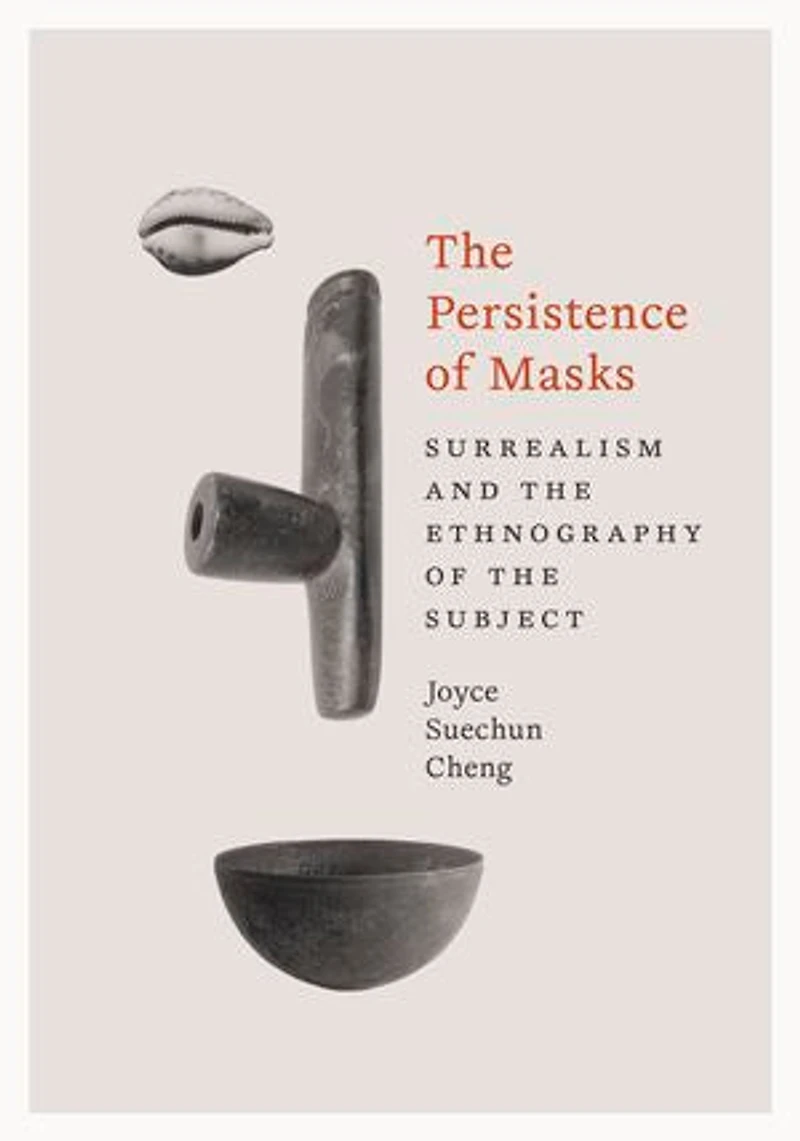
In interwar Paris, the encounter between surrealism and the nascent discipline of ethnology led to an intellectual project now known as "ethnographic surrealism." In The Persistence of Masks, Joyce Suechun Cheng considers the ethnographic dimension of the surrealist movement in its formative years through a close look at the reviews Documents (1929-30) and Minotaure (1933-39) as well as the surrealist writer-turned-ethnographer Michel Leiris's ethnography of possession. Analyzing surrealist aesthetic criticism, art, poetry, and field research in terms of a common interest in marginalized modes of subjectivity, Cheng argues that the surrealists used the figures of the mask, the veil, the hand, and the hat to radically reconceive the subject as nonhegemonic, nonanthropocentric, and feminine-identified. Though ethnographic surrealism usually refers to the collaboration between professional ethnologists at the Institut de l'Ethnologie in Paris and Georges Bataille's so-called dissident circle of surrealists, Cheng demonstrates that surrealism's unofficial ethnography began long before the founding of the movement. Starting with Andr Breton's wartime text "Subject" (1916), written when he was still a young psychiatric intern treating traumatized soldiers, she shows how the future surrealist poet shifted from a clinical to a para-ethnographic approach to subjectivity when adopting his patient's first-person voice as a textual mask. Revealing surrealism to be always implicitly ethnographic, Cheng uncovers deep affinities between archrivals Breton and Bataille, highlights psychiatry's underacknowledged role in surrealism's lay ethnography, and theorizes the surrealists' feminine identification as a means of critiquing power. By broadening the scope of ethnographic surrealism, The Persistence of Masks offers new insights that challenge longstanding beliefs about this multifaceted movement in poetry, the arts, and culture.
An examination of surrealism's unofficial ethnography of marginalized subjectivities
In interwar Paris, the encounter between surrealism and the nascent discipline of ethnology led to an intellectual project now known as "ethnographic surrealism." In The Persistence of Masks, Joyce Suechun Cheng considers the ethnographic dimension of the surrealist movement in its formative years through a close look at the reviews Documents (1929-30) and Minotaure (1933-39) as well as the surrealist writer-turned-ethnographer Michel Leiris's ethnography of possession. Analyzing surrealist aesthetic criticism, art, poetry, and field research in terms of a common interest in marginalized modes of subjectivity, Cheng argues that the surrealists used the figures of the mask, the veil, the hand, and the hat to radically reconceive the subject as nonhegemonic, nonanthropocentric, and feminine-identified. Though ethnographic surrealism usually refers to the collaboration between professional ethnologists at the Institut de l'Ethnologie in Paris and Georges Bataille's so-called dissident circle of surrealists, Cheng demonstrates that surrealism's unofficial ethnography began long before the founding of the movement. Starting with Andr Breton's wartime text "Subject" (1916), written when he was still a young psychiatric intern treating traumatized soldiers, she shows how the future surrealist poet shifted from a clinical to a para-ethnographic approach to subjectivity when adopting his patient's first-person voice as a textual mask. Revealing surrealism to be always implicitly ethnographic, Cheng uncovers deep affinities between archrivals Breton and Bataille, highlights psychiatry's underacknowledged role in surrealism's lay ethnography, and theorizes the surrealists' feminine identification as a means of critiquing power. By broadening the scope of ethnographic surrealism, The Persistence of Masks offers new insights that challenge longstanding beliefs about this multifaceted movement in poetry, the arts, and culture.








More About Coles at Pine Centre
Shop Coles for bestselling books, toys, stationary, and so much more!
3079 Massey Dr, Prince George, BC V2N 1R4, Canada
Find Coles at Pine Centre in Prince George, BC
Visit Coles at Pine Centre in Prince George, BC
