

Gifting Made Simple
Give the Gift of ChoiceClick below to purchase a Pine Centre eGift Card that can be used at participating retailers at Pine Centre.Purchase HereHome
The Making of Christian Moravia (858-882): Papal Power and Political Reality
Coles
Loading Inventory...
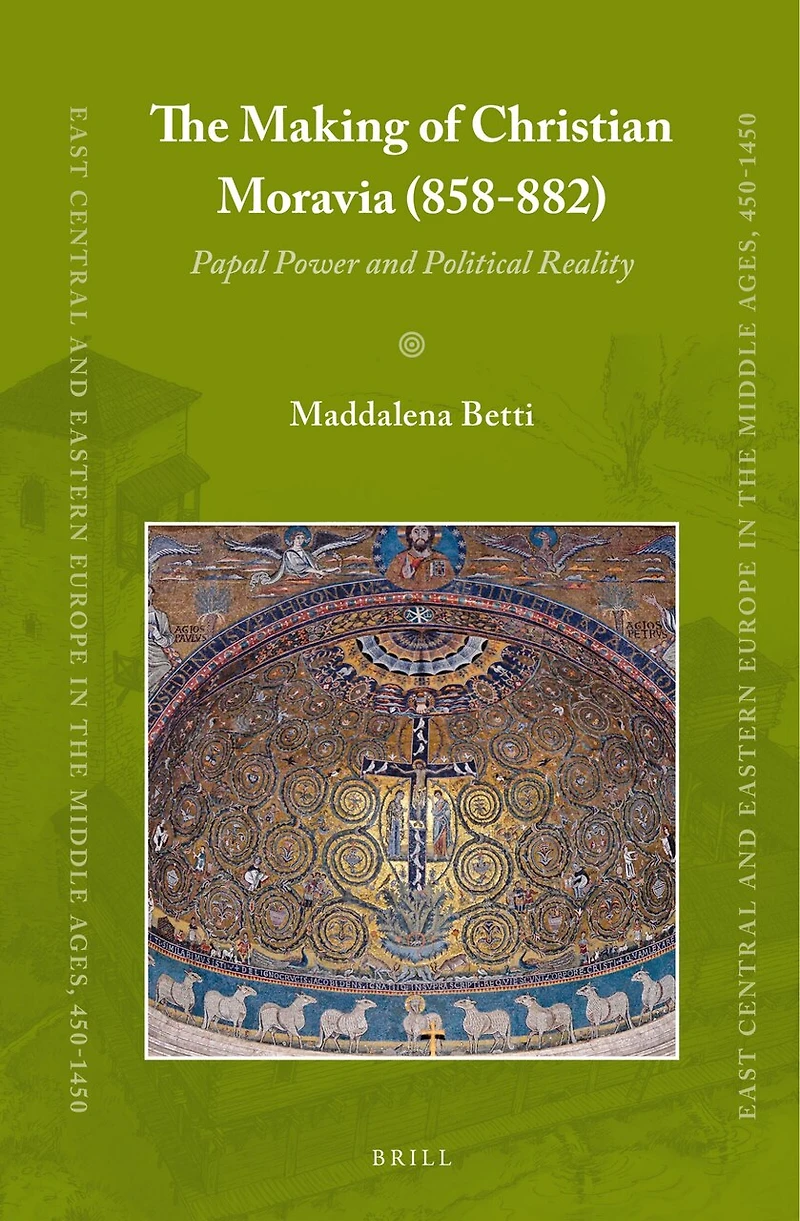
The Making of Christian Moravia (858-882): Papal Power and Political Reality
By None
Current price: $212.99
Coles
The Making of Christian Moravia (858-882): Papal Power and Political Reality
By None
Current price: $212.99
Loading Inventory...
Size: Hardcover
*Product information and pricing may vary - to confirm current pricing, availability, shipping, and return information please contact Coles. In the event of a pricing discrepancy, the retailer's price will apply.
In The Making of Christian Moravia Maddalena Betti examines the creation of the Moravian archdiocese, of which St Methodius was the first incumbent, in the context of ninth-century papal policy in central and south-eastern Europe. In the nineteenth and twentieth century religious and nationalistic concerns widely influenced the reconstruction of the history of the archdiocese of Methodius. Offering a new reading of already widely-used sources, both Slavonic and Latin, Maddalena Betti turns attention upon the jurisdictional conflict between Rome, the Bavarian churches and Byzantium, in order to uncover the strategies and the languages adopted by the Apostolic See to gain jurisdiction over the new territories in central and south-eastern Europe.
In The Making of Christian Moravia Maddalena Betti examines the creation of the Moravian archdiocese, of which St Methodius was the first incumbent, in the context of ninth-century papal policy in central and south-eastern Europe. In the nineteenth and twentieth century religious and nationalistic concerns widely influenced the reconstruction of the history of the archdiocese of Methodius. Offering a new reading of already widely-used sources, both Slavonic and Latin, Maddalena Betti turns attention upon the jurisdictional conflict between Rome, the Bavarian churches and Byzantium, in order to uncover the strategies and the languages adopted by the Apostolic See to gain jurisdiction over the new territories in central and south-eastern Europe.
You May Also Like











More About Coles at Pine Centre
Shop Coles for bestselling books, toys, stationary, and so much more!
3079 Massey Dr, Prince George, BC V2N 1R4, Canada
Find Coles at Pine Centre in Prince George, BC
Visit Coles at Pine Centre in Prince George, BC
