

Gifting Made Simple
Give the Gift of ChoiceClick below to purchase a Pine Centre eGift Card that can be used at participating retailers at Pine Centre.Purchase HereHome
The Little Art Colony and US Modernism: Carmel, Provincetown, Taos
Coles
Loading Inventory...
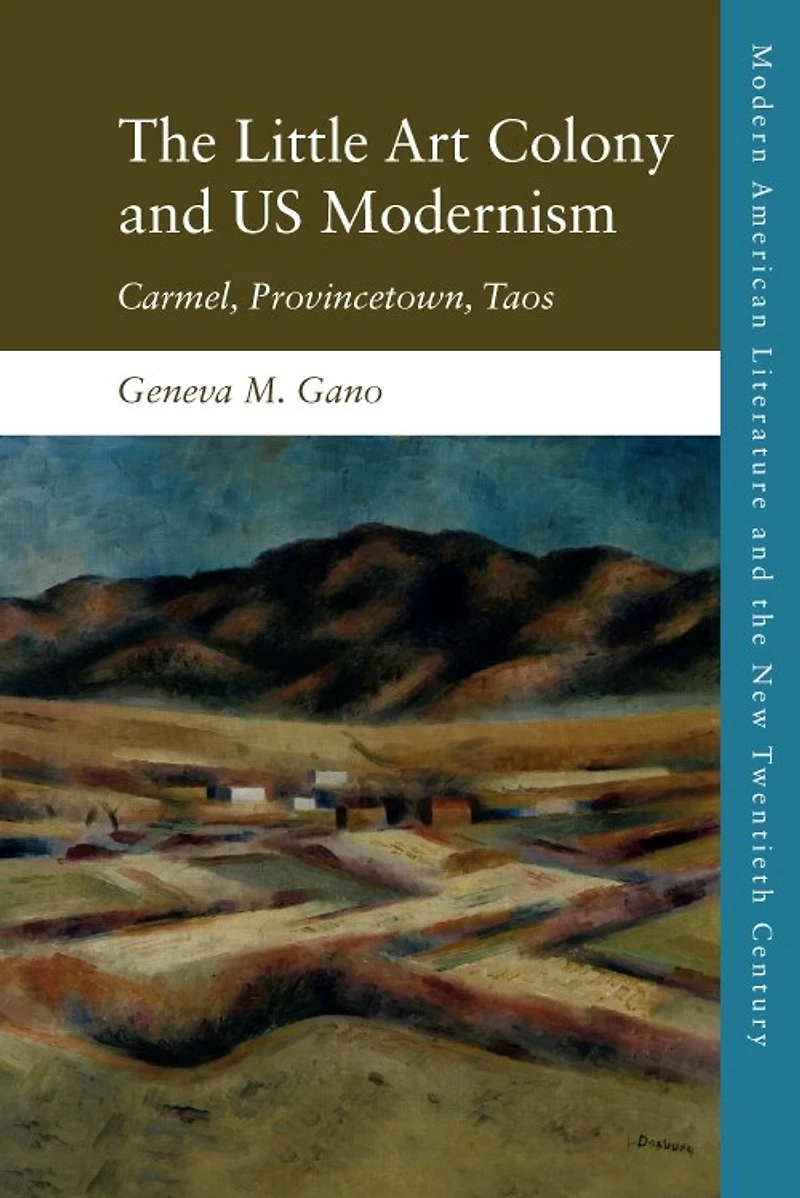
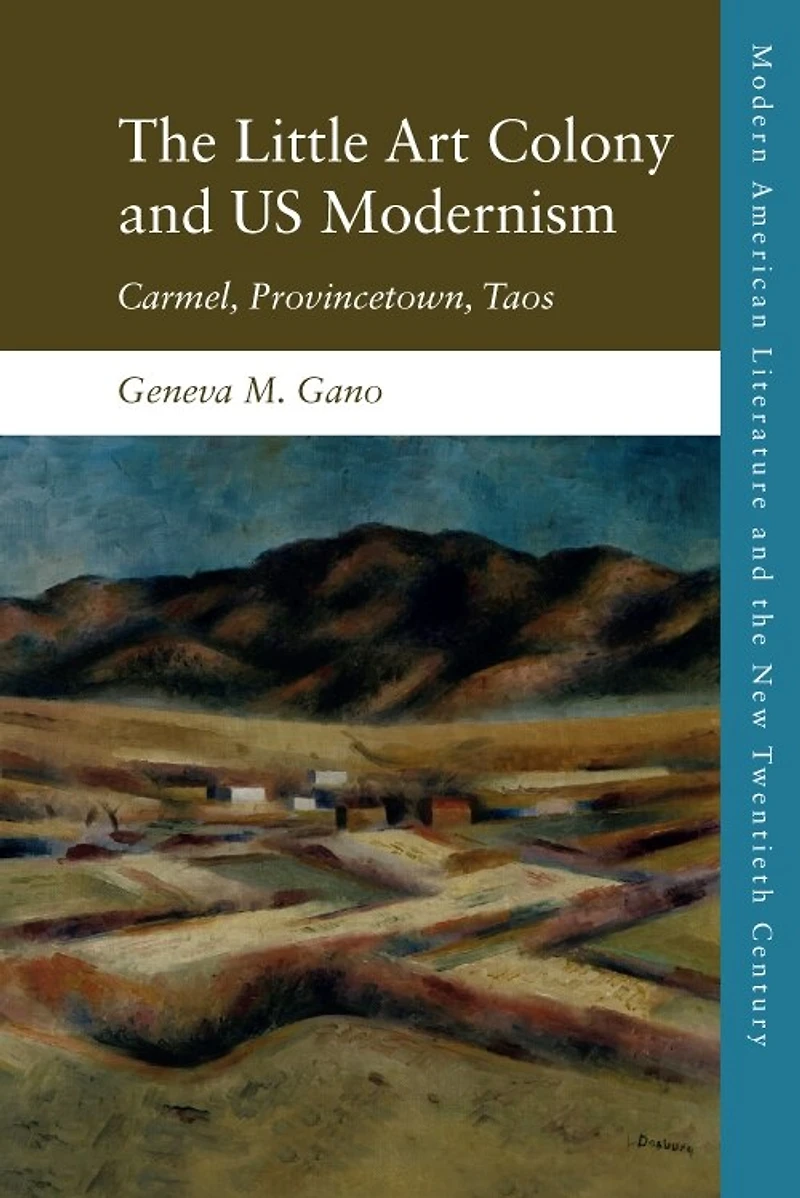
The Little Art Colony and US Modernism: Carmel, Provincetown, Taos
By None
Current price: $155.99
Coles
The Little Art Colony and US Modernism: Carmel, Provincetown, Taos
By None
Current price: $155.99
Loading Inventory...
Size: Hardcover
*Product information and pricing may vary - to confirm current pricing, availability, shipping, and return information please contact Coles. In the event of a pricing discrepancy, the retailer's price will apply.
Explores the little art communities and their aesthetic products in the early twentieth century
Historicizes and theorizes the role and function of the little art community as a geo-social formation
Comparative, place-based study of three semiperipheral (non-metropolitan) sites
New readings of major authors Jeffers, O’Neill, and Lawrence
Interdisciplinary methodology based in primary source analysis
Challenges a center-periphery model of modernist activity and literary-aesthetic production and instead emphasizes a network-based, collaborative model
This book is first to historicise and theorise the significance of the early twentieth-century little art colony as a uniquely modern social formation within a global network of modernist activity and production. Alongside a historical overview of the emergence of three critical sites of modernist activity – the little art colonies of Carmel, Provincetown and Taos – the book offers new critical readings of major authors associated with those places: Robinson Jeffers, Eugene O’Neill and D. H. Lawrence. Geneva M. Gano tracks the radical thought and aesthetic innovation that emerged from these villages, revealing a surprisingly dynamic circulation of persons, objects and ideas between the country and the city and producing modernisms that were cosmopolitan in character yet also site-specific.
Explores the little art communities and their aesthetic products in the early twentieth century
Historicizes and theorizes the role and function of the little art community as a geo-social formation
Comparative, place-based study of three semiperipheral (non-metropolitan) sites
New readings of major authors Jeffers, O’Neill, and Lawrence
Interdisciplinary methodology based in primary source analysis
Challenges a center-periphery model of modernist activity and literary-aesthetic production and instead emphasizes a network-based, collaborative model
This book is first to historicise and theorise the significance of the early twentieth-century little art colony as a uniquely modern social formation within a global network of modernist activity and production. Alongside a historical overview of the emergence of three critical sites of modernist activity – the little art colonies of Carmel, Provincetown and Taos – the book offers new critical readings of major authors associated with those places: Robinson Jeffers, Eugene O’Neill and D. H. Lawrence. Geneva M. Gano tracks the radical thought and aesthetic innovation that emerged from these villages, revealing a surprisingly dynamic circulation of persons, objects and ideas between the country and the city and producing modernisms that were cosmopolitan in character yet also site-specific.
You May Also Like












More About Coles at Pine Centre
Shop Coles for bestselling books, toys, stationary, and so much more!
3079 Massey Dr, Prince George, BC V2N 1R4, Canada
Find Coles at Pine Centre in Prince George, BC
Visit Coles at Pine Centre in Prince George, BC
