

Gifting Made Simple
Give the Gift of ChoiceClick below to purchase a Pine Centre eGift Card that can be used at participating retailers at Pine Centre.Purchase HereHome
The Japan-US Trade Friction Dilemma: Role of Perception
Coles
Loading Inventory...
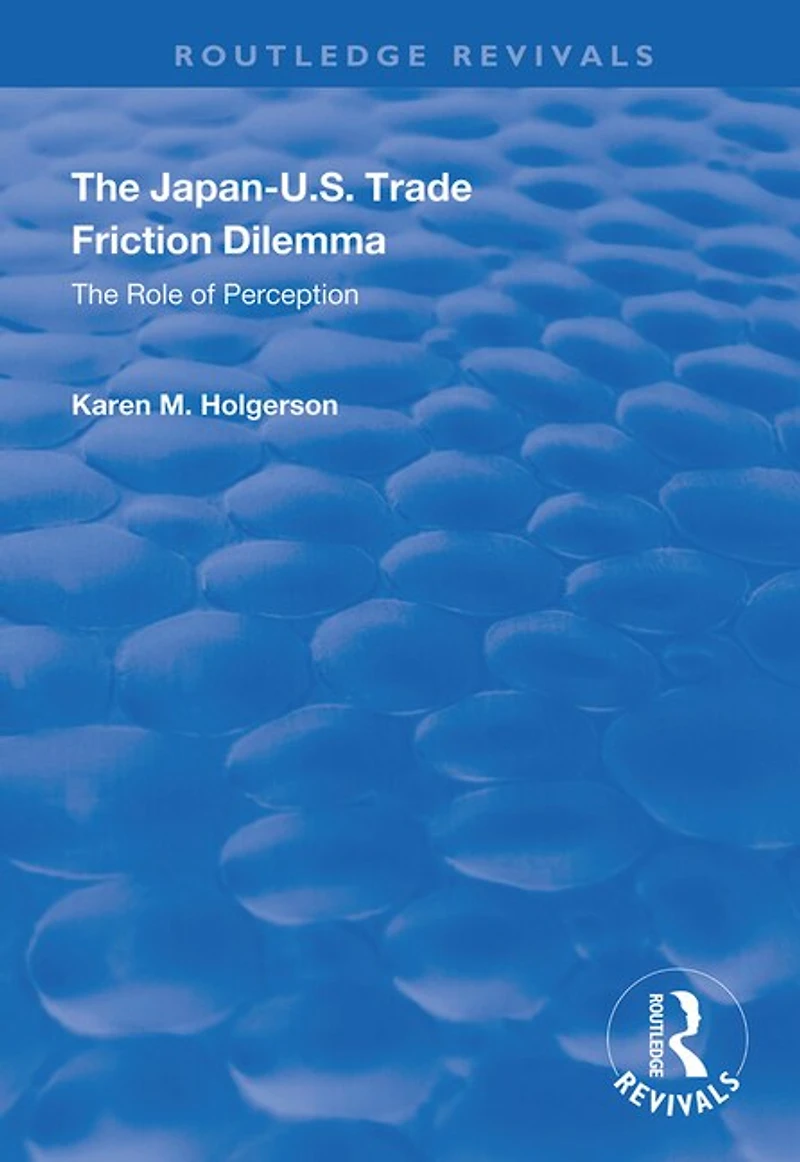
The Japan-US Trade Friction Dilemma: Role of Perception
By None
Current price: $171.95
Coles
The Japan-US Trade Friction Dilemma: Role of Perception
By None
Current price: $171.95
Loading Inventory...
Size: Hardcover
*Product information and pricing may vary - to confirm current pricing, availability, shipping, and return information please contact Coles. In the event of a pricing discrepancy, the retailer's price will apply.
First published in 1998, this study of Japan-U.S. trade friction and the role perceptual differences have played in its evolution differs from its predecessors in key ways. First, it is interdisciplinary, drawing on the research of anthropologists, area specialists, intercultural communication specialists, linguists, sociologists, and social psychologists as well as that of political scientists and economists. Second, it both identifies and quantifies perceptual differences between Japanese and American opinion leaders regarding the large bilateral trade imbalances, the bilateral relationship, and national negotiating styles. Third, original data were collected from completed questionnaires sent to 230 American and 230 Japanese opinion leaders from business, government, academia, and the media, who had been involved in some way with the rice, automotive, or semiconductor sectors. Fourth, the three case studies of trade friction are representative of three differing mixes of trade friction are representative of three differing mixes of trade friction causal factors and perceptual dynamics. Finally, based on the findings of this study, modest suggestions are offered on how the bilateral perceptual gap might be narrowed and trade friction diminished so that the structural and sectoral problems might more effectively be addressed. This book should be of interest to scholars, government officials, and business leaders in Japan, the United States, and other countries in the global community who are interested in bilateral relations, international economic and political affairs, and trade friction. It should also be of special interest to social psychologists and cross-cultural scholars and researchers.
First published in 1998, this study of Japan-U.S. trade friction and the role perceptual differences have played in its evolution differs from its predecessors in key ways. First, it is interdisciplinary, drawing on the research of anthropologists, area specialists, intercultural communication specialists, linguists, sociologists, and social psychologists as well as that of political scientists and economists. Second, it both identifies and quantifies perceptual differences between Japanese and American opinion leaders regarding the large bilateral trade imbalances, the bilateral relationship, and national negotiating styles. Third, original data were collected from completed questionnaires sent to 230 American and 230 Japanese opinion leaders from business, government, academia, and the media, who had been involved in some way with the rice, automotive, or semiconductor sectors. Fourth, the three case studies of trade friction are representative of three differing mixes of trade friction are representative of three differing mixes of trade friction causal factors and perceptual dynamics. Finally, based on the findings of this study, modest suggestions are offered on how the bilateral perceptual gap might be narrowed and trade friction diminished so that the structural and sectoral problems might more effectively be addressed. This book should be of interest to scholars, government officials, and business leaders in Japan, the United States, and other countries in the global community who are interested in bilateral relations, international economic and political affairs, and trade friction. It should also be of special interest to social psychologists and cross-cultural scholars and researchers.
You May Also Like














More About Coles at Pine Centre
Shop Coles for bestselling books, toys, stationary, and so much more!
3079 Massey Dr, Prince George, BC V2N 1R4, Canada
Find Coles at Pine Centre in Prince George, BC
Visit Coles at Pine Centre in Prince George, BC
