

Gifting Made Simple
Give the Gift of ChoiceClick below to purchase a Pine Centre eGift Card that can be used at participating retailers at Pine Centre.Purchase HereHome
The Invisible Hand of the Market: The Theory of Moral Sentiments + The Wealth of Nations (2 Pioneering Studies of Capitalism)
Coles
Loading Inventory...
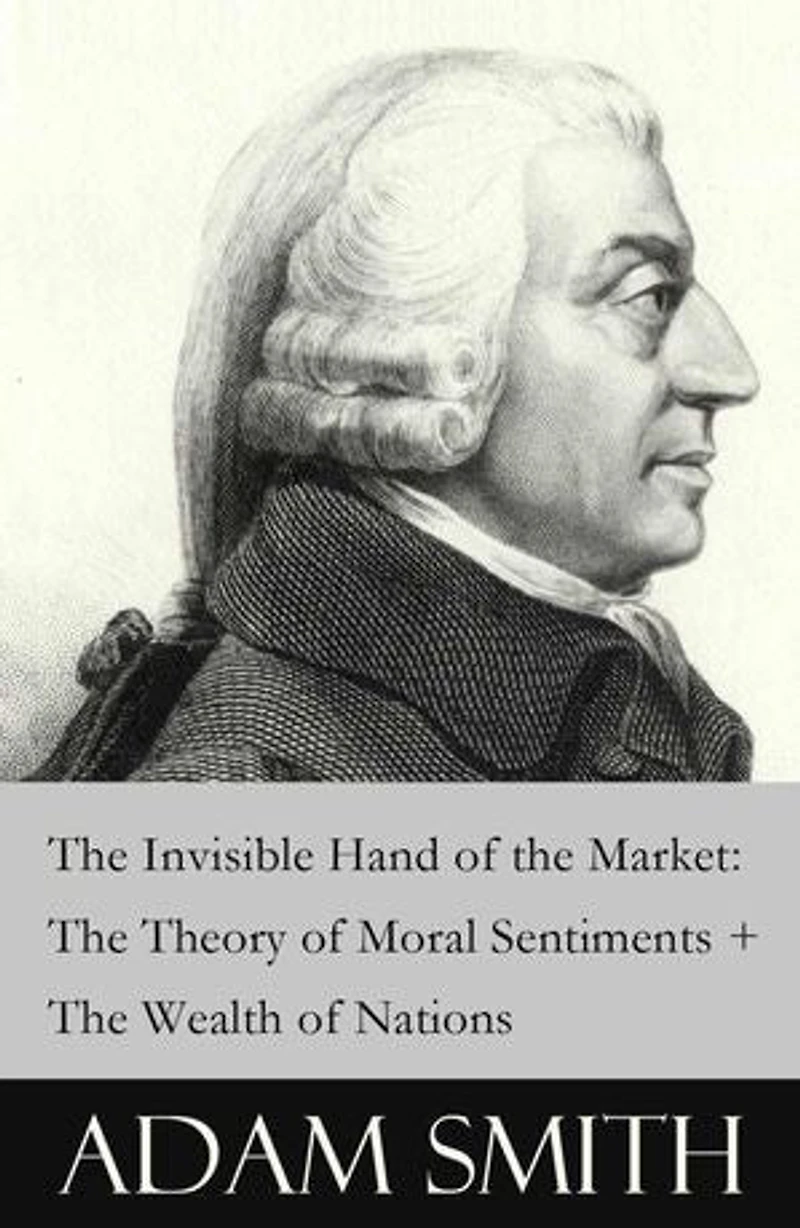
The Invisible Hand of the Market: The Theory of Moral Sentiments + The Wealth of Nations (2 Pioneering Studies of Capitalism)
By None
Current price: $2.99
Coles
The Invisible Hand of the Market: The Theory of Moral Sentiments + The Wealth of Nations (2 Pioneering Studies of Capitalism)
By None
Current price: $2.99
Loading Inventory...
Size: Kobo eBook
*Product information and pricing may vary - to confirm current pricing, availability, shipping, and return information please contact Coles. In the event of a pricing discrepancy, the retailer's price will apply.
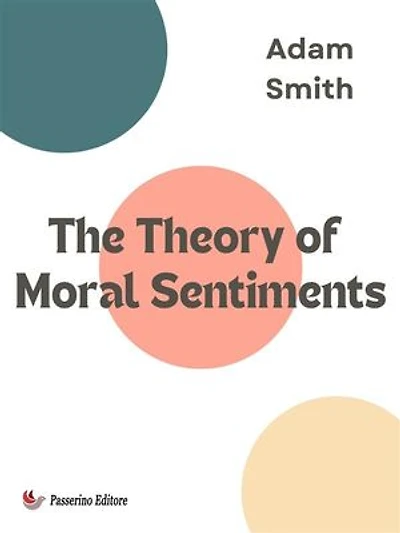
This carefully crafted ebook: "The Invisible Hand of the Market: The Theory of Moral Sentiments + The Wealth of Nations (2 Pioneering Studies of Capitalism)" is formatted for your eReader with a functional and detailed table of contents. The invisible hand of the market is a metaphor conceived by Adam Smith to describe the self-regulating behavior of the marketplace. The exact phrase is used just three times in Smith's writings, but has come to capture his important claim that individuals' efforts to maximize their own gains in a free market benefits society, even if the ambitious have no benevolent intentions. Smith came up with the two meanings of the phrase from Richard Cantillon who developed both economic applications in his model of the isolated estate. He first introduced the concept in The Theory of Moral Sentiments, written in 1759. In this work, however, the idea of the market is not discussed, and the word "capitalism" is never used. By the time he wrote The Wealth of Nations in 1776, Smith had studied the economic models of the French Physiocrats for many years, and in this work the invisible hand is more directly linked to the concept of the market: specifically that it is competition between buyers and sellers that channels the profit motive of individuals on both sides of the transaction such that improved products are produced and at lower costs.
This carefully crafted ebook: "The Invisible Hand of the Market: The Theory of Moral Sentiments + The Wealth of Nations (2 Pioneering Studies of Capitalism)" is formatted for your eReader with a functional and detailed table of contents. The invisible hand of the market is a metaphor conceived by Adam Smith to describe the self-regulating behavior of the marketplace. The exact phrase is used just three times in Smith's writings, but has come to capture his important claim that individuals' efforts to maximize their own gains in a free market benefits society, even if the ambitious have no benevolent intentions. Smith came up with the two meanings of the phrase from Richard Cantillon who developed both economic applications in his model of the isolated estate. He first introduced the concept in The Theory of Moral Sentiments, written in 1759. In this work, however, the idea of the market is not discussed, and the word "capitalism" is never used. By the time he wrote The Wealth of Nations in 1776, Smith had studied the economic models of the French Physiocrats for many years, and in this work the invisible hand is more directly linked to the concept of the market: specifically that it is competition between buyers and sellers that channels the profit motive of individuals on both sides of the transaction such that improved products are produced and at lower costs.
You May Also Like













More About Coles at Pine Centre
Shop Coles for bestselling books, toys, stationary, and so much more!
3079 Massey Dr, Prince George, BC V2N 1R4, Canada
Find Coles at Pine Centre in Prince George, BC
Visit Coles at Pine Centre in Prince George, BC
