

Gifting Made Simple
Give the Gift of ChoiceClick below to purchase a Pine Centre eGift Card that can be used at participating retailers at Pine Centre.Purchase HereHome
The Invisible Hand?: How Market Economies have Emerged and Declined Since AD 500
Coles
Loading Inventory...

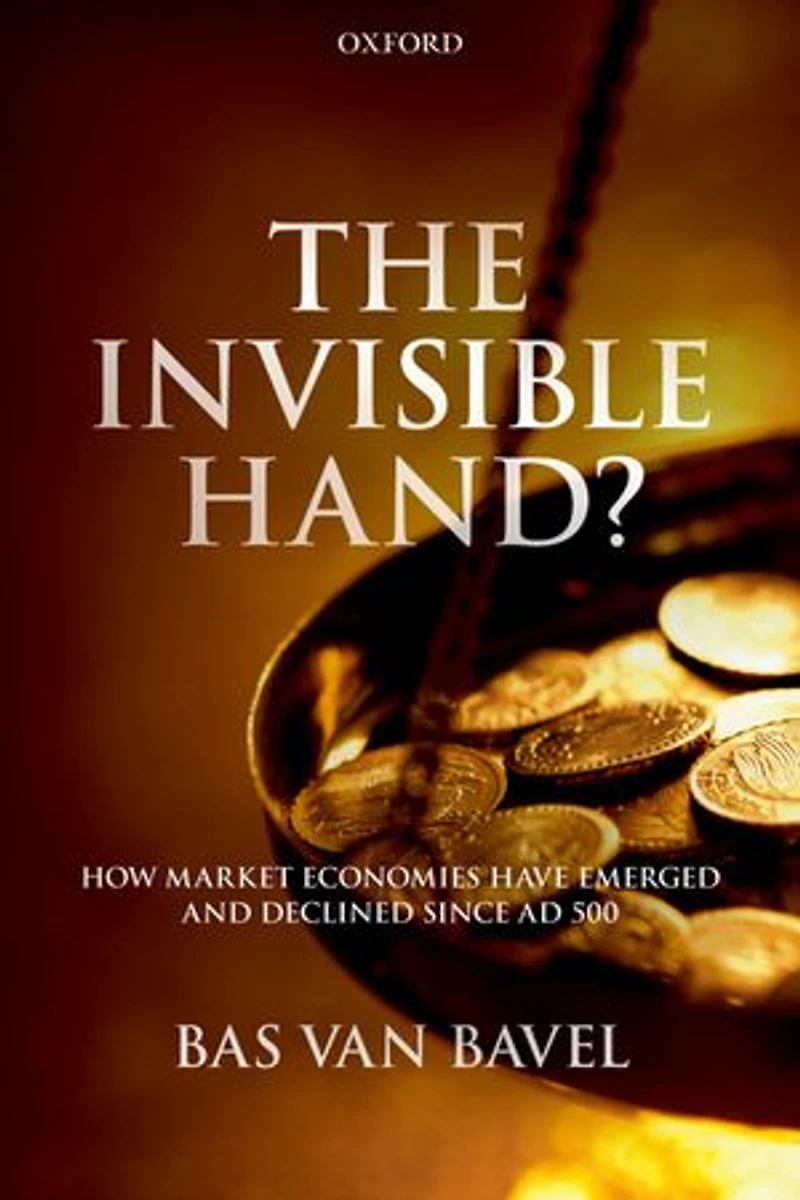
The Invisible Hand?: How Market Economies have Emerged and Declined Since AD 500
By None
Current price: $73.50
Coles
The Invisible Hand?: How Market Economies have Emerged and Declined Since AD 500
By None
Current price: $73.50
Loading Inventory...
Size: Hardcover
*Product information and pricing may vary - to confirm current pricing, availability, shipping, and return information please contact Coles. In the event of a pricing discrepancy, the retailer's price will apply.
The Invisible Hand? offers a radical departure from the conventional wisdom of economists and economic historians, by showing that "factor markets" and the economies dominated by them - the market economies - are not modern, but have existed at various times in the past. They rise, stagnate, and decline; and consist of very different combinations of institutions embedded in very different societies. These market economies create flexibility and high mobility in the exchange of land, labour, and capital, and initially they generate economic growth, although they also build on existing social structures, as well as existing exchange and allocation systems. The dynamism that results from the rise of factor markets leads to the rise of new market elites who accumulate land and capital, and use wage labour extensively to make their wealth profitable. In the long term, this creates social polarization and a decline of average welfare.
As these new elites gradually translate their economic wealth into political leverage, it also creates institutional sclerosis, and finally makes these markets stagnate or decline again. This process is analysed across the three major, pre-industrial examples of successful market economies in western Eurasia: Iraq in the early Middle Ages, Italy in the high Middle Ages, and the Low Countries in the late Middle Ages and the early modern period, and then parallels drawn to England and the United States in the modern period. These areas successively saw a rapid rise of factor markets and the associated dynamism, followed by stagnation, which enables an in-depth investigation of the causes and results of this process.
The Invisible Hand? offers a radical departure from the conventional wisdom of economists and economic historians, by showing that "factor markets" and the economies dominated by them - the market economies - are not modern, but have existed at various times in the past. They rise, stagnate, and decline; and consist of very different combinations of institutions embedded in very different societies. These market economies create flexibility and high mobility in the exchange of land, labour, and capital, and initially they generate economic growth, although they also build on existing social structures, as well as existing exchange and allocation systems. The dynamism that results from the rise of factor markets leads to the rise of new market elites who accumulate land and capital, and use wage labour extensively to make their wealth profitable. In the long term, this creates social polarization and a decline of average welfare.
As these new elites gradually translate their economic wealth into political leverage, it also creates institutional sclerosis, and finally makes these markets stagnate or decline again. This process is analysed across the three major, pre-industrial examples of successful market economies in western Eurasia: Iraq in the early Middle Ages, Italy in the high Middle Ages, and the Low Countries in the late Middle Ages and the early modern period, and then parallels drawn to England and the United States in the modern period. These areas successively saw a rapid rise of factor markets and the associated dynamism, followed by stagnation, which enables an in-depth investigation of the causes and results of this process.
You May Also Like
















More About Coles at Pine Centre
Shop Coles for bestselling books, toys, stationary, and so much more!
3079 Massey Dr, Prince George, BC V2N 1R4, Canada
Find Coles at Pine Centre in Prince George, BC
Visit Coles at Pine Centre in Prince George, BC
