
Gifting Made Simple
Give the Gift of ChoiceClick below to purchase a Pine Centre eGift Card that can be used at participating retailers at Pine Centre.Purchase HereHome
The Informal Regulation of Criminal Markets Latin America
Coles
Loading Inventory...
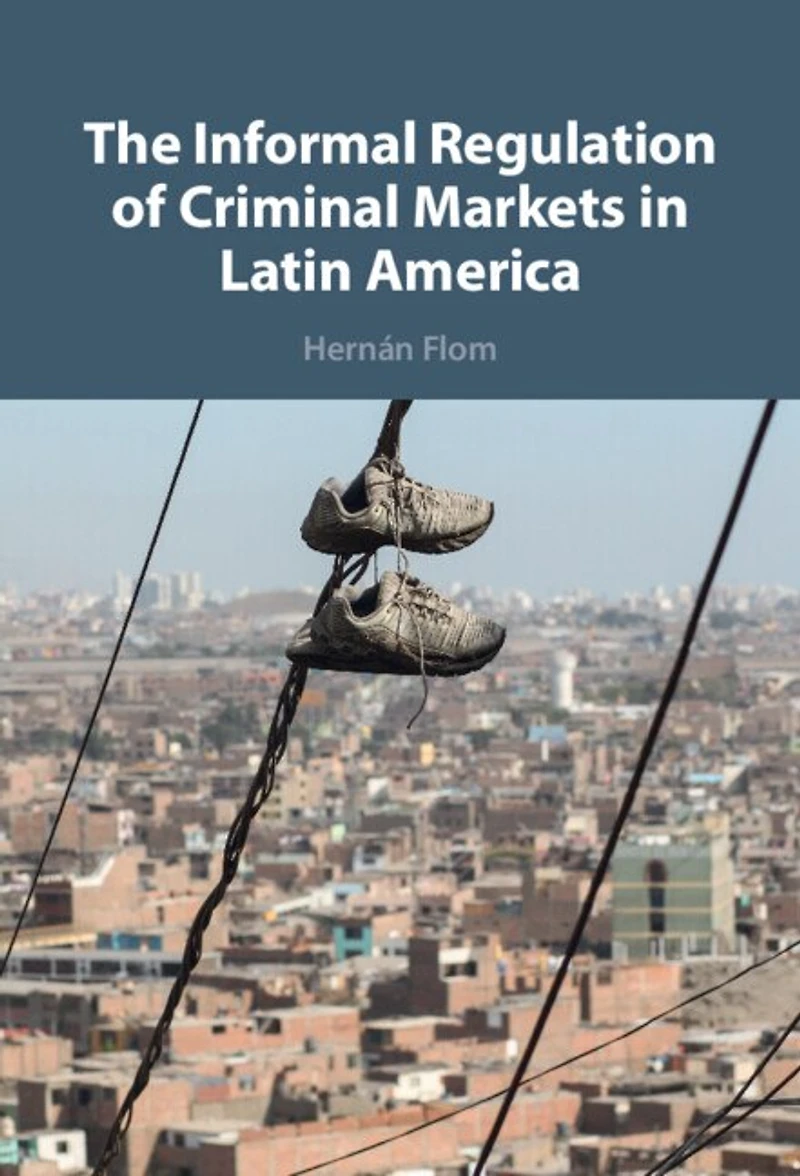
The Informal Regulation of Criminal Markets Latin America
By None
Current price: $127.95
Coles
The Informal Regulation of Criminal Markets Latin America
By None
Current price: $127.95
Loading Inventory...
Size: Hardcover
*Product information and pricing may vary - to confirm current pricing, availability, shipping, and return information please contact Coles. In the event of a pricing discrepancy, the retailer's price will apply.
This book explains how states informally regulate drug markets in Latin America. It shows how and why state actors, specifically police and politicians, confront, negotiate with, or protect drug dealers to extract illicit rents or prevent criminal violence. The book highlights how, in countries with weak institutions, police act as interlocutors between criminals and politicians. It shows that whether and how politicians control their police forces explains the prevalence of different informal regulatory arrangements to control drug markets. Using detailed case studies built on 180 interviews in four cities in Argentina and Brazil, the book reconstructs how these informal regulatory arrangements emerged and changed over time.
This book explains how states informally regulate drug markets in Latin America. It shows how and why state actors, specifically police and politicians, confront, negotiate with, or protect drug dealers to extract illicit rents or prevent criminal violence. The book highlights how, in countries with weak institutions, police act as interlocutors between criminals and politicians. It shows that whether and how politicians control their police forces explains the prevalence of different informal regulatory arrangements to control drug markets. Using detailed case studies built on 180 interviews in four cities in Argentina and Brazil, the book reconstructs how these informal regulatory arrangements emerged and changed over time.
You May Also Like




More About Coles at Pine Centre
Shop Coles for bestselling books, toys, stationary, and so much more!
3079 Massey Dr, Prince George, BC V2N 1R4, Canada
Find Coles at Pine Centre in Prince George, BC
Visit Coles at Pine Centre in Prince George, BC
