
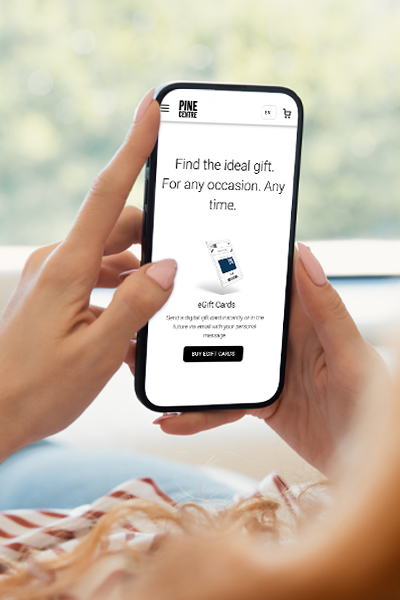
Gifting Made Simple
Give the Gift of ChoiceClick below to purchase a Pine Centre eGift Card that can be used at participating retailers at Pine Centre.Purchase HereHome
The Informal Powers of Western European Presidents: A Way out Weakness
Coles
Loading Inventory...


The Informal Powers of Western European Presidents: A Way out Weakness
By None
Current price: $204.50
Coles
The Informal Powers of Western European Presidents: A Way out Weakness
By None
Current price: $204.50
Loading Inventory...
Size: Hardcover
*Product information and pricing may vary - to confirm current pricing, availability, shipping, and return information please contact Coles. In the event of a pricing discrepancy, the retailer's price will apply.
The book explores how weak presidents directly or indirectly elected can still play a crucial role in the political arena. Weak presidents have been distinguished from strong ones by relying on the evaluation of the powers they display according to the constitution. Six Western European countries are analysed: Germany and Italy which present a consistent constitutional design (as weak presidents are elected indirectly), and Austria, Ireland, Finland and Portugal that present inconsistent constitutional design (as weak presidents are elected directly). In contrast to much of the existing comparative works on presidential powers and activism, the book emphasises the role and the use of informal powers beyond that of formal ones. In particular, a definition and a typology of informal powers are provided as well as an empirical investigation on informal presidential activism. The positive outcome of presidential informal interventions are studied by relying on an interactionist approachwhich combines presidency-centred as well as president centred-explanations. The book argues that when dealing with informal presidential activism the opportunity structure matters but presidential public support matters even more.
The book explores how weak presidents directly or indirectly elected can still play a crucial role in the political arena. Weak presidents have been distinguished from strong ones by relying on the evaluation of the powers they display according to the constitution. Six Western European countries are analysed: Germany and Italy which present a consistent constitutional design (as weak presidents are elected indirectly), and Austria, Ireland, Finland and Portugal that present inconsistent constitutional design (as weak presidents are elected directly). In contrast to much of the existing comparative works on presidential powers and activism, the book emphasises the role and the use of informal powers beyond that of formal ones. In particular, a definition and a typology of informal powers are provided as well as an empirical investigation on informal presidential activism. The positive outcome of presidential informal interventions are studied by relying on an interactionist approachwhich combines presidency-centred as well as president centred-explanations. The book argues that when dealing with informal presidential activism the opportunity structure matters but presidential public support matters even more.
You May Also Like







More About Coles at Pine Centre
Shop Coles for bestselling books, toys, stationary, and so much more!
3079 Massey Dr, Prince George, BC V2N 1R4, Canada
Find Coles at Pine Centre in Prince George, BC
Visit Coles at Pine Centre in Prince George, BC
