

Gifting Made Simple
Give the Gift of ChoiceClick below to purchase a Pine Centre eGift Card that can be used at participating retailers at Pine Centre.Purchase HereHome
the Incorrigibles: Eugenics and Sterilization Kansas Industrial School for Girls
Coles
Loading Inventory...
the Incorrigibles: Eugenics and Sterilization Kansas Industrial School for Girls
By None
Current price: $81.95
Coles
the Incorrigibles: Eugenics and Sterilization Kansas Industrial School for Girls
By None
Current price: $81.95
Loading Inventory...
Size: Hardcover
*Product information and pricing may vary - to confirm current pricing, availability, shipping, and return information please contact Coles. In the event of a pricing discrepancy, the retailer's price will apply.
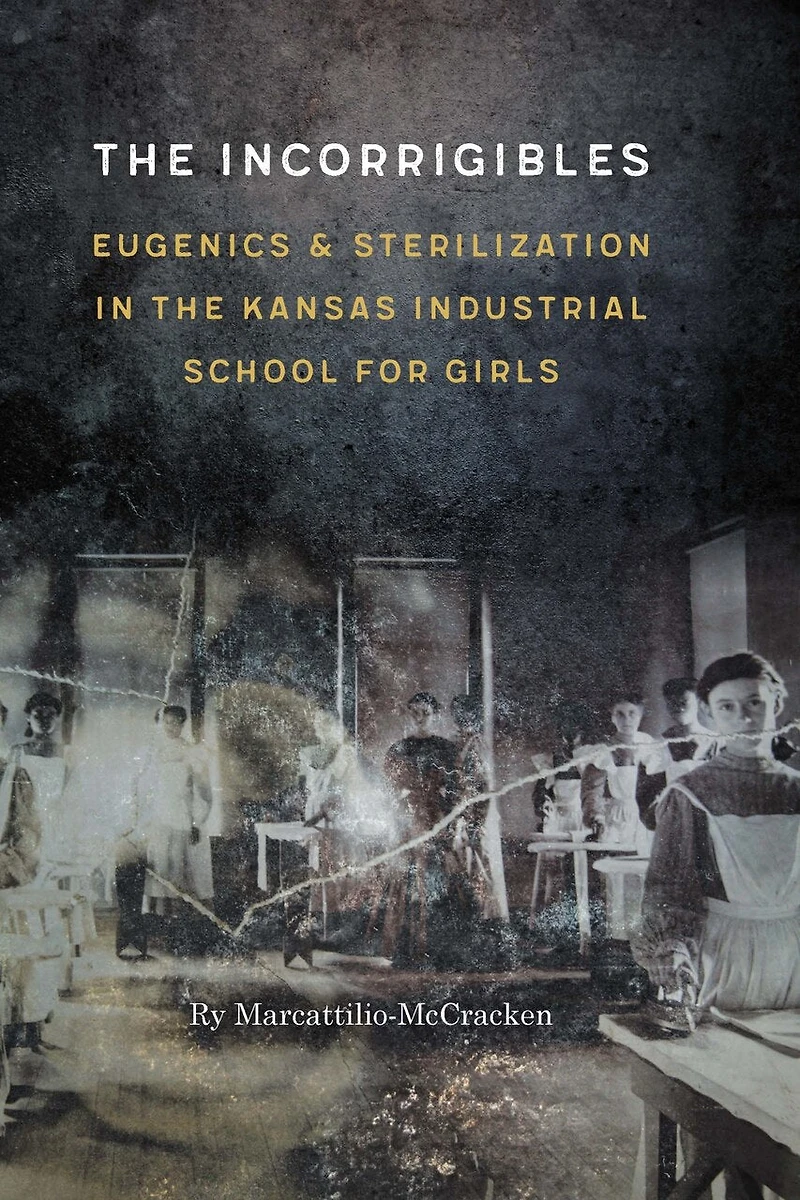
Between September 1935 and June 1936, sixty-two girls from a reformatory in north-central Kansas were sterilized in the name of eugenics. None of the girls were habitual criminals, had multiple children, were living on social welfare, or were found to have IQs below seventy; in other words, almost none of them fit the categories usually described by eugenicists as justification for sterilization or covered by Kansas's eugenic sterilization law. Yet no one at the time-including the reform school superintendent who ordered the procedures performed-had trouble defending the sterilizations as eugenically minded. The general public, however, found the justifications significantly more controversial after the story hit the newspapers. In The Incorrigibles Ry Marcattilio-McCracken interrogates the overlooked history of eugenics in Kansas. He argues that eugenics developed alongside Progressive social welfare reforms in public health, criminal deterrence, child welfare, and juvenile delinquency. Between 1890 and 1955, ideas about rural degenerationism and hereditarianism infused the mission of "progressive" reformers, who linked delinquency, incorrigibility, and immorality to inheritable traits. Marcattilio-McCracken shows how the era's institutional overcrowding, landmark Supreme Court cases, and the economic downturn of the Great Depression contributed to the sterilization of the students from the Girls' Industrial School in Beloit, Kansas.
Between September 1935 and June 1936, sixty-two girls from a reformatory in north-central Kansas were sterilized in the name of eugenics. None of the girls were habitual criminals, had multiple children, were living on social welfare, or were found to have IQs below seventy; in other words, almost none of them fit the categories usually described by eugenicists as justification for sterilization or covered by Kansas's eugenic sterilization law. Yet no one at the time-including the reform school superintendent who ordered the procedures performed-had trouble defending the sterilizations as eugenically minded. The general public, however, found the justifications significantly more controversial after the story hit the newspapers. In The Incorrigibles Ry Marcattilio-McCracken interrogates the overlooked history of eugenics in Kansas. He argues that eugenics developed alongside Progressive social welfare reforms in public health, criminal deterrence, child welfare, and juvenile delinquency. Between 1890 and 1955, ideas about rural degenerationism and hereditarianism infused the mission of "progressive" reformers, who linked delinquency, incorrigibility, and immorality to inheritable traits. Marcattilio-McCracken shows how the era's institutional overcrowding, landmark Supreme Court cases, and the economic downturn of the Great Depression contributed to the sterilization of the students from the Girls' Industrial School in Beloit, Kansas.
You May Also Like








More About Coles at Pine Centre
Shop Coles for bestselling books, toys, stationary, and so much more!
3079 Massey Dr, Prince George, BC V2N 1R4, Canada
Find Coles at Pine Centre in Prince George, BC
Visit Coles at Pine Centre in Prince George, BC
