

Gifting Made Simple
Give the Gift of ChoiceClick below to purchase a Pine Centre eGift Card that can be used at participating retailers at Pine Centre.Purchase HereHome
The French Revolution Debate and British Novel, 1790-1814: Struggle for History's Authority
Coles
Loading Inventory...
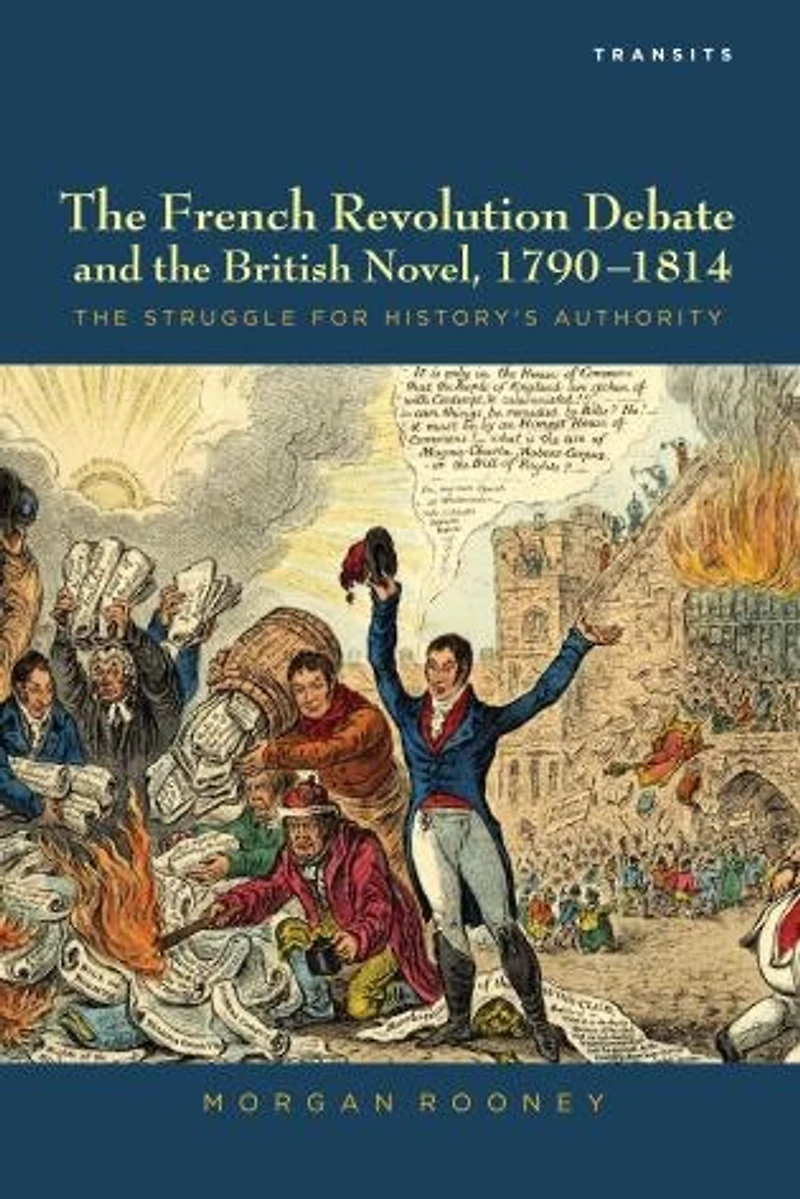
The French Revolution Debate and British Novel, 1790-1814: Struggle for History's Authority
By None
Current price: $189.95
Coles
The French Revolution Debate and British Novel, 1790-1814: Struggle for History's Authority
By None
Current price: $189.95
Loading Inventory...
Size: Hardcover
*Product information and pricing may vary - to confirm current pricing, availability, shipping, and return information please contact Coles. In the event of a pricing discrepancy, the retailer's price will apply.
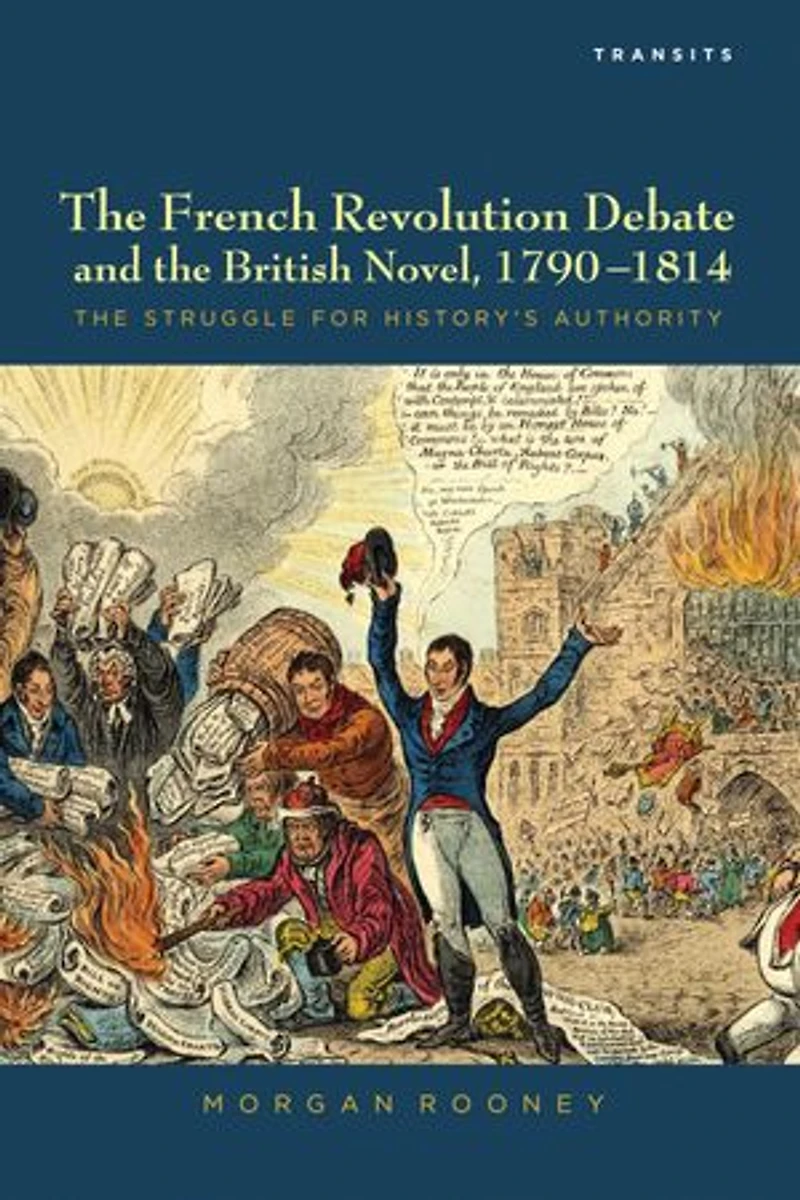
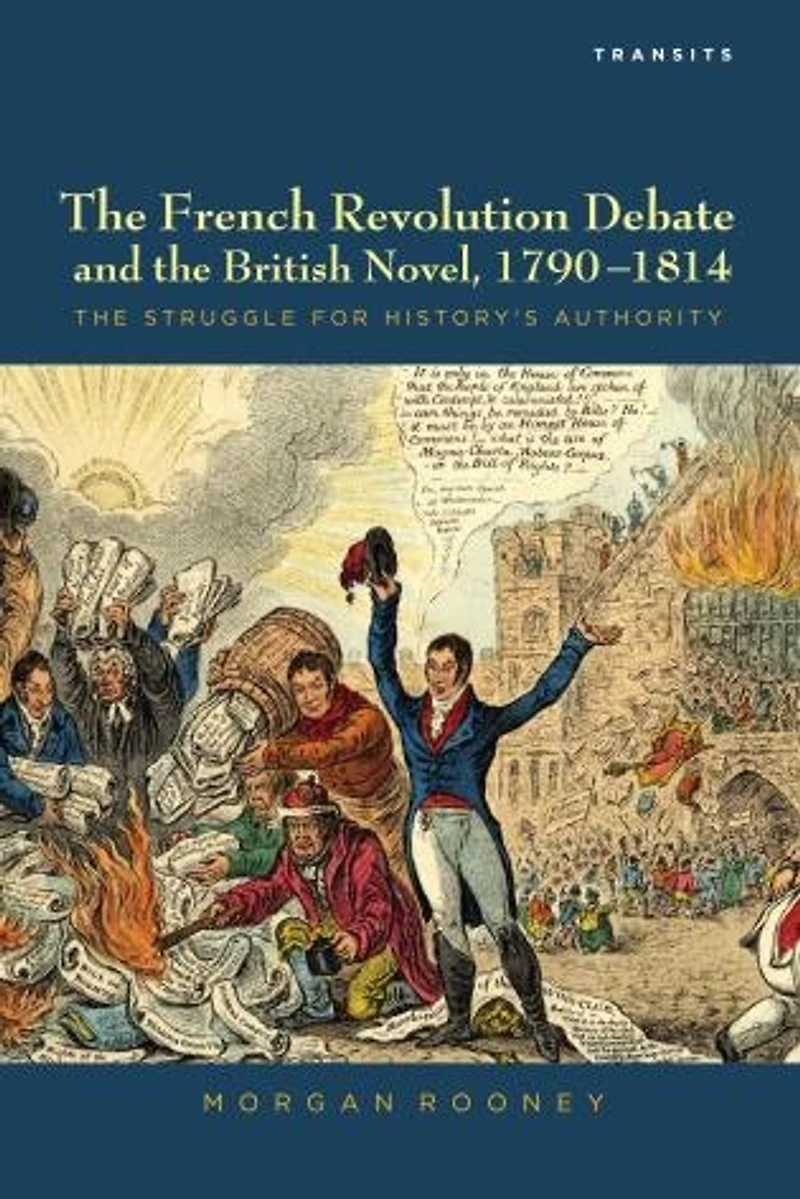
This study examines how debates about history during the French Revolution informed and changed the nature of the British novel between 1790 and 1814. During these years, intersections between history, political ideology, and fiction, as well as the various meanings of the term "history" itself, were multiple and far reaching. Morgan Rooney elucidates these subtleties clearly and convincingly. While political writers of the 1790s-Burke, Price, Mackintosh, Paine, Godwin, Wollstonecraft, and others-debate the historical meaning of the Glorious Revolution as a prelude to broader ideological arguments about the significance of the past for the present and future, novelists engage with this discourse by representing moments of the past or otherwise vying to enlist the authority of history to further a reformist or loyalist agenda. Anti-Jacobin novelists such as Charles Walker, Robert Bisset, and Jane West draw on Burkean historical discourse to characterize the reform movement as ignorant of the complex operations of historical accretion. For their part, reform-minded novelists such as Charlotte Smith, William Godwin, and Maria Edgeworth travesty Burke's tropes and arguments so as to undermine and then redefine the category of history. As the Revolution crisis recedes, new novel forms such as Edgeworth's regional novel, Lady Morgan's national tale, and Jane Porter's early historical fiction emerge, but historical representation-largely the legacy of the 1790s' novel-remains an increasingly pronounced feature of the genre. Whereas the representation of history in the novel, Rooney argues, is initially used strategically by novelists involved in the Revolution debate, it is appropriated in the early nineteenth century by authors such as Edgeworth, Morgan, and Porter for other, often related ideological purposes before ultimately developing into a stable, nonpartisan, aestheticized feature of the form as practiced by Walter Scott. The French Revolution Debate and the British Novel, 1790-1814 demonstrates that the transformation of the novel at this fascinating juncture of British political and literary history contributes to the emergence of the historical novel as it was first realized in Scott's Waverley (1814).
This study examines how debates about history during the French Revolution informed and changed the nature of the British novel between 1790 and 1814. During these years, intersections between history, political ideology, and fiction, as well as the various meanings of the term "history" itself, were multiple and far reaching. Morgan Rooney elucidates these subtleties clearly and convincingly. While political writers of the 1790s-Burke, Price, Mackintosh, Paine, Godwin, Wollstonecraft, and others-debate the historical meaning of the Glorious Revolution as a prelude to broader ideological arguments about the significance of the past for the present and future, novelists engage with this discourse by representing moments of the past or otherwise vying to enlist the authority of history to further a reformist or loyalist agenda. Anti-Jacobin novelists such as Charles Walker, Robert Bisset, and Jane West draw on Burkean historical discourse to characterize the reform movement as ignorant of the complex operations of historical accretion. For their part, reform-minded novelists such as Charlotte Smith, William Godwin, and Maria Edgeworth travesty Burke's tropes and arguments so as to undermine and then redefine the category of history. As the Revolution crisis recedes, new novel forms such as Edgeworth's regional novel, Lady Morgan's national tale, and Jane Porter's early historical fiction emerge, but historical representation-largely the legacy of the 1790s' novel-remains an increasingly pronounced feature of the genre. Whereas the representation of history in the novel, Rooney argues, is initially used strategically by novelists involved in the Revolution debate, it is appropriated in the early nineteenth century by authors such as Edgeworth, Morgan, and Porter for other, often related ideological purposes before ultimately developing into a stable, nonpartisan, aestheticized feature of the form as practiced by Walter Scott. The French Revolution Debate and the British Novel, 1790-1814 demonstrates that the transformation of the novel at this fascinating juncture of British political and literary history contributes to the emergence of the historical novel as it was first realized in Scott's Waverley (1814).
You May Also Like
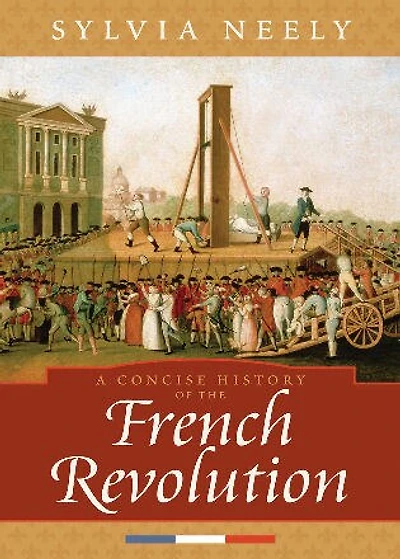








More About Coles at Pine Centre
Shop Coles for bestselling books, toys, stationary, and so much more!
3079 Massey Dr, Prince George, BC V2N 1R4, Canada
Find Coles at Pine Centre in Prince George, BC
Visit Coles at Pine Centre in Prince George, BC
