

Gifting Made Simple
Give the Gift of ChoiceClick below to purchase a Pine Centre eGift Card that can be used at participating retailers at Pine Centre.Purchase HereHome
The Epistemology of the Secret: International Law as Revelation
Coles
Loading Inventory...
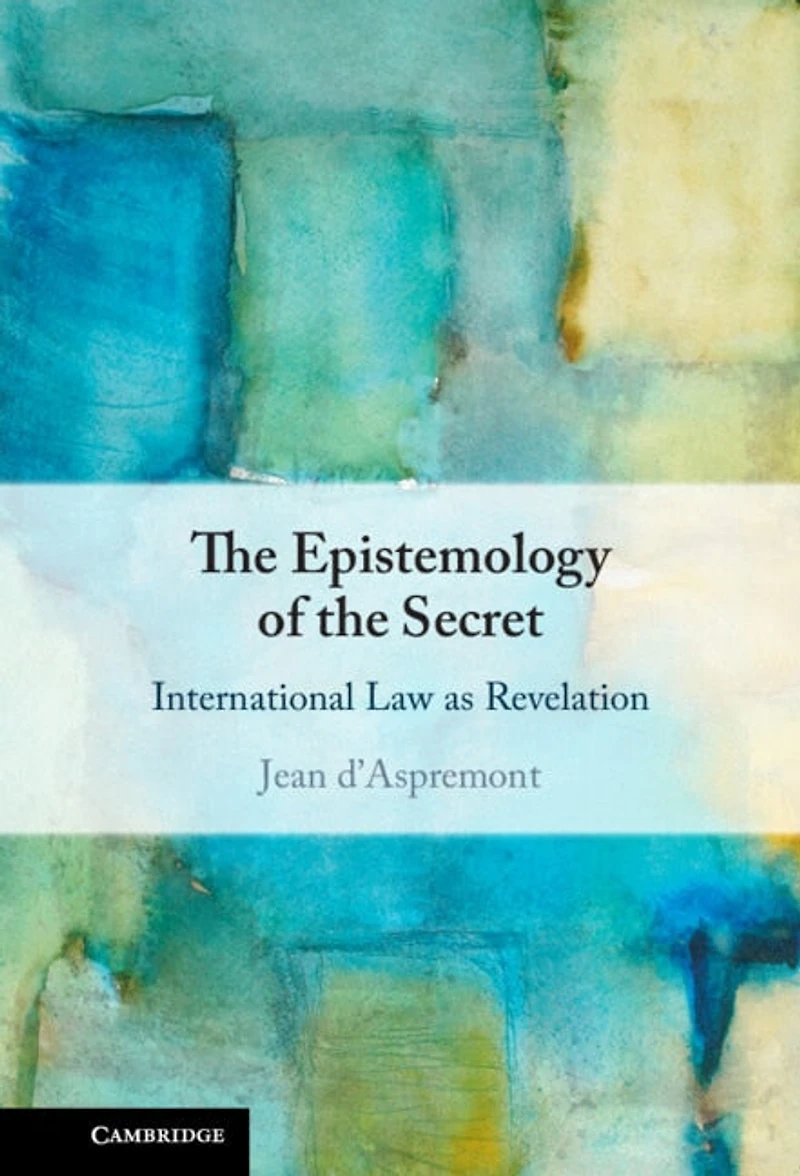
The Epistemology of the Secret: International Law as Revelation
By None
Current price: $149.95
Coles
The Epistemology of the Secret: International Law as Revelation
By None
Current price: $149.95
Loading Inventory...
Size: Hardcover
*Product information and pricing may vary - to confirm current pricing, availability, shipping, and return information please contact Coles. In the event of a pricing discrepancy, the retailer's price will apply.
In this groundbreaking work, Jean d'Aspremont undertakes the first study of the epistemology of the secret of international law, which is a specific intellectual posture whereby international law is considered to be replete with secrets that international lawyers ought to reveal. In addition to arguing that the epistemology of the secret of international law is everywhere at work in international legal thought and practice, d'Aspremont demonstrates why this posture must be scrutinized, given how much it enables certain sayings, thoughts, perceptions and actions while simultaneously disabling others, making it complicit with the worst forms of capitalism, colonialism, racism, bourgeois ideology, phallocentrism, virilism and masculinism. This book should be read by anyone interested in how international law came to do what it does and why it must be rethought.
In this groundbreaking work, Jean d'Aspremont undertakes the first study of the epistemology of the secret of international law, which is a specific intellectual posture whereby international law is considered to be replete with secrets that international lawyers ought to reveal. In addition to arguing that the epistemology of the secret of international law is everywhere at work in international legal thought and practice, d'Aspremont demonstrates why this posture must be scrutinized, given how much it enables certain sayings, thoughts, perceptions and actions while simultaneously disabling others, making it complicit with the worst forms of capitalism, colonialism, racism, bourgeois ideology, phallocentrism, virilism and masculinism. This book should be read by anyone interested in how international law came to do what it does and why it must be rethought.
You May Also Like











More About Coles at Pine Centre
Shop Coles for bestselling books, toys, stationary, and so much more!
3079 Massey Dr, Prince George, BC V2N 1R4, Canada
Find Coles at Pine Centre in Prince George, BC
Visit Coles at Pine Centre in Prince George, BC
