

Gifting Made Simple
Give the Gift of ChoiceClick below to purchase a Pine Centre eGift Card that can be used at participating retailers at Pine Centre.Purchase HereHome
Tell Ahmar on the Syrian Euphrates: From Chalcolithic Village to Assyrian Provincial Capital
Coles
Loading Inventory...
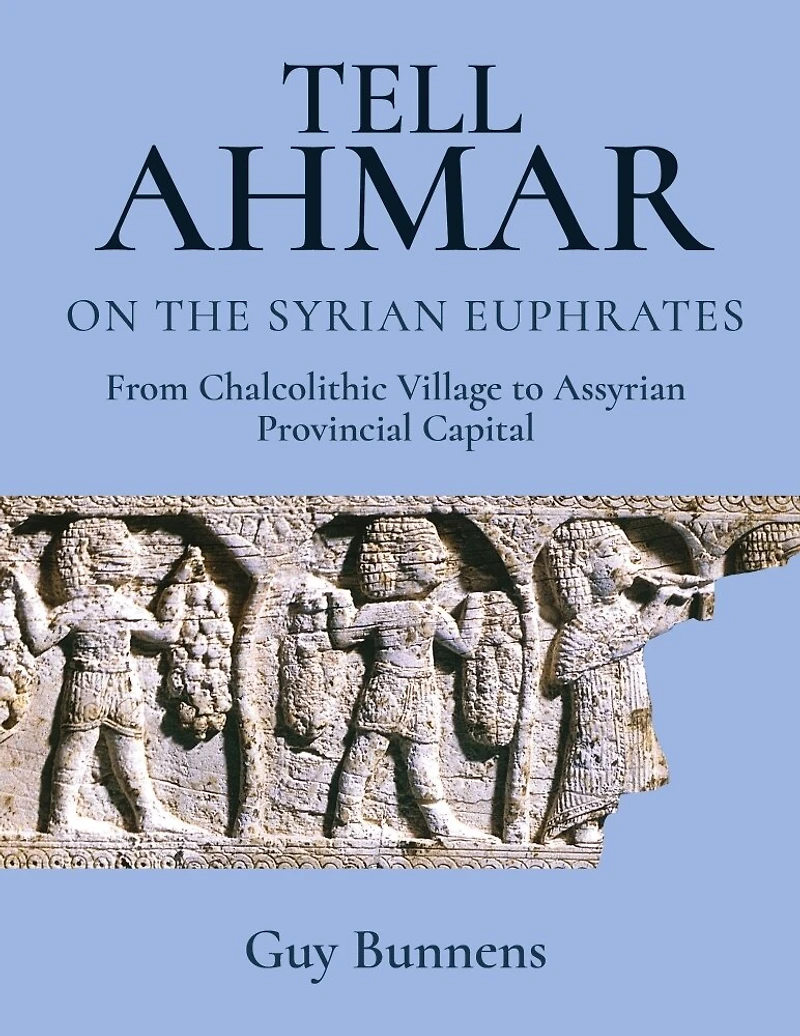
Tell Ahmar on the Syrian Euphrates: From Chalcolithic Village to Assyrian Provincial Capital
By None
Current price: $117.00
Coles
Tell Ahmar on the Syrian Euphrates: From Chalcolithic Village to Assyrian Provincial Capital
By None
Current price: $117.00
Loading Inventory...
Size: Hardcover
*Product information and pricing may vary - to confirm current pricing, availability, shipping, and return information please contact Coles. In the event of a pricing discrepancy, the retailer's price will apply.
Tell Ahmar - also known as Masuwari, Til Barsib and Kar-Shalmaneser in the first millennium BCE - was first inhabited in the sixth millennium during the Ubaid period, and progressively developed to become a regional centre, and in the eighth and seventh centuries, a provincial capital of the Assyrian empire. Remains from the third millennium (a temple and a funerary complex), the second millennium (an administrative complex and well-preserved houses) and the first millennium (an Assyrian palace and elite residences) are particularly impressive. The book offers an archaeological and historical synthesis of the results obtained by the excavations of François Thureau-Dangin (1929-1931) and by the more recent excavations of the universities of Melbourne (1988-1999) and Liège (2000-2010). It presents a comprehensive and diachronic view of the evolution of the site, which, by its position on the Euphrates at an important crossroads of ancient communication routes, was at the heart of a game of cultural and political interference between Mesopotamia, the Mediterranean world and Asia Minor.
Tell Ahmar - also known as Masuwari, Til Barsib and Kar-Shalmaneser in the first millennium BCE - was first inhabited in the sixth millennium during the Ubaid period, and progressively developed to become a regional centre, and in the eighth and seventh centuries, a provincial capital of the Assyrian empire. Remains from the third millennium (a temple and a funerary complex), the second millennium (an administrative complex and well-preserved houses) and the first millennium (an Assyrian palace and elite residences) are particularly impressive. The book offers an archaeological and historical synthesis of the results obtained by the excavations of François Thureau-Dangin (1929-1931) and by the more recent excavations of the universities of Melbourne (1988-1999) and Liège (2000-2010). It presents a comprehensive and diachronic view of the evolution of the site, which, by its position on the Euphrates at an important crossroads of ancient communication routes, was at the heart of a game of cultural and political interference between Mesopotamia, the Mediterranean world and Asia Minor.
You May Also Like





More About Coles at Pine Centre
Shop Coles for bestselling books, toys, stationary, and so much more!
3079 Massey Dr, Prince George, BC V2N 1R4, Canada
Find Coles at Pine Centre in Prince George, BC
Visit Coles at Pine Centre in Prince George, BC
