

Gifting Made Simple
Give the Gift of ChoiceClick below to purchase a Pine Centre eGift Card that can be used at participating retailers at Pine Centre.Purchase HereHome
Television Post-reform Vietnam: Nation, Media, Market
Coles
Loading Inventory...
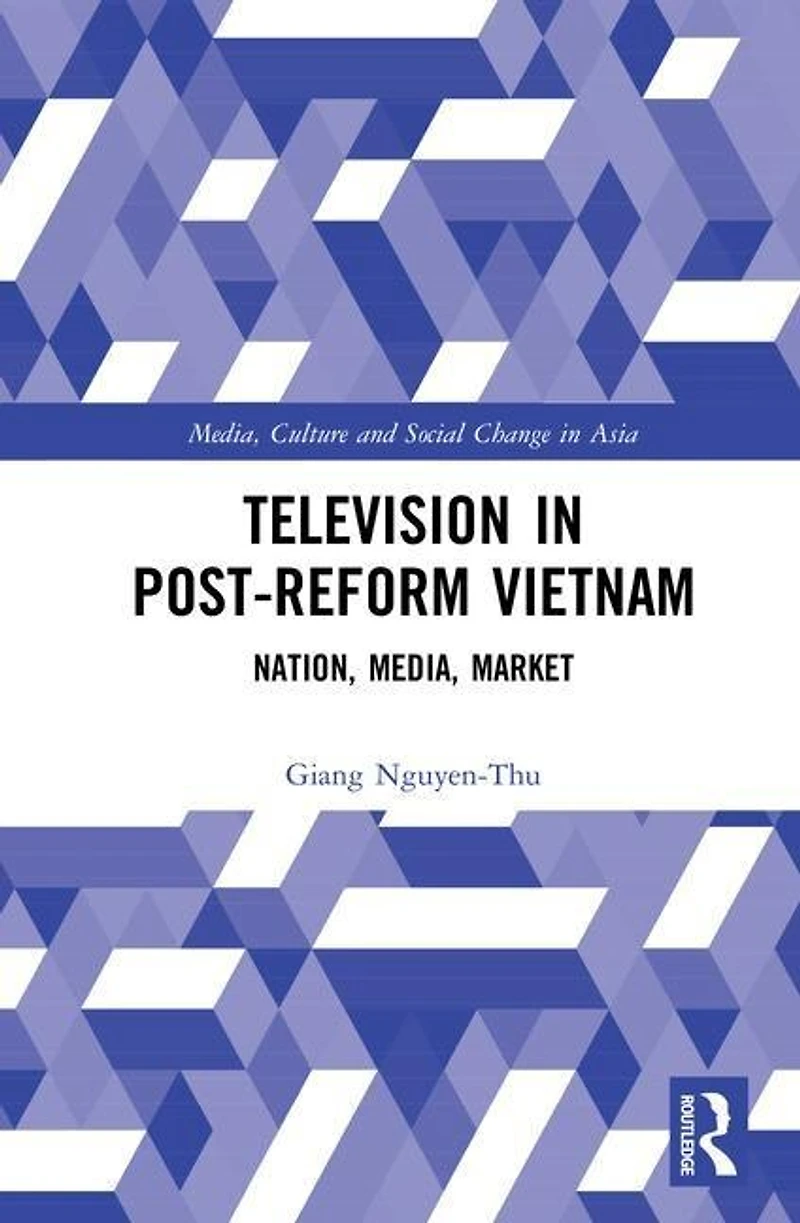
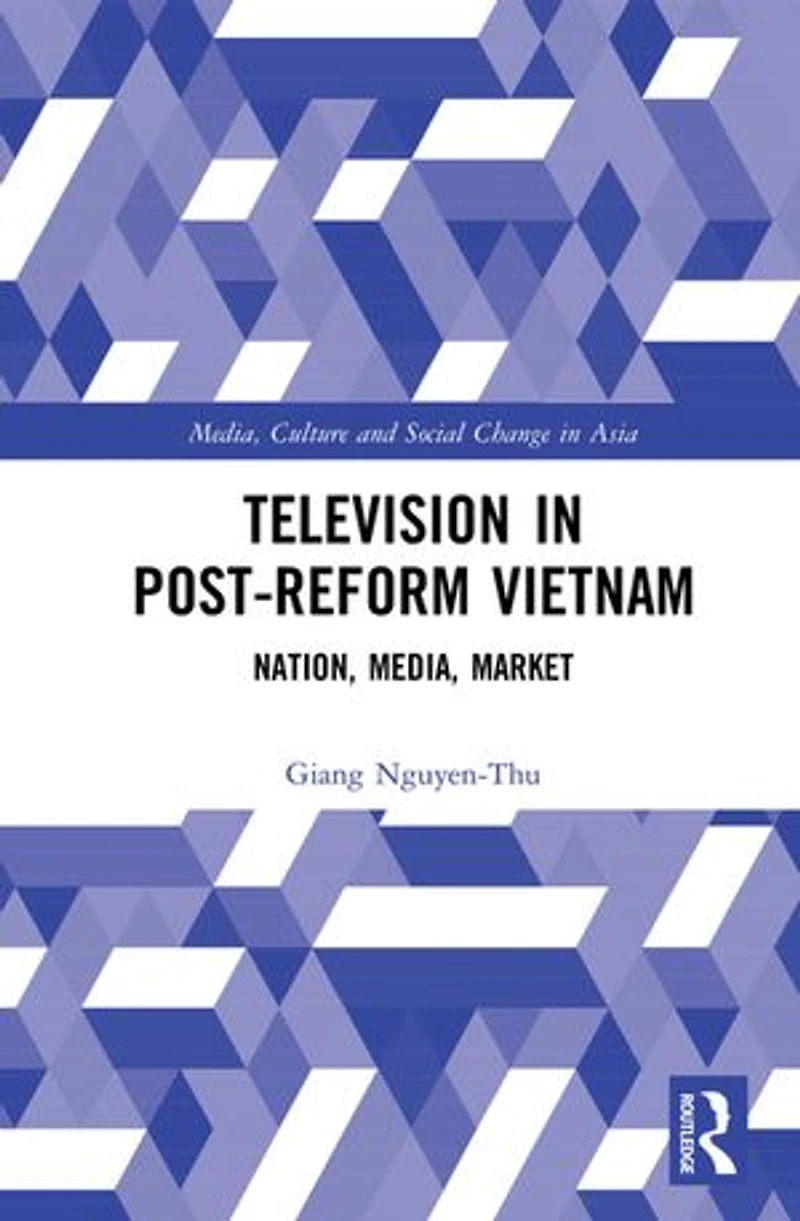
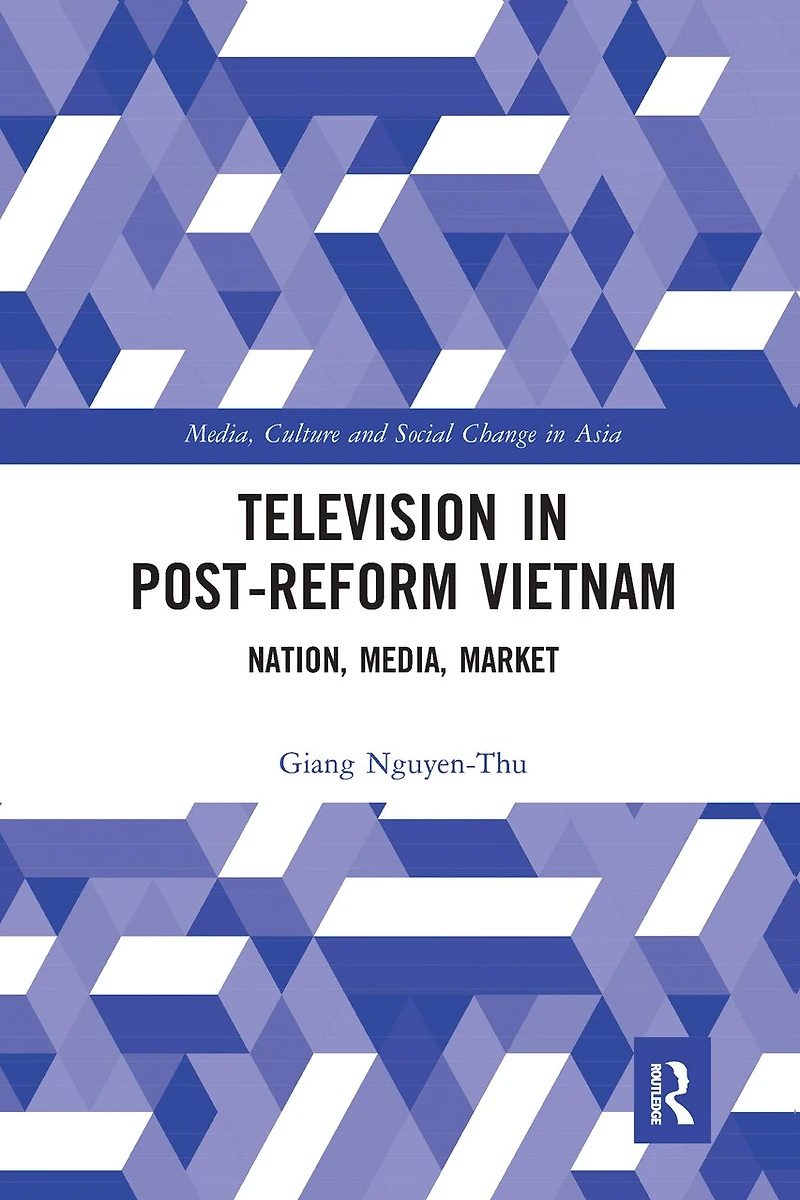
Television Post-reform Vietnam: Nation, Media, Market
By None
Current price: $296.50
Coles
Television Post-reform Vietnam: Nation, Media, Market
By None
Current price: $296.50
Loading Inventory...
Size: Hardcover
*Product information and pricing may vary - to confirm current pricing, availability, shipping, and return information please contact Coles. In the event of a pricing discrepancy, the retailer's price will apply.
This book explores Vietnamese popular television in the post-Reform era, that is, from 1986, focussing on the relationship between television and national imagination. It locates Vietnamese television in the experiences of everyday life and the prevailing network of power relations resulting from marketization and globalization, and, as such, moves beyond the clichéd assumption of Vietnamese media as a mere propagandist instrument of the party state. With examples from a wide range of television genres, the book demonstrates how Vietnamese television enables novel conditions of cultural oppression as well as political engagement in the name of the nation. In sharp contrast to the previous image of Vietnam as a war-torn land, post-Reform television conjures into being a new sense of national belonging based on an implicit rejection of the socialist past, hopes for peace and prosperity, and anxieties about a globalized future. This book highlights the richness of Vietnam's current culture and identity, characterized, the book argues, by 'fraternity without uniformity'.
This book explores Vietnamese popular television in the post-Reform era, that is, from 1986, focussing on the relationship between television and national imagination. It locates Vietnamese television in the experiences of everyday life and the prevailing network of power relations resulting from marketization and globalization, and, as such, moves beyond the clichéd assumption of Vietnamese media as a mere propagandist instrument of the party state. With examples from a wide range of television genres, the book demonstrates how Vietnamese television enables novel conditions of cultural oppression as well as political engagement in the name of the nation. In sharp contrast to the previous image of Vietnam as a war-torn land, post-Reform television conjures into being a new sense of national belonging based on an implicit rejection of the socialist past, hopes for peace and prosperity, and anxieties about a globalized future. This book highlights the richness of Vietnam's current culture and identity, characterized, the book argues, by 'fraternity without uniformity'.
You May Also Like















More About Coles at Pine Centre
Shop Coles for bestselling books, toys, stationary, and so much more!
3079 Massey Dr, Prince George, BC V2N 1R4, Canada
Find Coles at Pine Centre in Prince George, BC
Visit Coles at Pine Centre in Prince George, BC
