
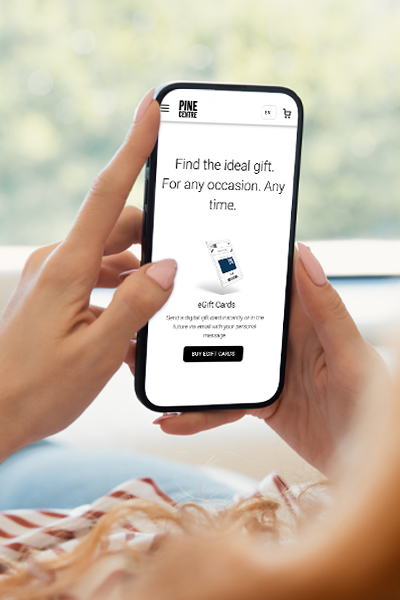
Gifting Made Simple
Give the Gift of ChoiceClick below to purchase a Pine Centre eGift Card that can be used at participating retailers at Pine Centre.Purchase HereHome
T and T Clark Handbook of Intercultural Theology and Mission Studies
Coles
Loading Inventory...

T and T Clark Handbook of Intercultural Theology and Mission Studies
By None
Current price: $255.50
Coles
T and T Clark Handbook of Intercultural Theology and Mission Studies
By None
Current price: $255.50
Loading Inventory...
Size: Hardcover
*Product information and pricing may vary - to confirm current pricing, availability, shipping, and return information please contact Coles. In the event of a pricing discrepancy, the retailer's price will apply.
T&T Clark Handbook of Intercultural Theology and Mission Studiesprovides an overview of the developments within mission studies that has led to the change in nomenclature to include intercultural theology, world Christianity, ecumenics and history of religion. What is the relationship of the faith to politics, religious pluralism, gender relations, cultural diversity, economics, politics, sacred texts, ancestors, social structures, healing, and colonisation? The answer to these questions informs how the community structures itself, how it interprets its relationship to the world around it, and the theologies and liturgies it develops for telling the story of its relationship to God. Nor is this diversity static. Through migration, or mission, or political expansion, or simply through shifts in ideologies, these communities literally and symbolically move across cultural, socio-economic, political, general, ideological, and generational boundaries.
T&T Clark Handbook of Intercultural Theology and Mission Studiesprovides an overview of the developments within mission studies that has led to the change in nomenclature to include intercultural theology, world Christianity, ecumenics and history of religion. What is the relationship of the faith to politics, religious pluralism, gender relations, cultural diversity, economics, politics, sacred texts, ancestors, social structures, healing, and colonisation? The answer to these questions informs how the community structures itself, how it interprets its relationship to the world around it, and the theologies and liturgies it develops for telling the story of its relationship to God. Nor is this diversity static. Through migration, or mission, or political expansion, or simply through shifts in ideologies, these communities literally and symbolically move across cultural, socio-economic, political, general, ideological, and generational boundaries.
You May Also Like










More About Coles at Pine Centre
Shop Coles for bestselling books, toys, stationary, and so much more!
3079 Massey Dr, Prince George, BC V2N 1R4, Canada
Find Coles at Pine Centre in Prince George, BC
Visit Coles at Pine Centre in Prince George, BC
