

Gifting Made Simple
Give the Gift of ChoiceClick below to purchase a Pine Centre eGift Card that can be used at participating retailers at Pine Centre.Purchase HereHome
Summa (Quaestiones ordinariae) art. LVI - LIX
Coles
Loading Inventory...
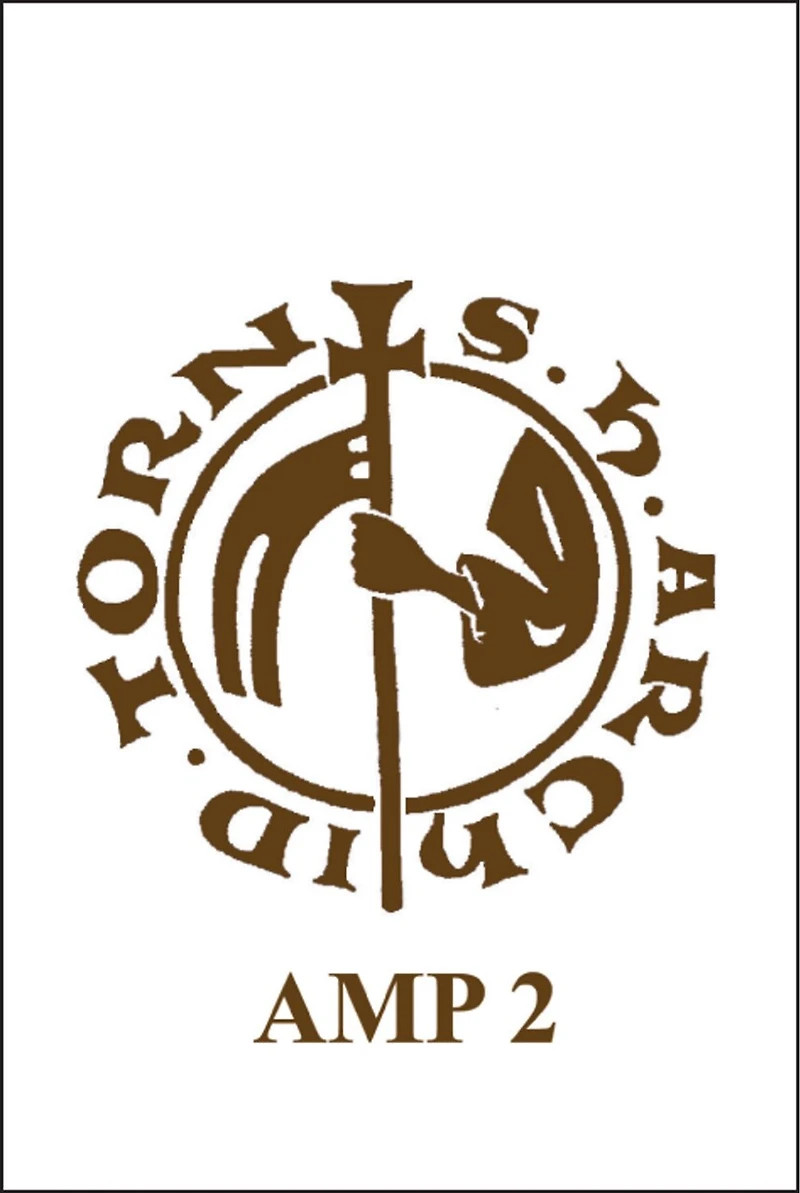
Summa (Quaestiones ordinariae) art. LVI - LIX
By None
Current price: $159.95
Coles
Summa (Quaestiones ordinariae) art. LVI - LIX
By None
Current price: $159.95
Loading Inventory...
Size: Hardcover
*Product information and pricing may vary - to confirm current pricing, availability, shipping, and return information please contact Coles. In the event of a pricing discrepancy, the retailer's price will apply.
Articles 56?59 of Henry of Ghent's Summa is devoted to the trinitarian properties. Henry was the most important Christian theological thinker in the last quarter of the 13th century and his works were influential not only in his lifetime, but also in the following century and into the Renaissance.Henry's Quaestiones ordinariae (Summa), articles 56?59 deal with the trinitarian properties and relations, topics of Henry's lectures at the university in Paris. In these articles, dated around 1286, Henry treats generation, a property unique to the Father, and being generated, a property unique to the Son.The university in Paris distributed articles 56?59 by means of two successive exemplars divided into peciae. Manuscripts copied from each have survived and the text of the critical edition has been established based upon the reconstructed texts of these two exemplars.
Articles 56?59 of Henry of Ghent's Summa is devoted to the trinitarian properties. Henry was the most important Christian theological thinker in the last quarter of the 13th century and his works were influential not only in his lifetime, but also in the following century and into the Renaissance.Henry's Quaestiones ordinariae (Summa), articles 56?59 deal with the trinitarian properties and relations, topics of Henry's lectures at the university in Paris. In these articles, dated around 1286, Henry treats generation, a property unique to the Father, and being generated, a property unique to the Son.The university in Paris distributed articles 56?59 by means of two successive exemplars divided into peciae. Manuscripts copied from each have survived and the text of the critical edition has been established based upon the reconstructed texts of these two exemplars.
You May Also Like







More About Coles at Pine Centre
Shop Coles for bestselling books, toys, stationary, and so much more!
3079 Massey Dr, Prince George, BC V2N 1R4, Canada
Find Coles at Pine Centre in Prince George, BC
Visit Coles at Pine Centre in Prince George, BC
