

Gifting Made Simple
Give the Gift of ChoiceClick below to purchase a Pine Centre eGift Card that can be used at participating retailers at Pine Centre.Purchase HereHome
Struggle over Identity: The Official and the Alternative "Belarusianness"
Coles
Loading Inventory...
Struggle over Identity: The Official and the Alternative "Belarusianness"
By None
Current price: $81.95
Coles
Struggle over Identity: The Official and the Alternative "Belarusianness"
By None
Current price: $81.95
Loading Inventory...
Size: Paperback
*Product information and pricing may vary - to confirm current pricing, availability, shipping, and return information please contact Coles. In the event of a pricing discrepancy, the retailer's price will apply.
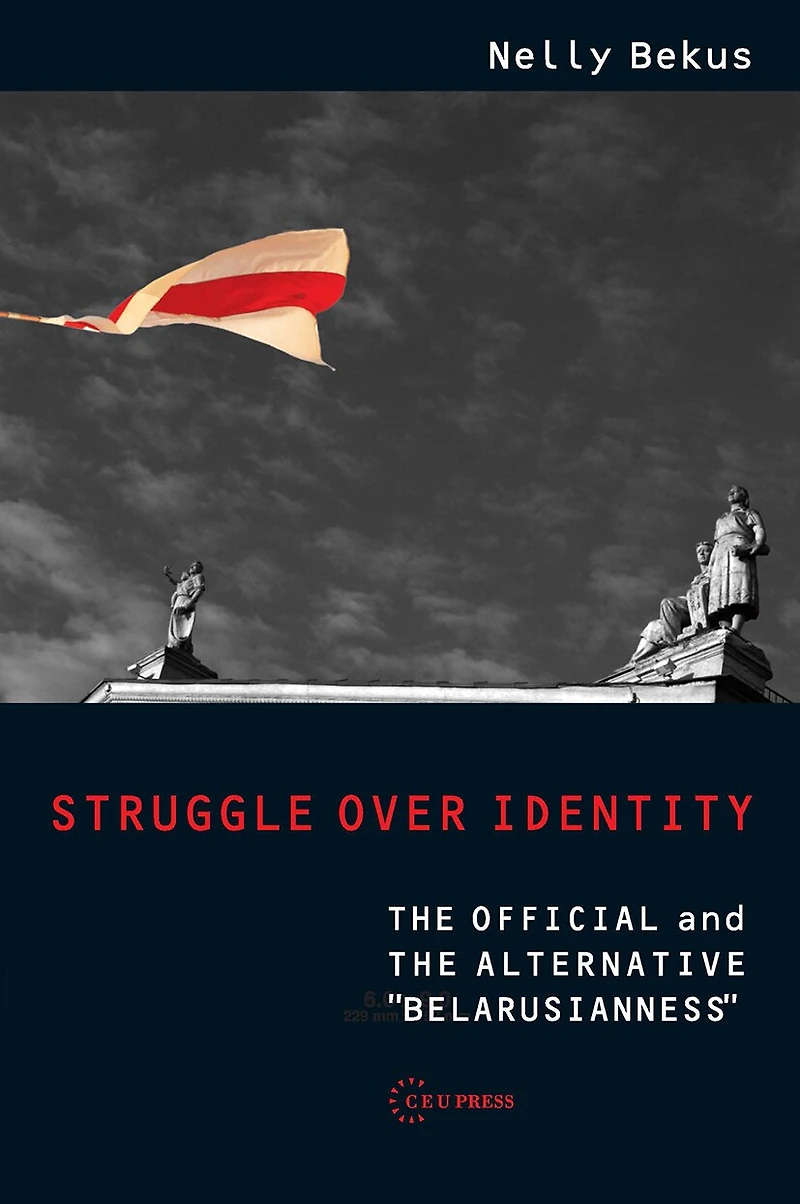
Rejecting the cliché about “weak identity and underdeveloped nationalism,” Bekus argues for the co-existence of two parallel concepts of Belarusianness—the official and the alternative one—which mirrors the current state of the Belarusian people more accurately and allows for a different interpretation of the interconnection between the democratization and nationalization of Belarusian society. The book describes how the ethno-symbolic nation of the Belarusian nationalists, based on the cultural capital of the Golden Age of the Belarusian past (17th century) competes with the “nation” institutionalized and reified by the numerous civic rituals and social practices under the auspices of the actual Belarusian state. Comparing the two concepts not only provides understanding of the logic that dominates Belarusian society’s self-description models, but also enables us to evaluate the chances of alternative Belarusianness to win this unequal struggle over identity.
Rejecting the cliché about “weak identity and underdeveloped nationalism,” Bekus argues for the co-existence of two parallel concepts of Belarusianness—the official and the alternative one—which mirrors the current state of the Belarusian people more accurately and allows for a different interpretation of the interconnection between the democratization and nationalization of Belarusian society. The book describes how the ethno-symbolic nation of the Belarusian nationalists, based on the cultural capital of the Golden Age of the Belarusian past (17th century) competes with the “nation” institutionalized and reified by the numerous civic rituals and social practices under the auspices of the actual Belarusian state. Comparing the two concepts not only provides understanding of the logic that dominates Belarusian society’s self-description models, but also enables us to evaluate the chances of alternative Belarusianness to win this unequal struggle over identity.
You May Also Like








More About Coles at Pine Centre
Shop Coles for bestselling books, toys, stationary, and so much more!
3079 Massey Dr, Prince George, BC V2N 1R4, Canada
Find Coles at Pine Centre in Prince George, BC
Visit Coles at Pine Centre in Prince George, BC
