

Gifting Made Simple
Give the Gift of ChoiceClick below to purchase a Pine Centre eGift Card that can be used at participating retailers at Pine Centre.Purchase HereHome
Structural Origins of Post-Yugoslav Regimes: Elites, Civil Society and the State
Coles
Loading Inventory...
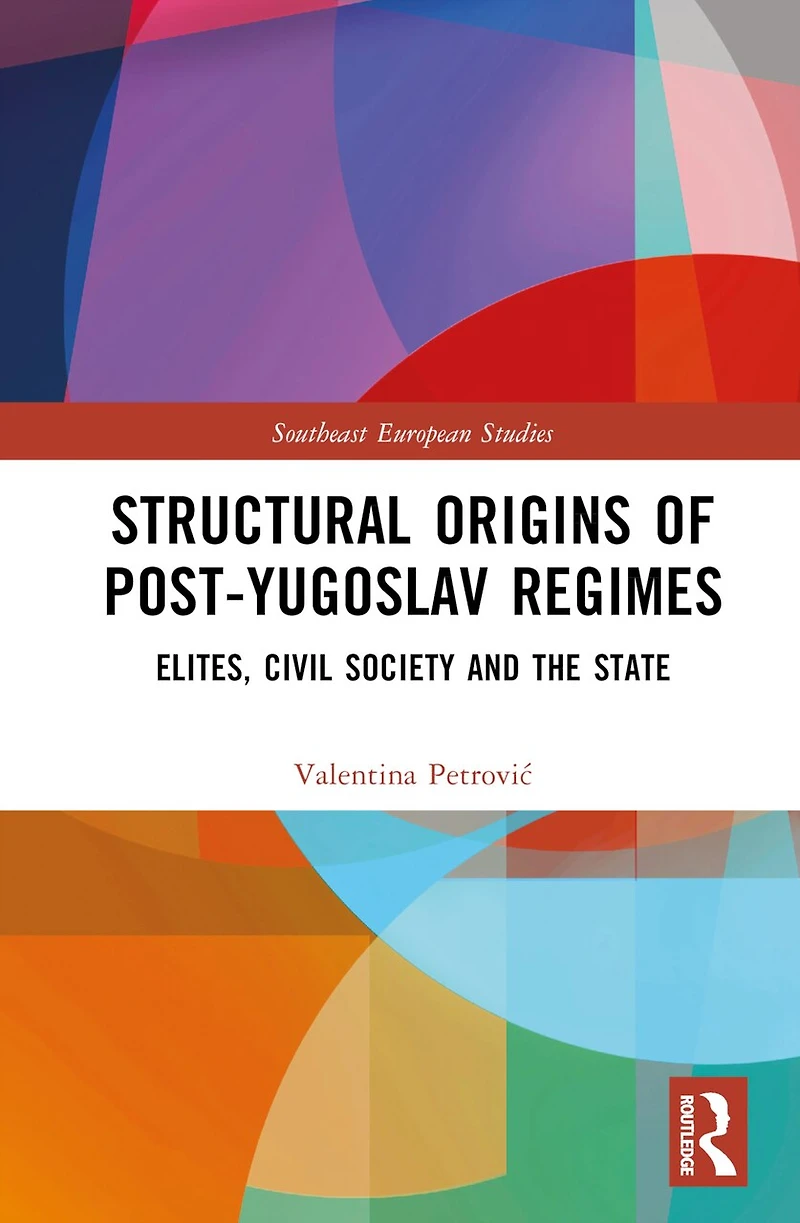
Structural Origins of Post-Yugoslav Regimes: Elites, Civil Society and the State
By None
Current price: $333.50
Coles
Structural Origins of Post-Yugoslav Regimes: Elites, Civil Society and the State
By None
Current price: $333.50
Loading Inventory...
Size: Hardcover
*Product information and pricing may vary - to confirm current pricing, availability, shipping, and return information please contact Coles. In the event of a pricing discrepancy, the retailer's price will apply.
This analysis of the Yugoslav democratisation process explains the variation of regime outcomes within a structuralist framework. Focusing on the post-socialist world, it goes beyond ethnicity and elite agency to bring the role of class and the state into discussions of third wave democracies. Offering an in-depth study of four post-Yugoslav cases and relying on extensive field work, it examines how civil society, state structures and elite agency influence the trajectories of Croatia, North Macedonia, Serbia and Slovenia after the end of socialism. The analysis also considers the impact of the European Union on domestic conditions. The author argues that no single factor explains the occurrence of democracy. It is instead the result of the combination of an autonomous civil society, a non-captured state and ruling elites willing to implement democratic reforms. Concomitant with this, the analysis provides evidence that the only sufficient condition for the occurrence of democracy is non-captured state structures. State capacity, therefore, plays a central role in democratisation. This book will be of interest to scholars and students of Eastern Europe, Southeastern Europe, the EU and democratisation, as well as to policymakers and nongovernmental organisations.
This analysis of the Yugoslav democratisation process explains the variation of regime outcomes within a structuralist framework. Focusing on the post-socialist world, it goes beyond ethnicity and elite agency to bring the role of class and the state into discussions of third wave democracies. Offering an in-depth study of four post-Yugoslav cases and relying on extensive field work, it examines how civil society, state structures and elite agency influence the trajectories of Croatia, North Macedonia, Serbia and Slovenia after the end of socialism. The analysis also considers the impact of the European Union on domestic conditions. The author argues that no single factor explains the occurrence of democracy. It is instead the result of the combination of an autonomous civil society, a non-captured state and ruling elites willing to implement democratic reforms. Concomitant with this, the analysis provides evidence that the only sufficient condition for the occurrence of democracy is non-captured state structures. State capacity, therefore, plays a central role in democratisation. This book will be of interest to scholars and students of Eastern Europe, Southeastern Europe, the EU and democratisation, as well as to policymakers and nongovernmental organisations.
You May Also Like



















More About Coles at Pine Centre
Shop Coles for bestselling books, toys, stationary, and so much more!
3079 Massey Dr, Prince George, BC V2N 1R4, Canada
Find Coles at Pine Centre in Prince George, BC
Visit Coles at Pine Centre in Prince George, BC
