

Gifting Made Simple
Give the Gift of ChoiceClick below to purchase a Pine Centre eGift Card that can be used at participating retailers at Pine Centre.Purchase HereHome
Social Origins Of Dictatorship And Democracy: Lord Peasant The Making Modern World
Coles
Loading Inventory...
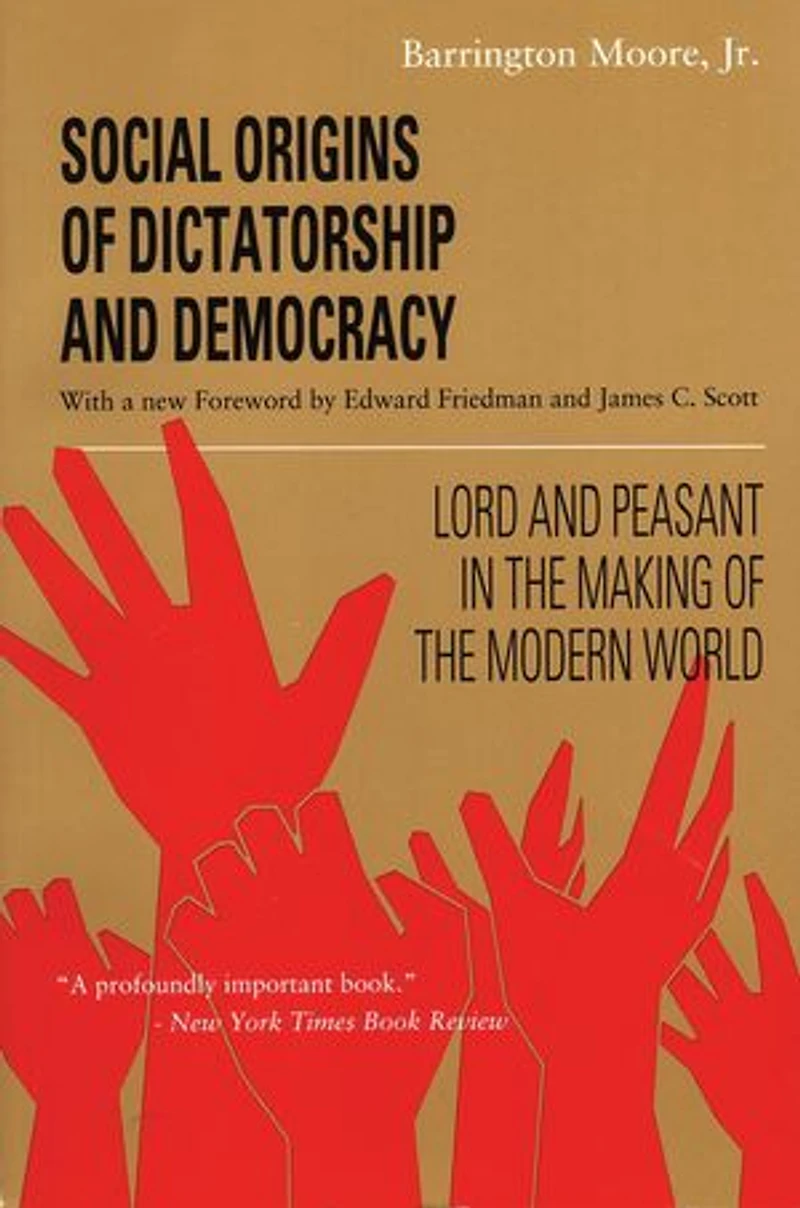
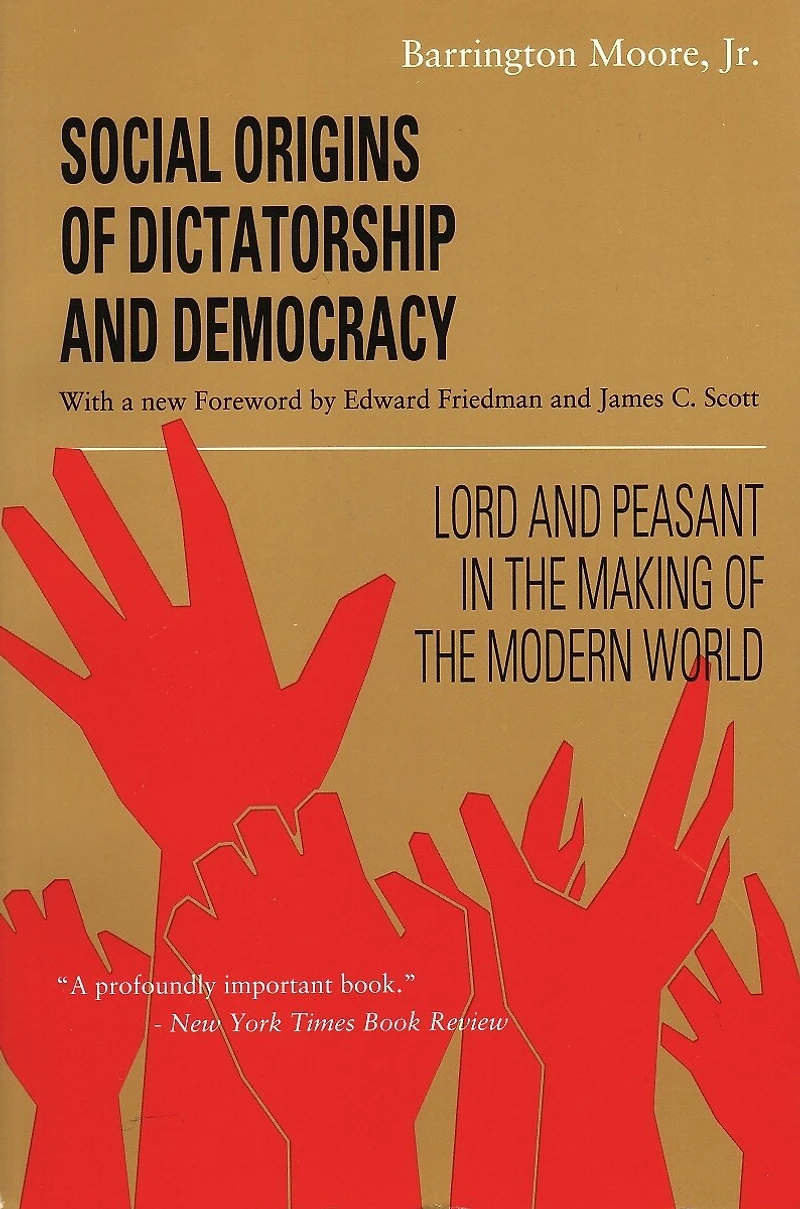
Social Origins Of Dictatorship And Democracy: Lord Peasant The Making Modern World
By None
Current price: $31.99
Original price: $40.00
Coles
Social Origins Of Dictatorship And Democracy: Lord Peasant The Making Modern World
By None
Current price: $31.99
Original price: $40.00
Loading Inventory...
Size: Kobo eBook
*Product information and pricing may vary - to confirm current pricing, availability, shipping, and return information please contact Coles. In the event of a pricing discrepancy, the retailer's price will apply.
This classic work of comparative history explores why some countries have developed as democracies—and others as fascist or communist dictatorships.Originally published in 1966, this classic text is a comparative survey of some of what Barrington Moore considers the major and most indicative world economies as they evolved out of pre-modern political systems into industrialism. But Moore is not ultimately concerned with explaining economic development so much as exploring why modes of development produced different political forms that managed the transition to industrialism and modernization. Why did one society modernize into a "relatively free," democratic society (by which Moore means England)? Why did others metamorphose into fascist or communist states? His core thesis is that in each country, the relationship between the landlord class and the peasants was a primary influence on the ultimate form of government the society arrived at upon arrival in its modern age.“Throughout the book, there is the constant play of a mind that is scholarly, original, and imbued with the rarest gift of all, a deep sense of human reality . . . This book will influence a whole generation of young American historians and lead them to problems of the greatest significance.” —The New York Review of Books
This classic work of comparative history explores why some countries have developed as democracies—and others as fascist or communist dictatorships.Originally published in 1966, this classic text is a comparative survey of some of what Barrington Moore considers the major and most indicative world economies as they evolved out of pre-modern political systems into industrialism. But Moore is not ultimately concerned with explaining economic development so much as exploring why modes of development produced different political forms that managed the transition to industrialism and modernization. Why did one society modernize into a "relatively free," democratic society (by which Moore means England)? Why did others metamorphose into fascist or communist states? His core thesis is that in each country, the relationship between the landlord class and the peasants was a primary influence on the ultimate form of government the society arrived at upon arrival in its modern age.“Throughout the book, there is the constant play of a mind that is scholarly, original, and imbued with the rarest gift of all, a deep sense of human reality . . . This book will influence a whole generation of young American historians and lead them to problems of the greatest significance.” —The New York Review of Books
You May Also Like











More About Coles at Pine Centre
Shop Coles for bestselling books, toys, stationary, and so much more!
3079 Massey Dr, Prince George, BC V2N 1R4, Canada
Find Coles at Pine Centre in Prince George, BC
Visit Coles at Pine Centre in Prince George, BC
