

Gifting Made Simple
Give the Gift of ChoiceClick below to purchase a Pine Centre eGift Card that can be used at participating retailers at Pine Centre.Purchase HereHome
Sevastopol Sketches (Crimean War History)
Coles
Loading Inventory...
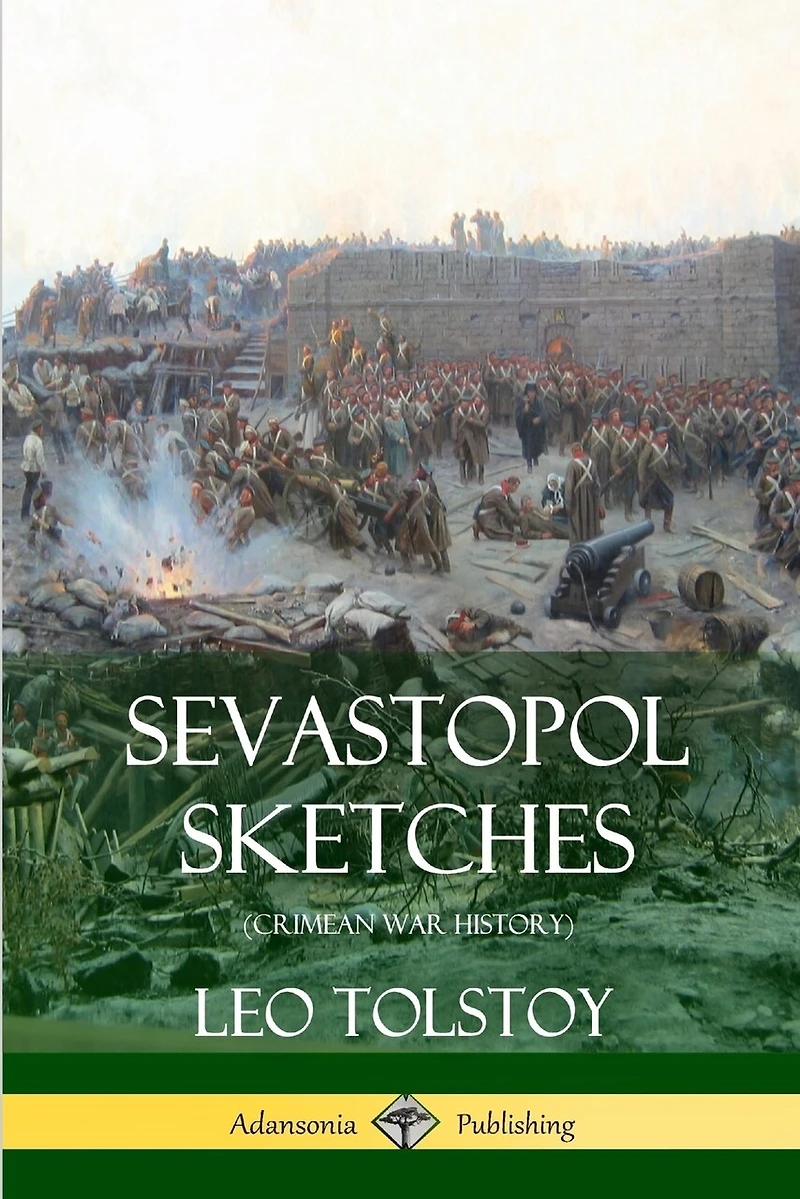
Sevastopol Sketches (Crimean War History)
By None
Current price: $16.95
Coles
Sevastopol Sketches (Crimean War History)
By None
Current price: $16.95
Loading Inventory...
Size: Paperback
*Product information and pricing may vary - to confirm current pricing, availability, shipping, and return information please contact Coles. In the event of a pricing discrepancy, the retailer's price will apply.
In the Sevastopol Sketches, Leo Tolstoy evocatively recollects his experiences at the Siege of Sevastopol in 1854-1855, over the course of three short stories. Although the trio of tales which comprise the Sevastopol Sketches are ostensibly fictional and written in the second person, they accurately recall Tolstoy's experiences as a young man witnessing the Crimean War. All three possess philosophical overtones, with the overarching theme being a vilification of war as a wasteful, senseless and foolish expenditure of human life. The Sevastopol Sketches establish Tolstoy as a pacifist who considered war to be one of the most depraved and lamentable events characterizing mankind. Years after publishing these sketches, Tolstoy would draw upon the Siege of Sevastopol as a critical supplement to the narrative of his epic novel - War and Peace.
In the Sevastopol Sketches, Leo Tolstoy evocatively recollects his experiences at the Siege of Sevastopol in 1854-1855, over the course of three short stories. Although the trio of tales which comprise the Sevastopol Sketches are ostensibly fictional and written in the second person, they accurately recall Tolstoy's experiences as a young man witnessing the Crimean War. All three possess philosophical overtones, with the overarching theme being a vilification of war as a wasteful, senseless and foolish expenditure of human life. The Sevastopol Sketches establish Tolstoy as a pacifist who considered war to be one of the most depraved and lamentable events characterizing mankind. Years after publishing these sketches, Tolstoy would draw upon the Siege of Sevastopol as a critical supplement to the narrative of his epic novel - War and Peace.
You May Also Like












More About Coles at Pine Centre
Shop Coles for bestselling books, toys, stationary, and so much more!
3079 Massey Dr, Prince George, BC V2N 1R4, Canada
Find Coles at Pine Centre in Prince George, BC
Visit Coles at Pine Centre in Prince George, BC
