

Gifting Made Simple
Give the Gift of ChoiceClick below to purchase a Pine Centre eGift Card that can be used at participating retailers at Pine Centre.Purchase HereHome
Representation through Taxation: Revenue, Politics, and Development Postcommunist States
Coles
Loading Inventory...
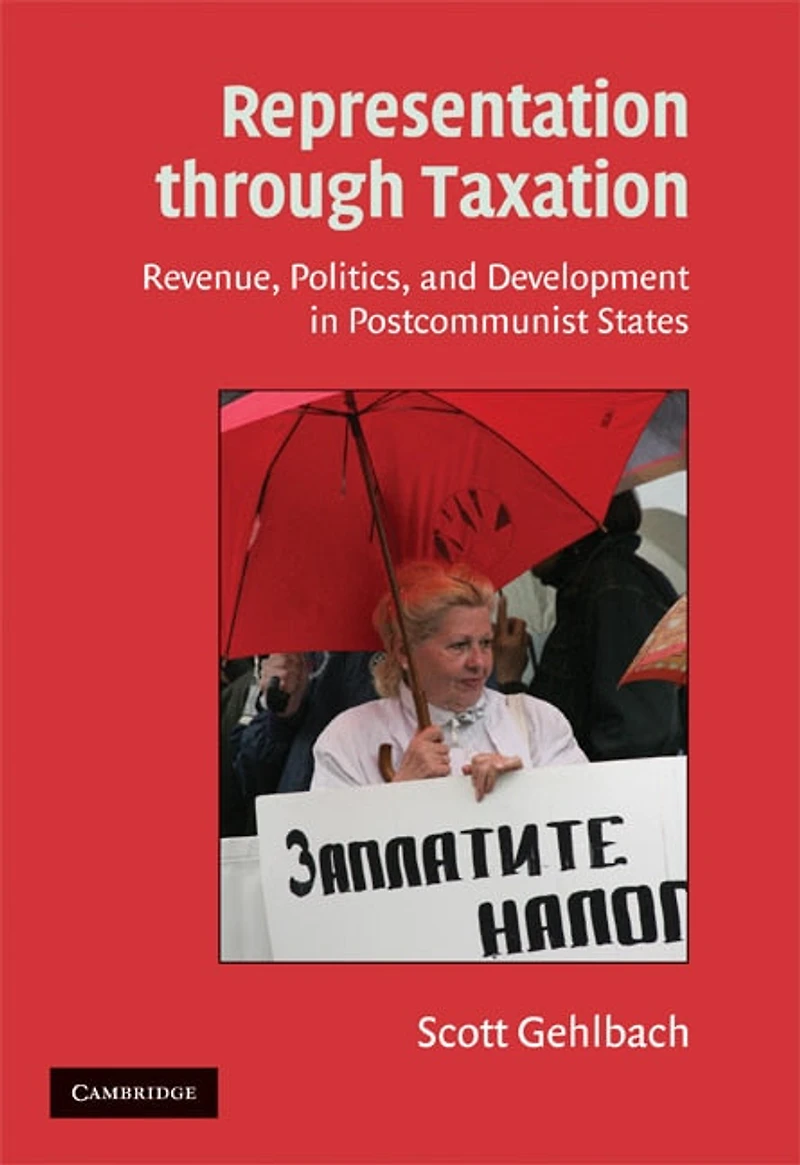
Representation through Taxation: Revenue, Politics, and Development Postcommunist States
By None
Current price: $98.95
Coles
Representation through Taxation: Revenue, Politics, and Development Postcommunist States
By None
Current price: $98.95
Loading Inventory...
Size: Hardcover
*Product information and pricing may vary - to confirm current pricing, availability, shipping, and return information please contact Coles. In the event of a pricing discrepancy, the retailer's price will apply.
Social scientists teach that politicians favor groups that are organized over those that are not. Representation Through Taxation challenges this conventional wisdom. Emphasizing that there are limits to what organized interests can credibly promise in return for favorable treatment, Gehlbach shows that politicians may instead give preference to groups – organized or not – that by their nature happen to take actions that are politically valuable. Gehlbach develops this argument in the context of the postcommunist experience, focusing on the incentive of politicians to promote sectors that are naturally more tax compliant, regardless of their organization. In the former Soviet Union, tax systems were structured around familiar revenue sources, magnifying this incentive and helping to prejudice policy against new private enterprise. In Eastern Europe, in contrast, tax systems were created to cast the revenue net more widely, encouraging politicians to provide the collective goods necessary for new firms to flourish.
Social scientists teach that politicians favor groups that are organized over those that are not. Representation Through Taxation challenges this conventional wisdom. Emphasizing that there are limits to what organized interests can credibly promise in return for favorable treatment, Gehlbach shows that politicians may instead give preference to groups – organized or not – that by their nature happen to take actions that are politically valuable. Gehlbach develops this argument in the context of the postcommunist experience, focusing on the incentive of politicians to promote sectors that are naturally more tax compliant, regardless of their organization. In the former Soviet Union, tax systems were structured around familiar revenue sources, magnifying this incentive and helping to prejudice policy against new private enterprise. In Eastern Europe, in contrast, tax systems were created to cast the revenue net more widely, encouraging politicians to provide the collective goods necessary for new firms to flourish.
You May Also Like










More About Coles at Pine Centre
Shop Coles for bestselling books, toys, stationary, and so much more!
3079 Massey Dr, Prince George, BC V2N 1R4, Canada
Find Coles at Pine Centre in Prince George, BC
Visit Coles at Pine Centre in Prince George, BC
