

Gifting Made Simple
Give the Gift of ChoiceClick below to purchase a Pine Centre eGift Card that can be used at participating retailers at Pine Centre.Purchase HereHome
Relief on the Hoof: Seagoing Cowboys, Heifer Project, and UNRRA Poland
Coles
Loading Inventory...

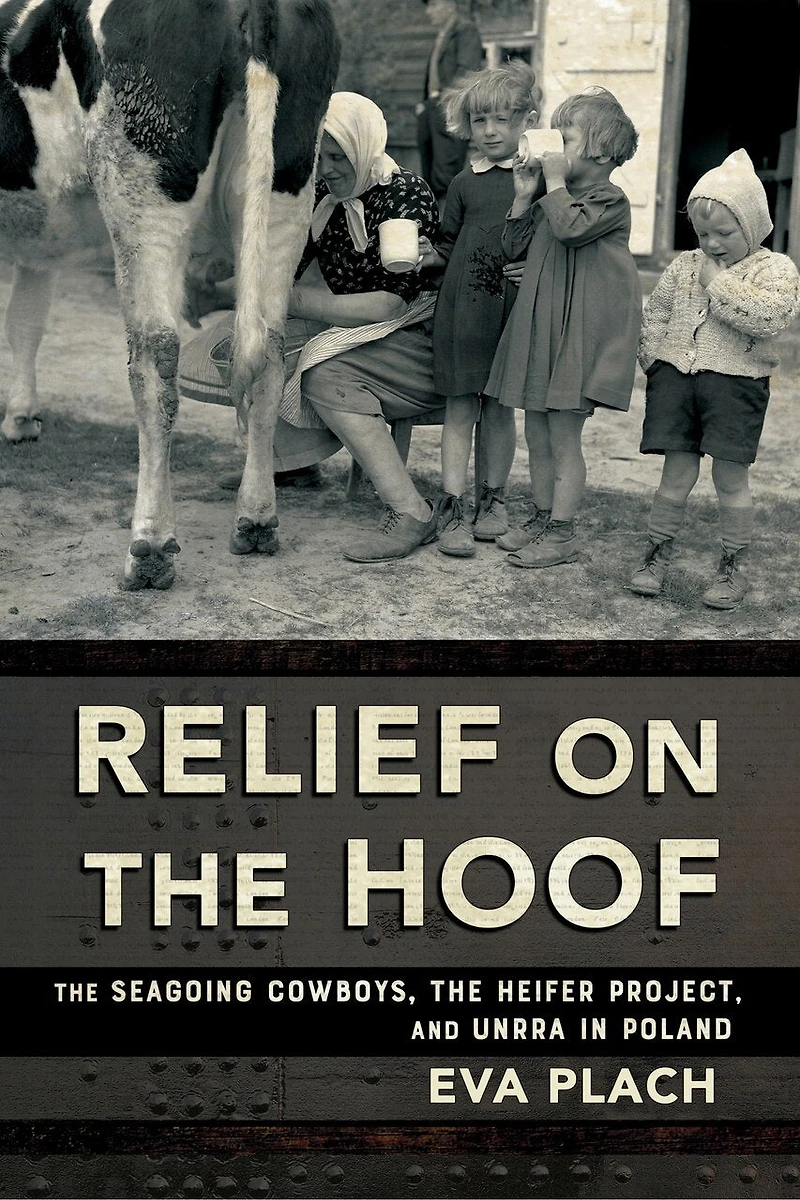


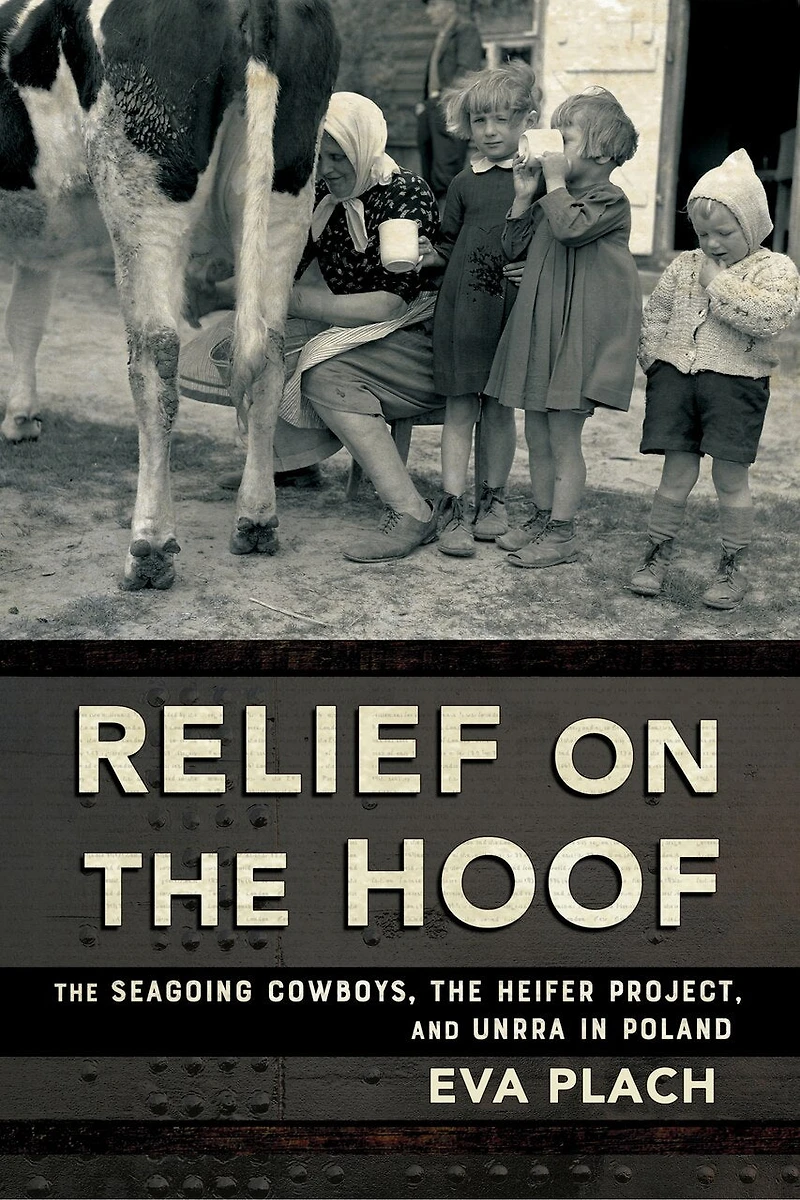
Relief on the Hoof: Seagoing Cowboys, Heifer Project, and UNRRA Poland
By None
Current price: $133.95
Coles
Relief on the Hoof: Seagoing Cowboys, Heifer Project, and UNRRA Poland
By None
Current price: $133.95
Loading Inventory...
Size: Hardcover (2025 A)
*Product information and pricing may vary - to confirm current pricing, availability, shipping, and return information please contact Coles. In the event of a pricing discrepancy, the retailer's price will apply.
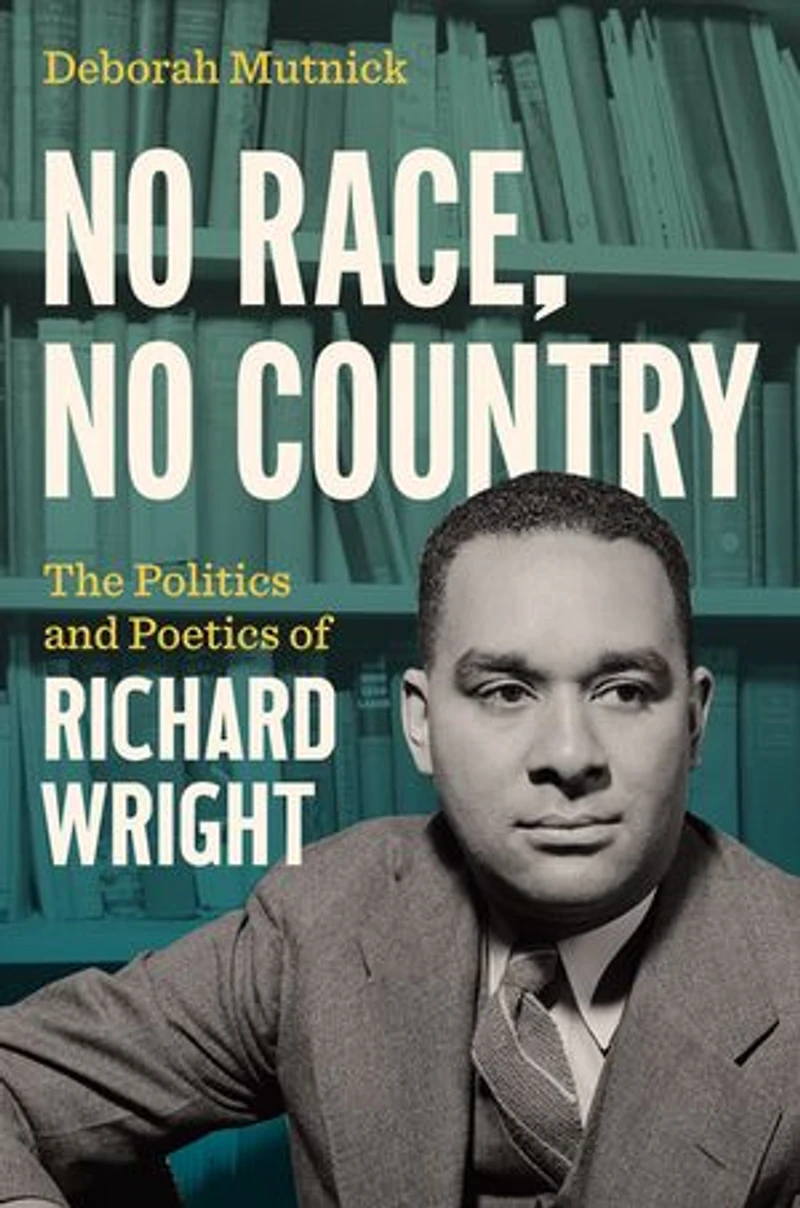
No Race, No Country presents a major reconsideration of the breakthrough African American author Richard Wright’s work and life. It challenges standard evaluations of his reputation as an autodidact, his late novels, his travel books, and his political commitments after he left the Communist Party USA. Deborah Mutnick engages a wide range of Wright’s work throughout his career, providing a nuanced perspective on his complicated gender politics and his serious engagement with Marx’s notions of historical materialism, alienation, and commodity fetishism. Adding to a small but growing number of studies of his ecological consciousness, it also examines both his closeness to nature, especially during his youth and late in life, and his early mapping of a racial geography of the “second nature” of the sociocultural world that overlaps with and transforms the natural world. Finally, it joins a recent surge in scholarship on Wright’s later nonfiction as a progenitor of Black radical internationalism in the 1960s and 1970s.
No Race, No Country presents a major reconsideration of the breakthrough African American author Richard Wright’s work and life. It challenges standard evaluations of his reputation as an autodidact, his late novels, his travel books, and his political commitments after he left the Communist Party USA. Deborah Mutnick engages a wide range of Wright’s work throughout his career, providing a nuanced perspective on his complicated gender politics and his serious engagement with Marx’s notions of historical materialism, alienation, and commodity fetishism. Adding to a small but growing number of studies of his ecological consciousness, it also examines both his closeness to nature, especially during his youth and late in life, and his early mapping of a racial geography of the “second nature” of the sociocultural world that overlaps with and transforms the natural world. Finally, it joins a recent surge in scholarship on Wright’s later nonfiction as a progenitor of Black radical internationalism in the 1960s and 1970s.
You May Also Like
















More About Coles at Pine Centre
Shop Coles for bestselling books, toys, stationary, and so much more!
3079 Massey Dr, Prince George, BC V2N 1R4, Canada
Find Coles at Pine Centre in Prince George, BC
Visit Coles at Pine Centre in Prince George, BC
