

Gifting Made Simple
Give the Gift of ChoiceClick below to purchase a Pine Centre eGift Card that can be used at participating retailers at Pine Centre.Purchase HereHome
Recentering the World: China and Transformation of International Law
Coles
Loading Inventory...
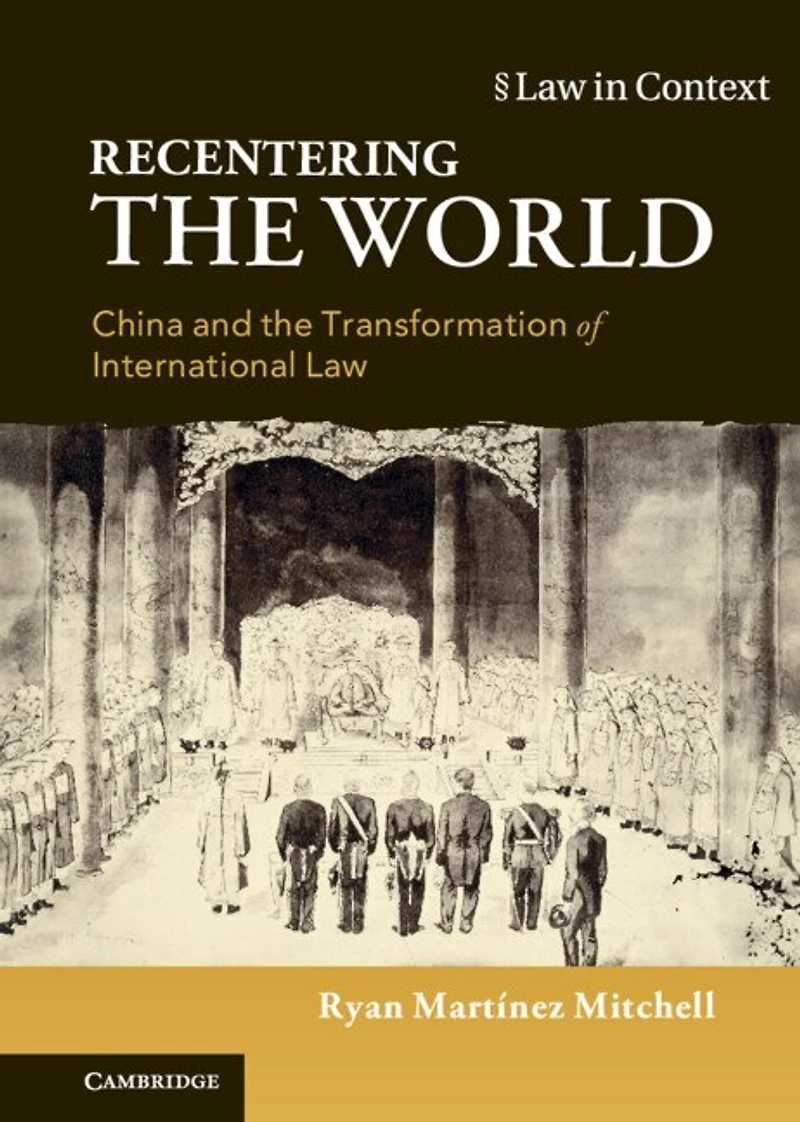
Recentering the World: China and Transformation of International Law
By None
Current price: $160.95
Coles
Recentering the World: China and Transformation of International Law
By None
Current price: $160.95
Loading Inventory...
Size: Hardcover
*Product information and pricing may vary - to confirm current pricing, availability, shipping, and return information please contact Coles. In the event of a pricing discrepancy, the retailer's price will apply.
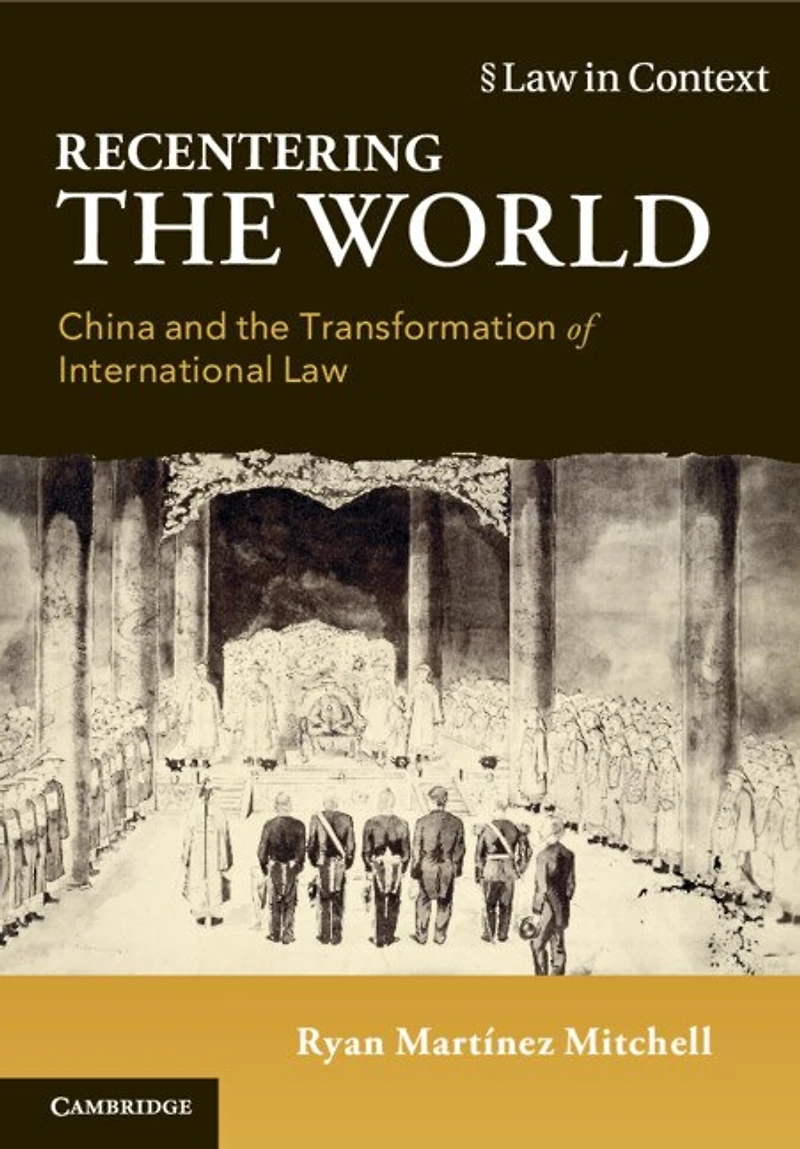
Recentering the World recovers a richly contextual, detailed history of Western-imposed legal structures in China, as well as engagements with international law by Chinese officials, jurists, and citizens. Beginning in the Late Qing era, it shows how international law functioned as a channel for power relations, techniques of economic domination, as well as novel forms of resistance. The book also radically diversifies traditionally Eurocentric accounts of modern international law's origins, demonstrating how, by the mid-twentieth century, Chinese jurists had made major contributions to international organizations and the UN system, the international judiciary, the laws of armed conflict, and more. Drawing on extensive archival research, this book is a valuable guide to China's often conflicted role in international law, its reception and contention of concepts of sovereignty, property, obligation, and autonomy, and its gradual move from the 'periphery' to a shared spot at the 'center' of global legal order.
Recentering the World recovers a richly contextual, detailed history of Western-imposed legal structures in China, as well as engagements with international law by Chinese officials, jurists, and citizens. Beginning in the Late Qing era, it shows how international law functioned as a channel for power relations, techniques of economic domination, as well as novel forms of resistance. The book also radically diversifies traditionally Eurocentric accounts of modern international law's origins, demonstrating how, by the mid-twentieth century, Chinese jurists had made major contributions to international organizations and the UN system, the international judiciary, the laws of armed conflict, and more. Drawing on extensive archival research, this book is a valuable guide to China's often conflicted role in international law, its reception and contention of concepts of sovereignty, property, obligation, and autonomy, and its gradual move from the 'periphery' to a shared spot at the 'center' of global legal order.
You May Also Like










More About Coles at Pine Centre
Shop Coles for bestselling books, toys, stationary, and so much more!
3079 Massey Dr, Prince George, BC V2N 1R4, Canada
Find Coles at Pine Centre in Prince George, BC
Visit Coles at Pine Centre in Prince George, BC
