

Gifting Made Simple
Give the Gift of ChoiceClick below to purchase a Pine Centre eGift Card that can be used at participating retailers at Pine Centre.Purchase HereHome
Principles And Practices Of Corporate Governance: In The Global Economy
Coles
Loading Inventory...
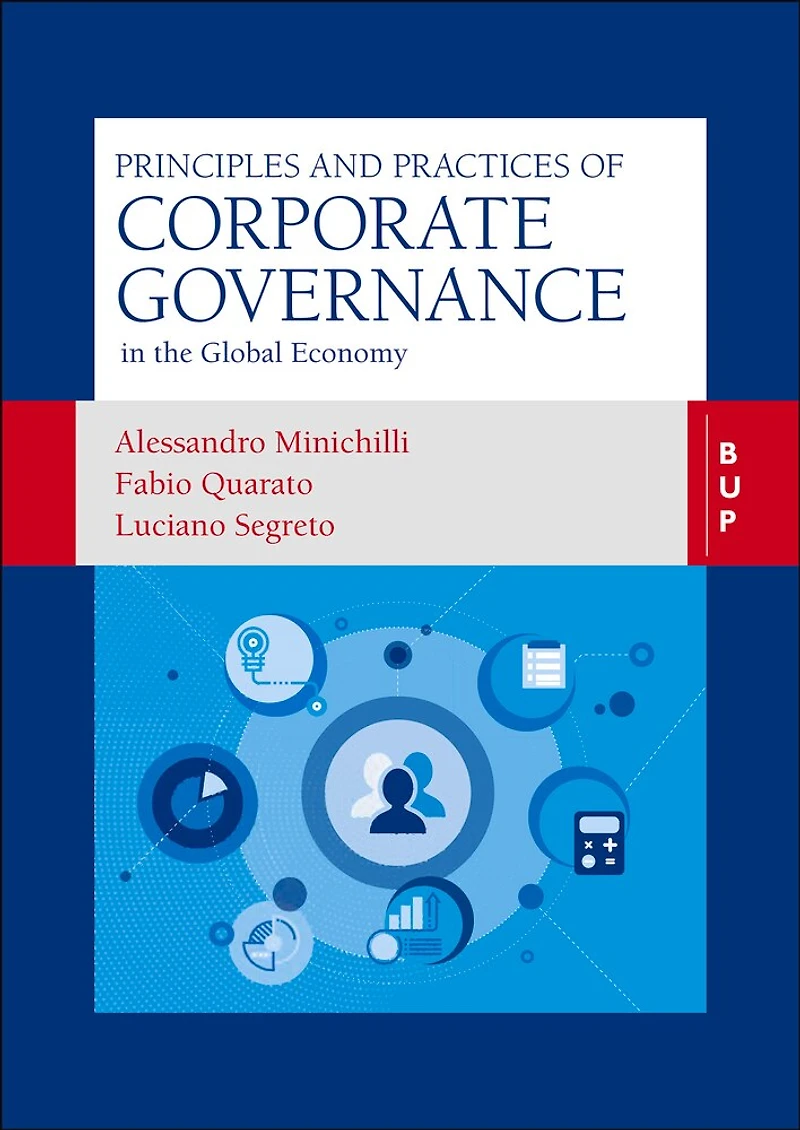
Principles And Practices Of Corporate Governance: In The Global Economy
By None
Current price: $87.95
Coles
Principles And Practices Of Corporate Governance: In The Global Economy
By None
Current price: $87.95
Loading Inventory...
Size: Paperback
*Product information and pricing may vary - to confirm current pricing, availability, shipping, and return information please contact Coles. In the event of a pricing discrepancy, the retailer's price will apply.
The book places ownership at the center of all relevant choices that the company makes: in particular, it addresses the “problem” of governance from the perspective of ownership, and in a broader and more articulated sense than most Anglo-Saxon studies. The authors analyze the relationship between ownership, governance, and corporate strategy, with a dual objective. On the one hand, the aim is to identify the consistency relationships between the governance structure of the company and its results, because of the centrality that it assumes with respect to many of the strategic choices that companies make. On the other hand, the objective is to consider possible variants to the “basic scheme,” going to investigate the role of ownership, governance and management from a contingency perspective, i.e. in different types of enterprise: public companies, multinational enterprises, state-owned enterprises, and especially family-owned enterprises are analyzed. The second part of the book analyzes, in a number of countries, different economic and business systems and their role in defining the type of corporate governance that has emerged.
The book places ownership at the center of all relevant choices that the company makes: in particular, it addresses the “problem” of governance from the perspective of ownership, and in a broader and more articulated sense than most Anglo-Saxon studies. The authors analyze the relationship between ownership, governance, and corporate strategy, with a dual objective. On the one hand, the aim is to identify the consistency relationships between the governance structure of the company and its results, because of the centrality that it assumes with respect to many of the strategic choices that companies make. On the other hand, the objective is to consider possible variants to the “basic scheme,” going to investigate the role of ownership, governance and management from a contingency perspective, i.e. in different types of enterprise: public companies, multinational enterprises, state-owned enterprises, and especially family-owned enterprises are analyzed. The second part of the book analyzes, in a number of countries, different economic and business systems and their role in defining the type of corporate governance that has emerged.
You May Also Like








More About Coles at Pine Centre
Shop Coles for bestselling books, toys, stationary, and so much more!
3079 Massey Dr, Prince George, BC V2N 1R4, Canada
Find Coles at Pine Centre in Prince George, BC
Visit Coles at Pine Centre in Prince George, BC
