

Gifting Made Simple
Give the Gift of ChoiceClick below to purchase a Pine Centre eGift Card that can be used at participating retailers at Pine Centre.Purchase HereHome
Persistent Organic Pollutants (POPs): Monitoring, Impact and Treatment
Coles
Loading Inventory...
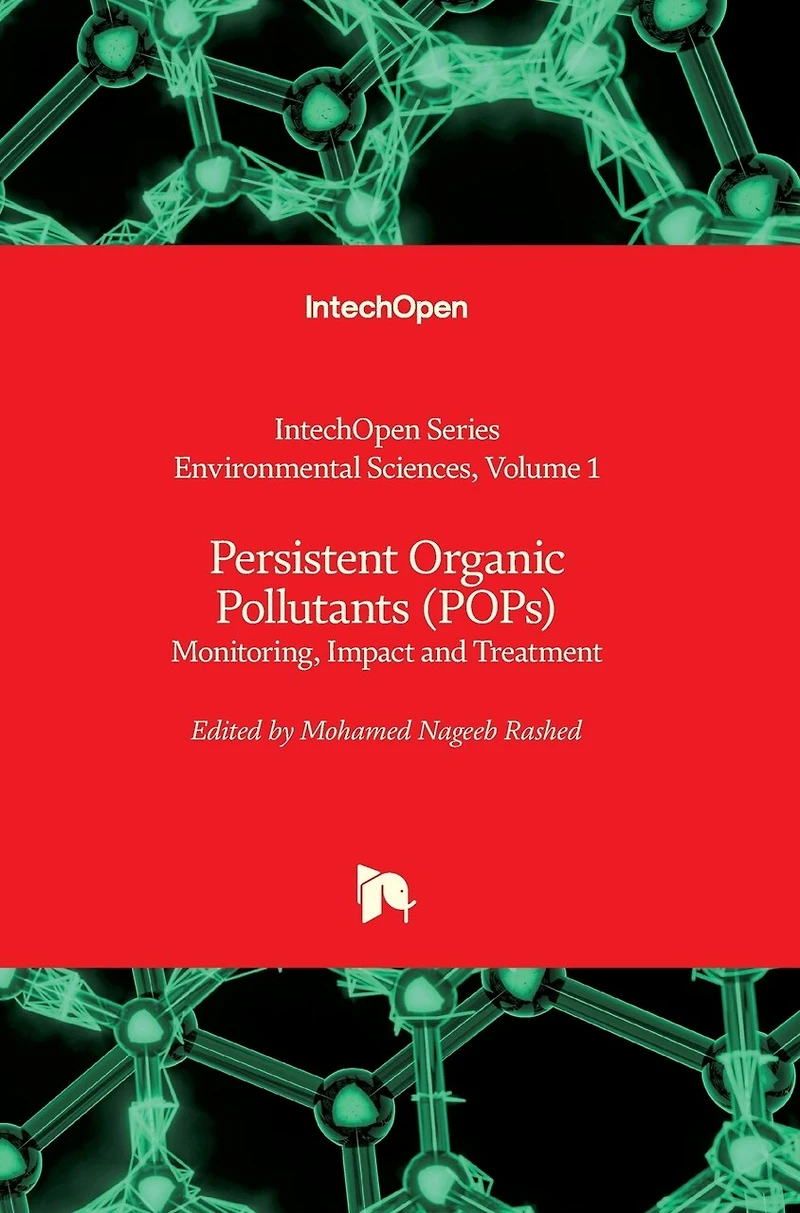
Persistent Organic Pollutants (POPs): Monitoring, Impact and Treatment
By None
Current price: $201.50
Coles
Persistent Organic Pollutants (POPs): Monitoring, Impact and Treatment
By None
Current price: $201.50
Loading Inventory...
Size: Hardcover
*Product information and pricing may vary - to confirm current pricing, availability, shipping, and return information please contact Coles. In the event of a pricing discrepancy, the retailer's price will apply.
Persistent organic pollutants (POPs) are toxic organic compounds that resist environmental degradation through biological, chemical, and photolytic processes. Many POPs are currently used as pesticides, pharmaceuticals, solvents, and industrial chemicals. Because of their persistence, POPs bioaccumulate and adversely affect human health and the environment. Persistent Organic Pollutants (POPs) - Monitoring, Impact and Treatment deals with several aspects of POP monitoring, occurrence, impact, and treatment technologies. The book is divided into two sections containing nine chapters that address such topics as the effect of POPs on wildlife, their role in hepatocarcinogenesis, treatment of POPs in wastewater, and much more.
Persistent organic pollutants (POPs) are toxic organic compounds that resist environmental degradation through biological, chemical, and photolytic processes. Many POPs are currently used as pesticides, pharmaceuticals, solvents, and industrial chemicals. Because of their persistence, POPs bioaccumulate and adversely affect human health and the environment. Persistent Organic Pollutants (POPs) - Monitoring, Impact and Treatment deals with several aspects of POP monitoring, occurrence, impact, and treatment technologies. The book is divided into two sections containing nine chapters that address such topics as the effect of POPs on wildlife, their role in hepatocarcinogenesis, treatment of POPs in wastewater, and much more.
You May Also Like








More About Coles at Pine Centre
Shop Coles for bestselling books, toys, stationary, and so much more!
3079 Massey Dr, Prince George, BC V2N 1R4, Canada
Find Coles at Pine Centre in Prince George, BC
Visit Coles at Pine Centre in Prince George, BC
