
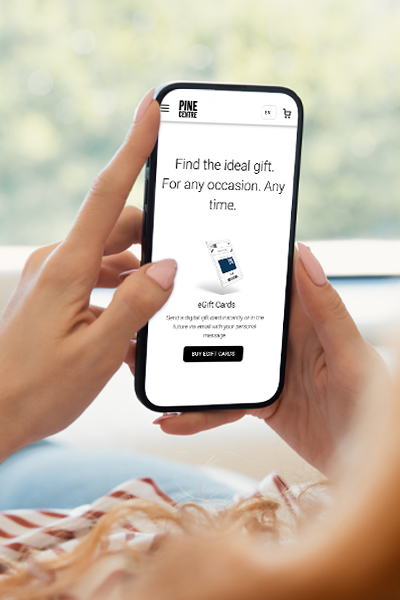
Gifting Made Simple
Give the Gift of ChoiceClick below to purchase a Pine Centre eGift Card that can be used at participating retailers at Pine Centre.Purchase HereHome
Pedagogy: The Question of Impersonation
Coles
Loading Inventory...

Pedagogy: The Question of Impersonation
By None
Current price: $17.59
Original price: $21.99
Coles
Pedagogy: The Question of Impersonation
By None
Current price: $17.59
Original price: $21.99
Loading Inventory...
Size: Kobo eBook
*Product information and pricing may vary - to confirm current pricing, availability, shipping, and return information please contact Coles. In the event of a pricing discrepancy, the retailer's price will apply.
In this anthology, teachers and scholars examine the ways in which teaching is a performance that incorporates acts of impersonation.
Drawn from a conference on classroom dynamics, this anthology explores both the personal and performative aspects of teacher-student relationships. After David Crane's prefatory "postscript," George Otte recommends that students pretend, writing from various perspectives; Indira Karamcheti suggests putting on race as one can put on gender roles. Cheryl Johnson gets personal by playing the "trickster," and Chris Amirault explores the relationship between the teacher and "the good student."
While Karamcheti, Gallop, and Lynne Joyrich use theatrical vehicles to structure their essays, Joseph Litvak, Arthur W. Frank, and Naomi Scheman incorporate performance as examples. Madeleine R. Grumet theorizes pedagogy, while Roger I. Simon suggests that pedagogical roles can be taken on and off at will; Gregory Jay discusses the ethical side of impersonation; and Susan Miller denounces "the personal" as a sham.
In this anthology, teachers and scholars examine the ways in which teaching is a performance that incorporates acts of impersonation.
Drawn from a conference on classroom dynamics, this anthology explores both the personal and performative aspects of teacher-student relationships. After David Crane's prefatory "postscript," George Otte recommends that students pretend, writing from various perspectives; Indira Karamcheti suggests putting on race as one can put on gender roles. Cheryl Johnson gets personal by playing the "trickster," and Chris Amirault explores the relationship between the teacher and "the good student."
While Karamcheti, Gallop, and Lynne Joyrich use theatrical vehicles to structure their essays, Joseph Litvak, Arthur W. Frank, and Naomi Scheman incorporate performance as examples. Madeleine R. Grumet theorizes pedagogy, while Roger I. Simon suggests that pedagogical roles can be taken on and off at will; Gregory Jay discusses the ethical side of impersonation; and Susan Miller denounces "the personal" as a sham.
You May Also Like









More About Coles at Pine Centre
Shop Coles for bestselling books, toys, stationary, and so much more!
3079 Massey Dr, Prince George, BC V2N 1R4, Canada
Find Coles at Pine Centre in Prince George, BC
Visit Coles at Pine Centre in Prince George, BC
