

Gifting Made Simple
Give the Gift of ChoiceClick below to purchase a Pine Centre eGift Card that can be used at participating retailers at Pine Centre.Purchase HereHome
Peace Came the Form of a Woman: Indians and Spaniards Texas Borderlands
Coles
Loading Inventory...
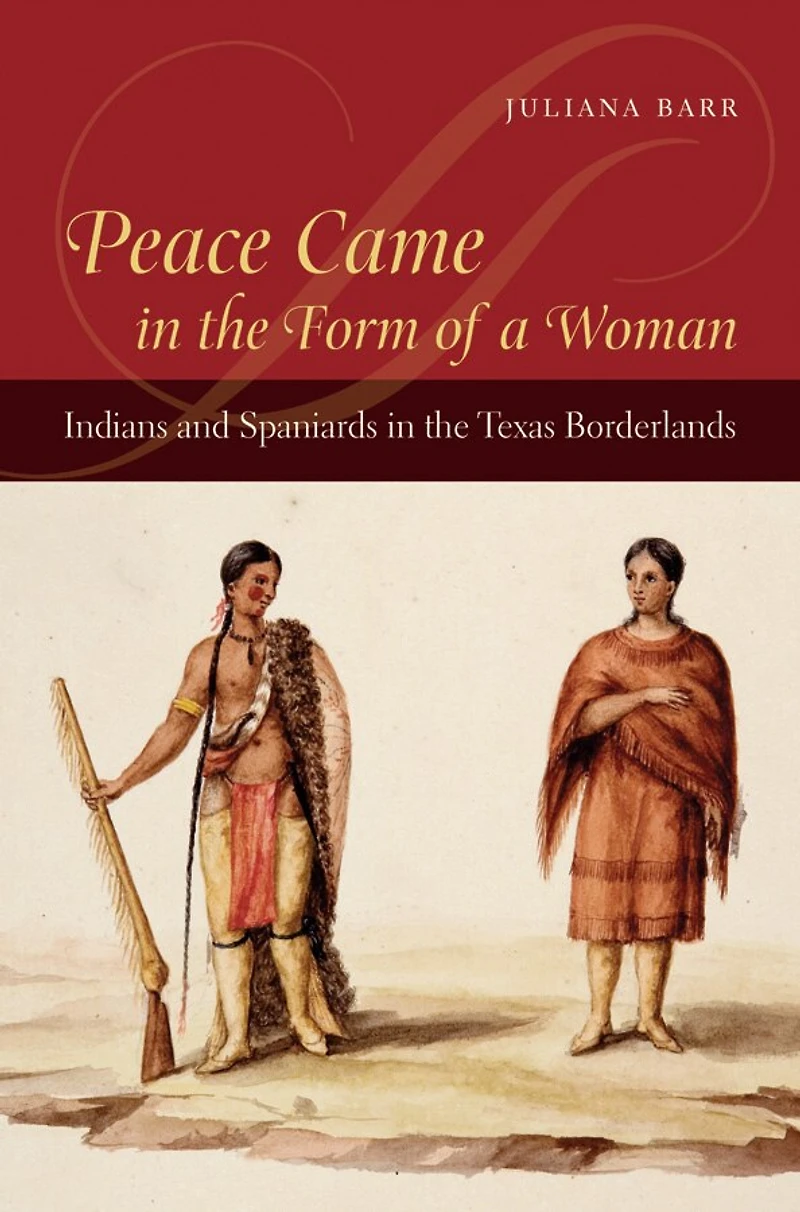
Peace Came the Form of a Woman: Indians and Spaniards Texas Borderlands
By None
Current price: $22.39
Original price: $27.99
Coles
Peace Came the Form of a Woman: Indians and Spaniards Texas Borderlands
By None
Current price: $22.39
Original price: $27.99
Loading Inventory...
Size: Kobo eBook
*Product information and pricing may vary - to confirm current pricing, availability, shipping, and return information please contact Coles. In the event of a pricing discrepancy, the retailer's price will apply.
Revising the standard narrative of European-Indian relations in America, Juliana Barr reconstructs a world in which Indians were the dominant power and Europeans were the ones forced to accommodate, resist, and persevere. She demonstrates that between the 1690s and 1780s, Indian peoples including Caddos, Apaches, Payayas, Karankawas, Wichitas, and Comanches formed relationships with Spaniards in Texas that refuted European claims of imperial control.Barr argues that Indians not only retained control over their territories but also imposed control over Spaniards. Instead of being defined in racial terms, as was often the case with European constructions of power, diplomatic relations between the Indians and Spaniards in the region were dictated by Indian expressions of power, grounded in gendered terms of kinship. By examining six realms of encounter — first contact, settlement and intermarriage, mission life, warfare, diplomacy, and captivity — Barr shows that native categories of gender provided the political structure of Indian-Spanish relations by defining people’s identity, status, and obligations vis-à-vis others. Because native systems of kin-based social and political order predominated, argues Barr, Indian concepts of gender cut across European perceptions of racial difference.
Revising the standard narrative of European-Indian relations in America, Juliana Barr reconstructs a world in which Indians were the dominant power and Europeans were the ones forced to accommodate, resist, and persevere. She demonstrates that between the 1690s and 1780s, Indian peoples including Caddos, Apaches, Payayas, Karankawas, Wichitas, and Comanches formed relationships with Spaniards in Texas that refuted European claims of imperial control.Barr argues that Indians not only retained control over their territories but also imposed control over Spaniards. Instead of being defined in racial terms, as was often the case with European constructions of power, diplomatic relations between the Indians and Spaniards in the region were dictated by Indian expressions of power, grounded in gendered terms of kinship. By examining six realms of encounter — first contact, settlement and intermarriage, mission life, warfare, diplomacy, and captivity — Barr shows that native categories of gender provided the political structure of Indian-Spanish relations by defining people’s identity, status, and obligations vis-à-vis others. Because native systems of kin-based social and political order predominated, argues Barr, Indian concepts of gender cut across European perceptions of racial difference.
You May Also Like










More About Coles at Pine Centre
Shop Coles for bestselling books, toys, stationary, and so much more!
3079 Massey Dr, Prince George, BC V2N 1R4, Canada
Find Coles at Pine Centre in Prince George, BC
Visit Coles at Pine Centre in Prince George, BC
