

Gifting Made Simple
Give the Gift of ChoiceClick below to purchase a Pine Centre eGift Card that can be used at participating retailers at Pine Centre.Purchase HereHome
Party Ballots, Reform, and the Transformation of America's Electoral System
Coles
Loading Inventory...
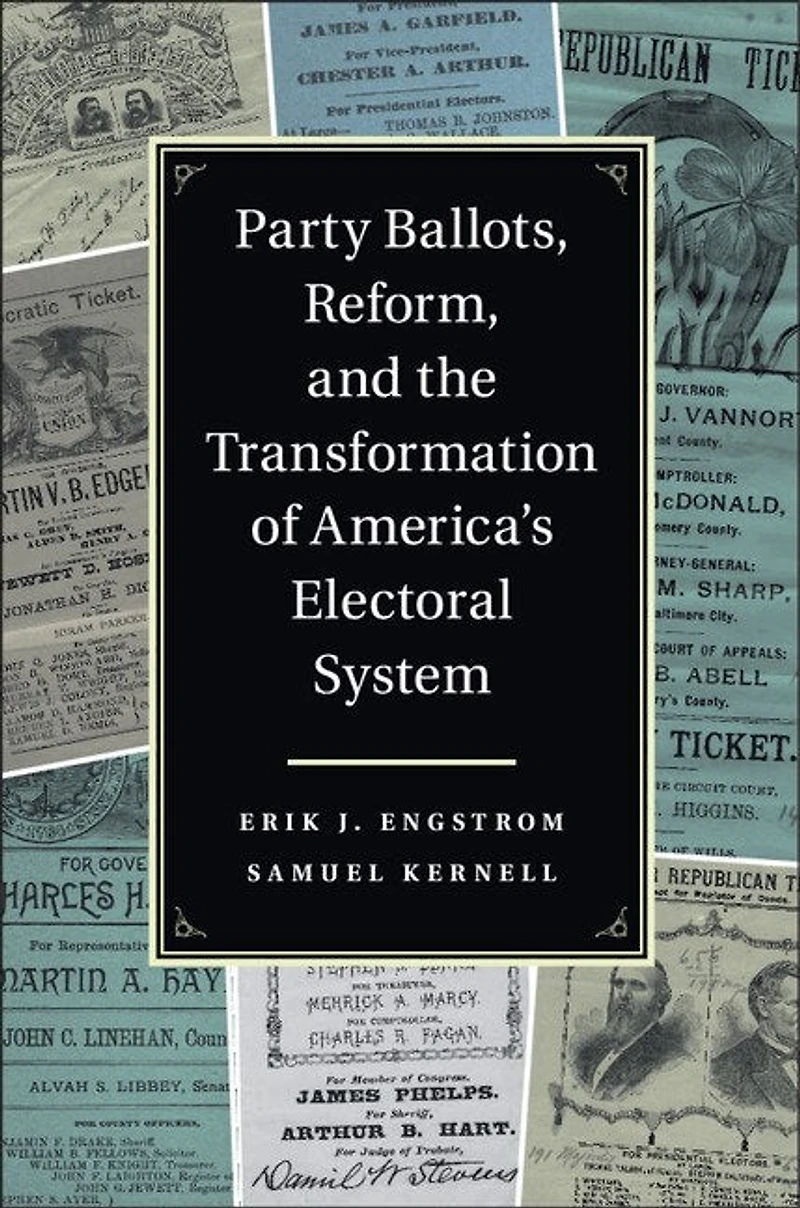
Party Ballots, Reform, and the Transformation of America's Electoral System
By None
Current price: $137.95
Coles
Party Ballots, Reform, and the Transformation of America's Electoral System
By None
Current price: $137.95
Loading Inventory...
Size: Hardcover
*Product information and pricing may vary - to confirm current pricing, availability, shipping, and return information please contact Coles. In the event of a pricing discrepancy, the retailer's price will apply.
This book explores the fascinating and puzzling world of nineteenth- and early-twentieth-century American elections. It examines the strategic behavior of nineteenth-century party politicians and shows how their search for electoral victory led them to invent a number of remarkable campaign practices. Why were parties dedicated to massive voter mobilization? Why did presidential nominees wage front-porch campaigns? Why did officeholders across the country tie their electoral fortunes to the popularity of presidential candidates at the top of the ticket? Erik J. Engstrom and Samuel Kernell demonstrate that the defining features of nineteenth-century electoral politics were the product of institutions in the states that prescribed how votes were cast and how those votes were converted into political offices. Relying on a century's worth of original data, this book uncovers the forces propelling the nineteenth-century electoral system, its transformation at the end of the nineteenth century, and the implications of that transformation for modern American politics.
This book explores the fascinating and puzzling world of nineteenth- and early-twentieth-century American elections. It examines the strategic behavior of nineteenth-century party politicians and shows how their search for electoral victory led them to invent a number of remarkable campaign practices. Why were parties dedicated to massive voter mobilization? Why did presidential nominees wage front-porch campaigns? Why did officeholders across the country tie their electoral fortunes to the popularity of presidential candidates at the top of the ticket? Erik J. Engstrom and Samuel Kernell demonstrate that the defining features of nineteenth-century electoral politics were the product of institutions in the states that prescribed how votes were cast and how those votes were converted into political offices. Relying on a century's worth of original data, this book uncovers the forces propelling the nineteenth-century electoral system, its transformation at the end of the nineteenth century, and the implications of that transformation for modern American politics.
You May Also Like











More About Coles at Pine Centre
Shop Coles for bestselling books, toys, stationary, and so much more!
3079 Massey Dr, Prince George, BC V2N 1R4, Canada
Find Coles at Pine Centre in Prince George, BC
Visit Coles at Pine Centre in Prince George, BC
