

Gifting Made Simple
Give the Gift of ChoiceClick below to purchase a Pine Centre eGift Card that can be used at participating retailers at Pine Centre.Purchase HereHome
Narratives of Victimhood and Perpetration: the Struggle Bosnian Rwandan Diaspora Communities United States
Coles
Loading Inventory...
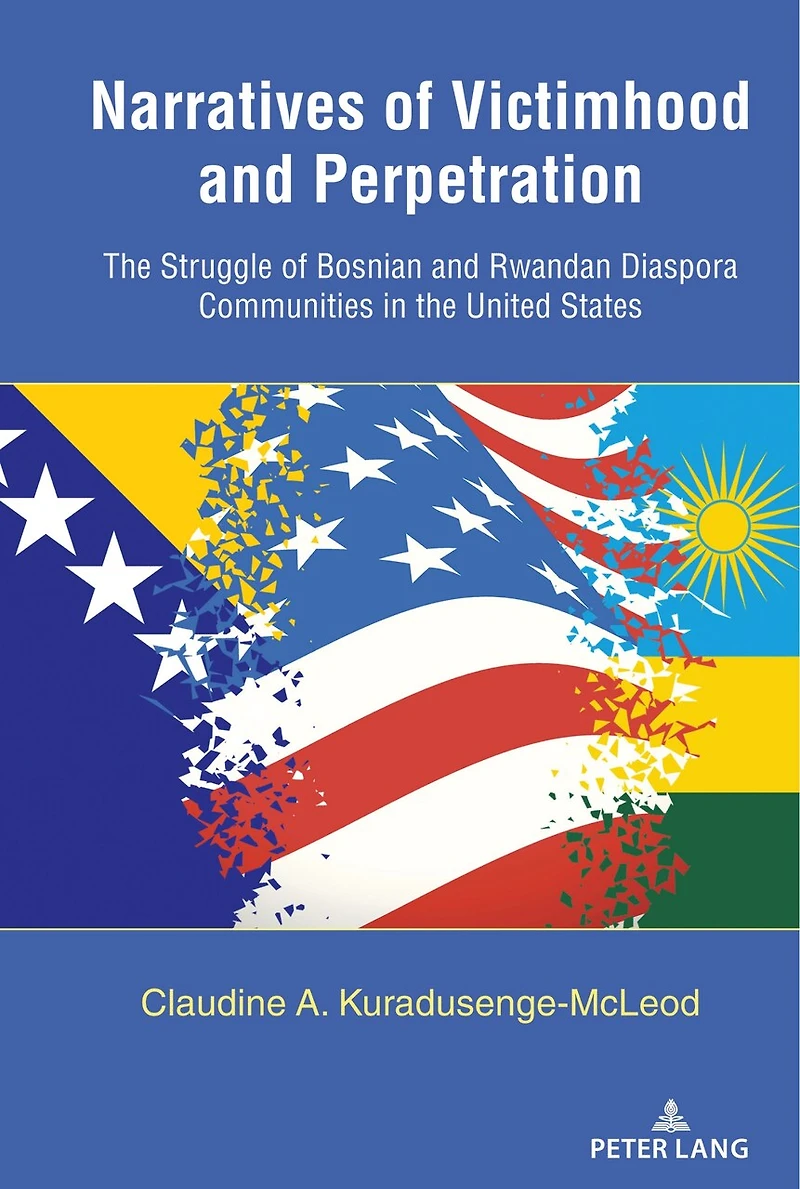
Narratives of Victimhood and Perpetration: the Struggle Bosnian Rwandan Diaspora Communities United States
By None
Current price: $144.55
Coles
Narratives of Victimhood and Perpetration: the Struggle Bosnian Rwandan Diaspora Communities United States
By None
Current price: $144.55
Loading Inventory...
Size: Hardcover
*Product information and pricing may vary - to confirm current pricing, availability, shipping, and return information please contact Coles. In the event of a pricing discrepancy, the retailer's price will apply.
The book concentrates on the construction of the trans-generational understanding of the labels of victim and perpetrator in contemporary society, investigating their impact on the diasporic consciousness of Rwandan and Bosnian communities in the United States, as well as their political participation and involvement. The book challenges the common assumption that the notion of trauma belongs almost exclusively to the victim, often leaving descendants of the perpetrator ignored and blamed through multiple generations. The comprehensive analysis in this book is rooted in both the author’s experience as a survivor of genocide and her deep understanding of the various social and political dynamics that shape the lives of immigrant communities.
The book concentrates on the construction of the trans-generational understanding of the labels of victim and perpetrator in contemporary society, investigating their impact on the diasporic consciousness of Rwandan and Bosnian communities in the United States, as well as their political participation and involvement. The book challenges the common assumption that the notion of trauma belongs almost exclusively to the victim, often leaving descendants of the perpetrator ignored and blamed through multiple generations. The comprehensive analysis in this book is rooted in both the author’s experience as a survivor of genocide and her deep understanding of the various social and political dynamics that shape the lives of immigrant communities.
You May Also Like











More About Coles at Pine Centre
Shop Coles for bestselling books, toys, stationary, and so much more!
3079 Massey Dr, Prince George, BC V2N 1R4, Canada
Find Coles at Pine Centre in Prince George, BC
Visit Coles at Pine Centre in Prince George, BC
