

Gifting Made Simple
Give the Gift of ChoiceClick below to purchase a Pine Centre eGift Card that can be used at participating retailers at Pine Centre.Purchase HereHome
Melchioro de Barberis & Giacomo Gorzanis: Music of the Italian Renaissance For the Low G Ukulele
Coles
Loading Inventory...
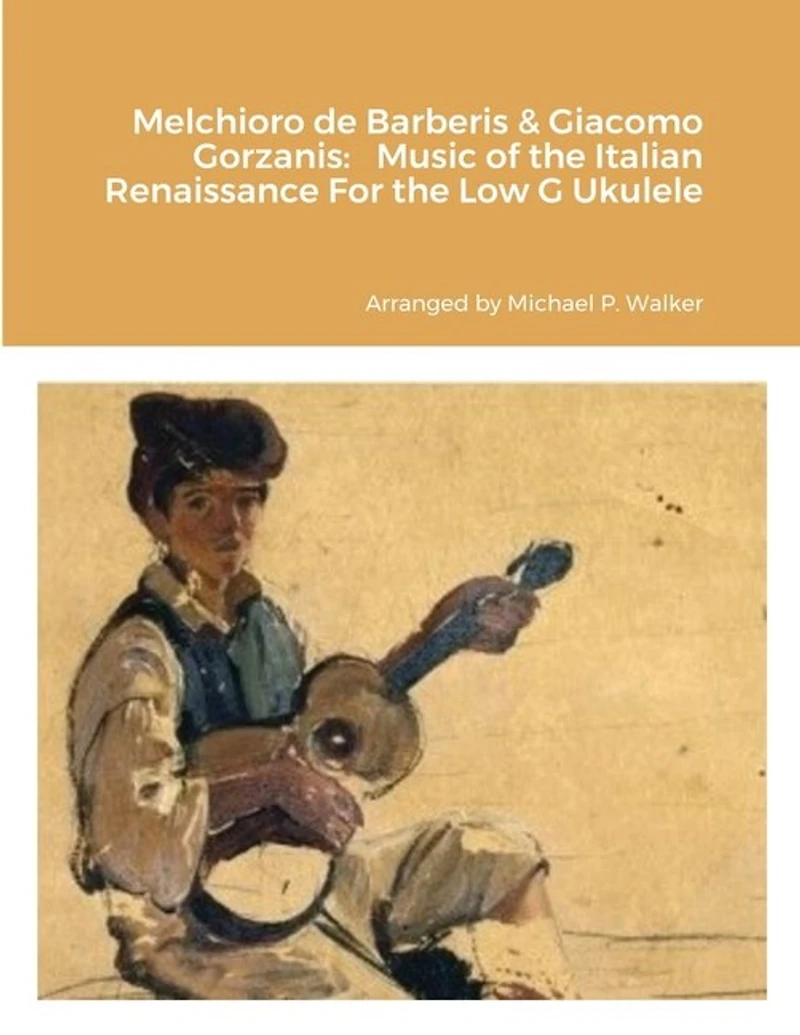
Melchioro de Barberis & Giacomo Gorzanis: Music of the Italian Renaissance For the Low G Ukulele
By None
Current price: $39.50
Coles
Melchioro de Barberis & Giacomo Gorzanis: Music of the Italian Renaissance For the Low G Ukulele
By None
Current price: $39.50
Loading Inventory...
Size: Paperback
*Product information and pricing may vary - to confirm current pricing, availability, shipping, and return information please contact Coles. In the event of a pricing discrepancy, the retailer's price will apply.
Melchior de Barberis (1500-1549) was an Italian lutenist and composer.His book "Opera Intitolata Contina" was published in Venice in 1549. Most of the book is dedicated to the lute, but the final few pages of the book contain 4 pieces (fantasias) for the renaissance guitar. Barberis refers to the instrument as the chitara da sette corde (guitar with seven strings). Giacomo Gorzanis, (1525 - 1578), was a lute virtuoso, blind, and possibly a member of the nobility. He was born in Apulia, near Naples, and probably trained at the Spanish court in Bari. Gorzanis traveled to Austria where he became a citizen and where he published four collections of lute tablature and two collections of Neapolitan lute songs.
Melchior de Barberis (1500-1549) was an Italian lutenist and composer.His book "Opera Intitolata Contina" was published in Venice in 1549. Most of the book is dedicated to the lute, but the final few pages of the book contain 4 pieces (fantasias) for the renaissance guitar. Barberis refers to the instrument as the chitara da sette corde (guitar with seven strings). Giacomo Gorzanis, (1525 - 1578), was a lute virtuoso, blind, and possibly a member of the nobility. He was born in Apulia, near Naples, and probably trained at the Spanish court in Bari. Gorzanis traveled to Austria where he became a citizen and where he published four collections of lute tablature and two collections of Neapolitan lute songs.
You May Also Like







More About Coles at Pine Centre
Shop Coles for bestselling books, toys, stationary, and so much more!
3079 Massey Dr, Prince George, BC V2N 1R4, Canada
Find Coles at Pine Centre in Prince George, BC
Visit Coles at Pine Centre in Prince George, BC
