

Gifting Made Simple
Give the Gift of ChoiceClick below to purchase a Pine Centre eGift Card that can be used at participating retailers at Pine Centre.Purchase HereHome
Mammon and The Pursuit of Empire: Political Economy British Imperialism, 1860–1912
Coles
Loading Inventory...
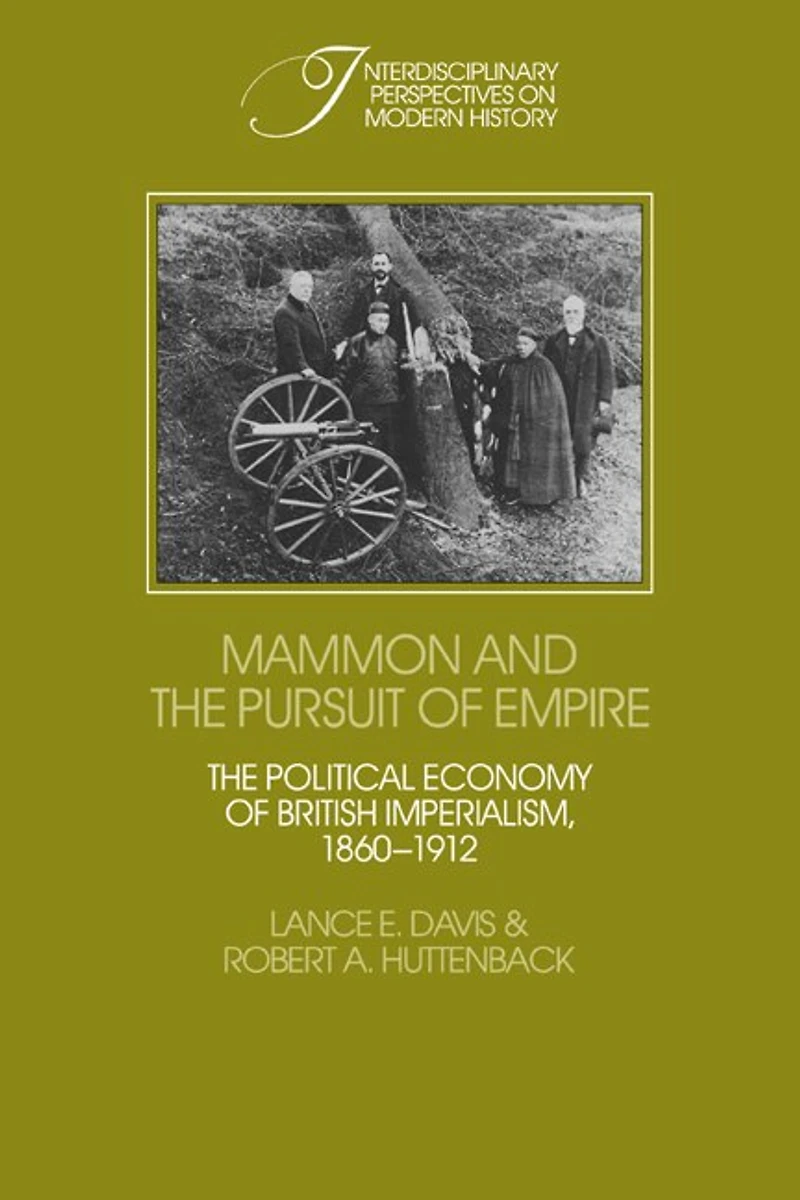
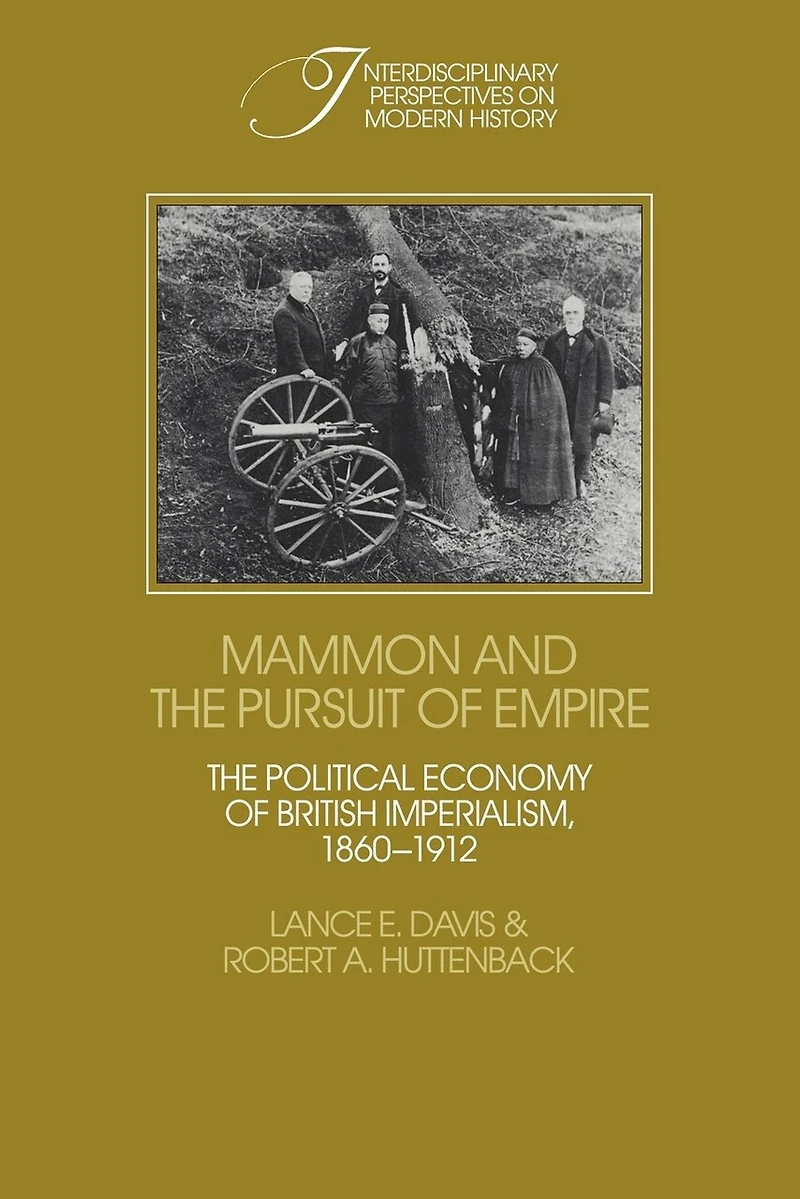
Mammon and The Pursuit of Empire: Political Economy British Imperialism, 1860–1912
By None
Current price: $211.95
Coles
Mammon and The Pursuit of Empire: Political Economy British Imperialism, 1860–1912
By None
Current price: $211.95
Loading Inventory...
Size: Hardcover
*Product information and pricing may vary - to confirm current pricing, availability, shipping, and return information please contact Coles. In the event of a pricing discrepancy, the retailer's price will apply.
Historians have so far made few attempts to assess directly the costs and benefits of Britain's investment in empire. This book presents answers to some of the key questions about the economics of imperialism: how large was the flow of finance to the empire? How great were the profits on empire investment? What were the social costs of maintaining the empire? Who received the profits, and who bore the costs? The authors show that colonial finance did not dominate British capital markets; returns from empire investment were not high in comparison to earnings in the domestic and foreign sectors; there is no evidence of continued exploitative profits; and empire profits were earned at a substantial cost to the taxpayer. They depict British imperialism as a mechanism to effect an income transfer from the tax-paying middle class to the elites in which the ownership of imperial enterprise was heavily concentrated, with some slight net transfer to the colonies in the process.
Historians have so far made few attempts to assess directly the costs and benefits of Britain's investment in empire. This book presents answers to some of the key questions about the economics of imperialism: how large was the flow of finance to the empire? How great were the profits on empire investment? What were the social costs of maintaining the empire? Who received the profits, and who bore the costs? The authors show that colonial finance did not dominate British capital markets; returns from empire investment were not high in comparison to earnings in the domestic and foreign sectors; there is no evidence of continued exploitative profits; and empire profits were earned at a substantial cost to the taxpayer. They depict British imperialism as a mechanism to effect an income transfer from the tax-paying middle class to the elites in which the ownership of imperial enterprise was heavily concentrated, with some slight net transfer to the colonies in the process.
You May Also Like








More About Coles at Pine Centre
Shop Coles for bestselling books, toys, stationary, and so much more!
3079 Massey Dr, Prince George, BC V2N 1R4, Canada
Find Coles at Pine Centre in Prince George, BC
Visit Coles at Pine Centre in Prince George, BC
