

Gifting Made Simple
Give the Gift of ChoiceClick below to purchase a Pine Centre eGift Card that can be used at participating retailers at Pine Centre.Purchase HereHome
Law, Medicine and Engineering in the Cult of the Saints in Counter-Reformation Rome: The Hagiographical Works of Antonio Gallonio, 1556-1605
Coles
Loading Inventory...
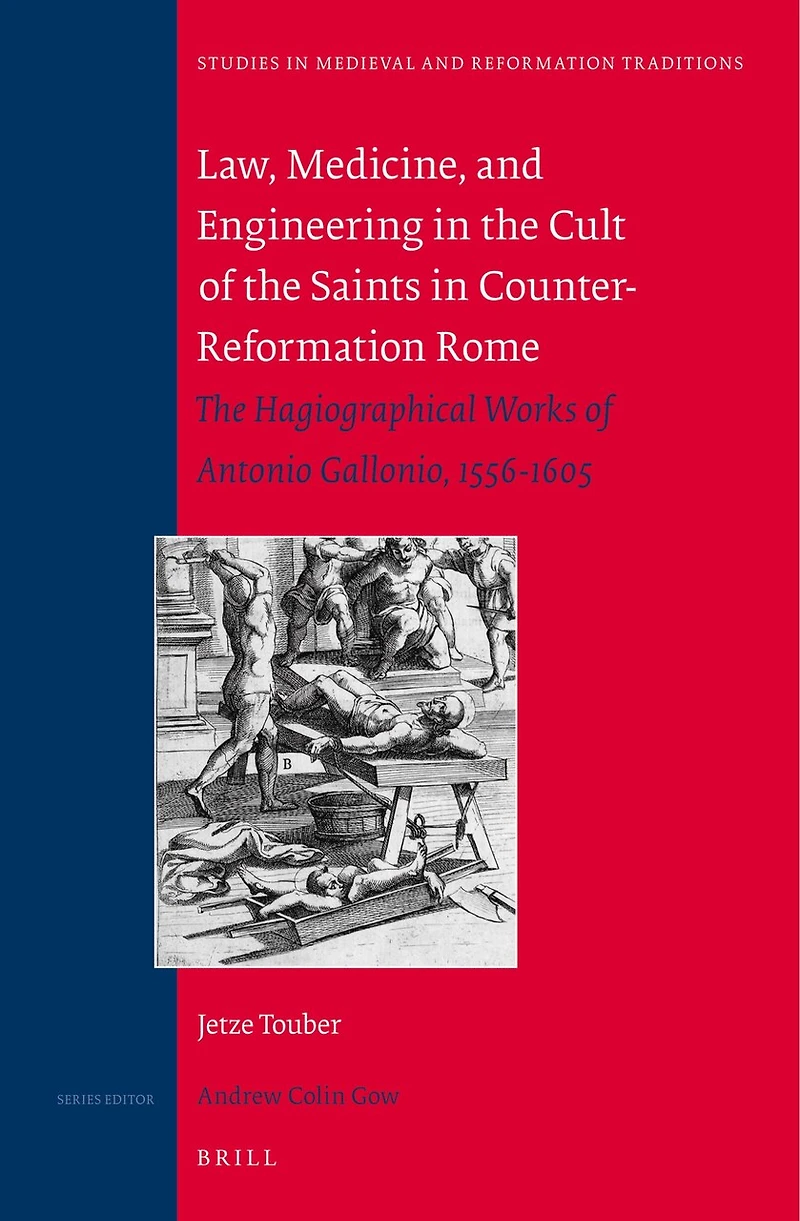
Law, Medicine and Engineering in the Cult of the Saints in Counter-Reformation Rome: The Hagiographical Works of Antonio Gallonio, 1556-1605
By None
Current price: $253.99
Coles
Law, Medicine and Engineering in the Cult of the Saints in Counter-Reformation Rome: The Hagiographical Works of Antonio Gallonio, 1556-1605
By None
Current price: $253.99
Loading Inventory...
Size: Hardcover
*Product information and pricing may vary - to confirm current pricing, availability, shipping, and return information please contact Coles. In the event of a pricing discrepancy, the retailer's price will apply.
The Oratorian priest Antonio Gallonio (1556-1605) devoted his life to writing about saints. The thread running through his hagiographical oeuvre was renunciation of this world: humility, subservience and endurance. Yet he engaged with the expertise of lay people, jurists, physicians and engineers, so as to appeal to their interests and convert them. In order to emphasize how saints endured torture, healed disease and exercised piety rather than ingenuity, Gallonio ventured into those secular disciplines, even if he did not endorse them. This book surveys Gallonio’s published and unpublished works and his position in Roman society, to expose the tensions between a theocratic clergy and the self-assertion of skilled and scholarly professionals in the Italian Counter-Reformation.
The Oratorian priest Antonio Gallonio (1556-1605) devoted his life to writing about saints. The thread running through his hagiographical oeuvre was renunciation of this world: humility, subservience and endurance. Yet he engaged with the expertise of lay people, jurists, physicians and engineers, so as to appeal to their interests and convert them. In order to emphasize how saints endured torture, healed disease and exercised piety rather than ingenuity, Gallonio ventured into those secular disciplines, even if he did not endorse them. This book surveys Gallonio’s published and unpublished works and his position in Roman society, to expose the tensions between a theocratic clergy and the self-assertion of skilled and scholarly professionals in the Italian Counter-Reformation.
You May Also Like















More About Coles at Pine Centre
Shop Coles for bestselling books, toys, stationary, and so much more!
3079 Massey Dr, Prince George, BC V2N 1R4, Canada
Find Coles at Pine Centre in Prince George, BC
Visit Coles at Pine Centre in Prince George, BC
