

Gifting Made Simple
Give the Gift of ChoiceClick below to purchase a Pine Centre eGift Card that can be used at participating retailers at Pine Centre.Purchase HereHome
Key Regulatory Initiatives in Eu Sustainable Banking: Exploring Sustainability Risk Management in the Eu Banking Industry
Coles
Loading Inventory...
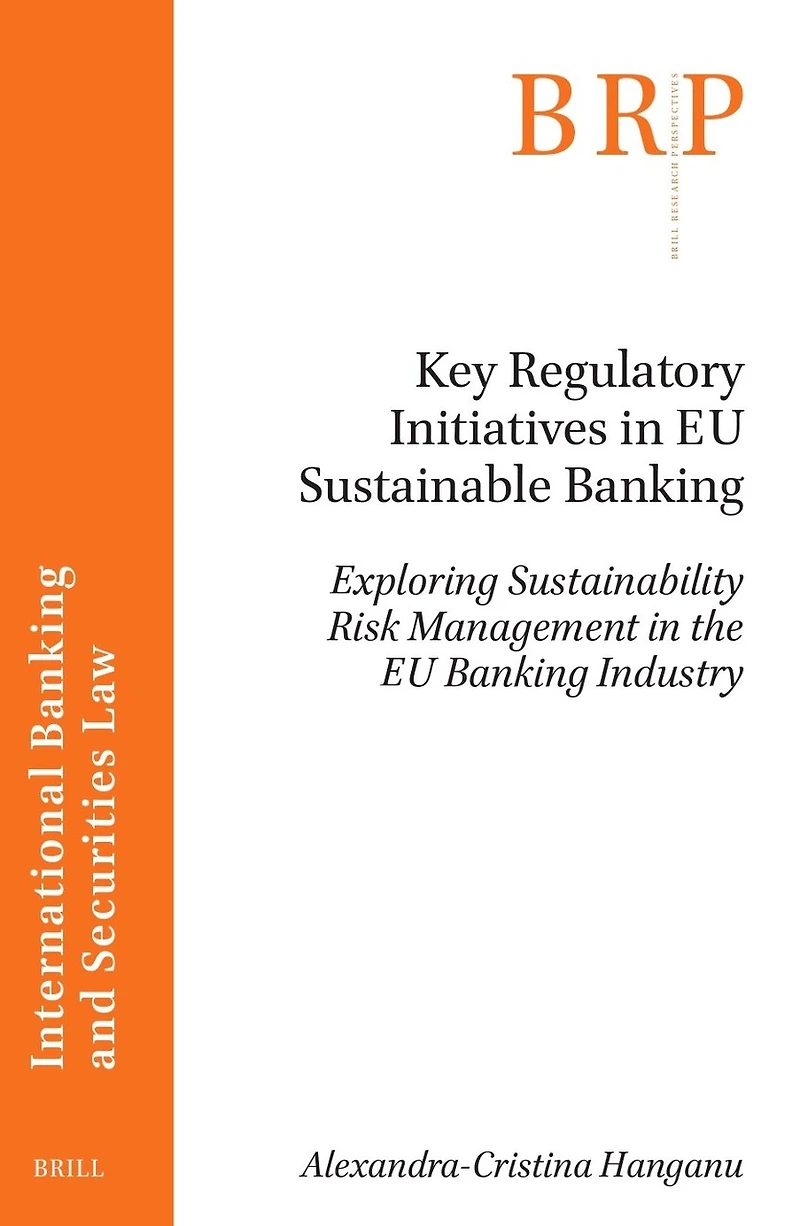
Key Regulatory Initiatives in Eu Sustainable Banking: Exploring Sustainability Risk Management in the Eu Banking Industry
By None
Current price: $109.99
Coles
Key Regulatory Initiatives in Eu Sustainable Banking: Exploring Sustainability Risk Management in the Eu Banking Industry
By None
Current price: $109.99
Loading Inventory...
Size: Paperback
*Product information and pricing may vary - to confirm current pricing, availability, shipping, and return information please contact Coles. In the event of a pricing discrepancy, the retailer's price will apply.
With temperature exhibiting a growing trend and posing threats to future generations, the Paris Agreement set a cap level of no more than 2°C for the temperature increase, emphasizing the need for cross-national participation to combat climate change. At the European level, the European Commission pledged to make Europe achieve carbon neutrality by mid-century. However, to deliver on its commitment, extensive financial support and engagement from both private and public-sector players were acknowledged as requisites. Therefore, through their funding mechanism, banks assumed a leading role in financing the transition to a green economy. However, a new challenge of systemic nature – i.e. ESG risks – emerged, gaining regulatory attention and subsequently triggering numerous regulatory reforms. Therefore, this study explores the current European regulatory environment addressing sustainability, aiming to identify whether such regulatory frameworks can be considered a strategic opportunity, or contrastingly, a strategic burden for credit institutions.
With temperature exhibiting a growing trend and posing threats to future generations, the Paris Agreement set a cap level of no more than 2°C for the temperature increase, emphasizing the need for cross-national participation to combat climate change. At the European level, the European Commission pledged to make Europe achieve carbon neutrality by mid-century. However, to deliver on its commitment, extensive financial support and engagement from both private and public-sector players were acknowledged as requisites. Therefore, through their funding mechanism, banks assumed a leading role in financing the transition to a green economy. However, a new challenge of systemic nature – i.e. ESG risks – emerged, gaining regulatory attention and subsequently triggering numerous regulatory reforms. Therefore, this study explores the current European regulatory environment addressing sustainability, aiming to identify whether such regulatory frameworks can be considered a strategic opportunity, or contrastingly, a strategic burden for credit institutions.
You May Also Like









More About Coles at Pine Centre
Shop Coles for bestselling books, toys, stationary, and so much more!
3079 Massey Dr, Prince George, BC V2N 1R4, Canada
Find Coles at Pine Centre in Prince George, BC
Visit Coles at Pine Centre in Prince George, BC
