

Gifting Made Simple
Give the Gift of ChoiceClick below to purchase a Pine Centre eGift Card that can be used at participating retailers at Pine Centre.Purchase HereHome
Jesus and the People of God: Reconfiguring Ethnic Identity
Coles
Loading Inventory...
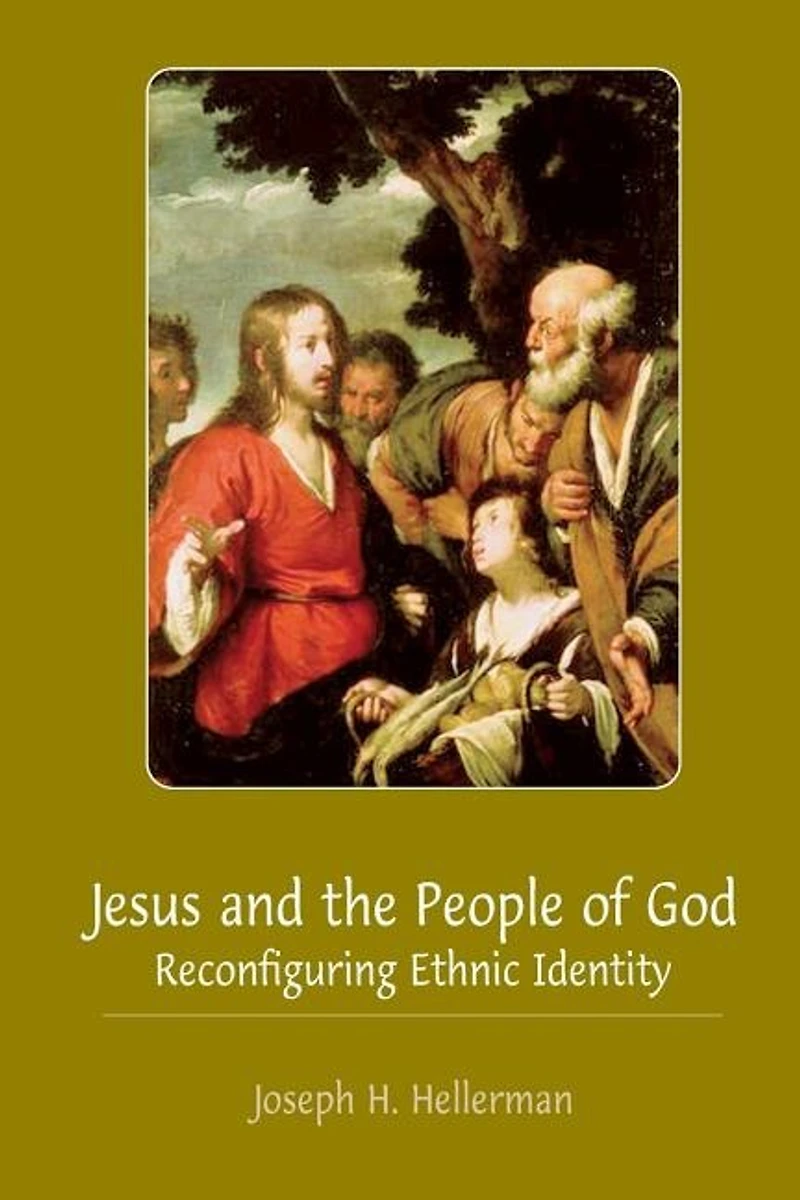
Jesus and the People of God: Reconfiguring Ethnic Identity
By None
Current price: $35.95
Coles
Jesus and the People of God: Reconfiguring Ethnic Identity
By None
Current price: $35.95
Loading Inventory...
Size: Paperback
*Product information and pricing may vary - to confirm current pricing, availability, shipping, and return information please contact Coles. In the event of a pricing discrepancy, the retailer's price will apply.
How did the Jesus movement-a messianic sectarian version of Palestinian Judaism-transcend its Judaean origins and ultimately establish itself in the Roman East as the multi-ethnic socio-religious experiment we know as early Christianity? In this major work, Hellerman, drawing upon his background as a social historian, proposes that a clue to the success of the Christian movement lay in Jesus' own conception of the people of God, and in how he reconfigured its identity from that of ethnos to that of family. Pointing first to Jesus' critique of sabbath-keeping, the Jerusalem temple, and Jewish dietary laws-practices central to the preservation of Judaean social identity-he argues that Jesus' intention was to destabilize the idea of God's people as a localized ethnos. In its place he conceived the social identity of the people of God as a surrogate family or kinship group, a social entity based not on common ancestry but on a shared commitment to his kingdom programme. Jesus of Nazareth thus functioned as a kind of ethnic entrepreneur, breaking down the boundaries of ethnic Judaism and providing an ideological foundation and symbolic framework for the wider expansion of the Jesus movement.
How did the Jesus movement-a messianic sectarian version of Palestinian Judaism-transcend its Judaean origins and ultimately establish itself in the Roman East as the multi-ethnic socio-religious experiment we know as early Christianity? In this major work, Hellerman, drawing upon his background as a social historian, proposes that a clue to the success of the Christian movement lay in Jesus' own conception of the people of God, and in how he reconfigured its identity from that of ethnos to that of family. Pointing first to Jesus' critique of sabbath-keeping, the Jerusalem temple, and Jewish dietary laws-practices central to the preservation of Judaean social identity-he argues that Jesus' intention was to destabilize the idea of God's people as a localized ethnos. In its place he conceived the social identity of the people of God as a surrogate family or kinship group, a social entity based not on common ancestry but on a shared commitment to his kingdom programme. Jesus of Nazareth thus functioned as a kind of ethnic entrepreneur, breaking down the boundaries of ethnic Judaism and providing an ideological foundation and symbolic framework for the wider expansion of the Jesus movement.
You May Also Like













More About Coles at Pine Centre
Shop Coles for bestselling books, toys, stationary, and so much more!
3079 Massey Dr, Prince George, BC V2N 1R4, Canada
Find Coles at Pine Centre in Prince George, BC
Visit Coles at Pine Centre in Prince George, BC
