

Gifting Made Simple
Give the Gift of ChoiceClick below to purchase a Pine Centre eGift Card that can be used at participating retailers at Pine Centre.Purchase HereHome
Japonisme and the Birth of Cinema
Coles
Loading Inventory...
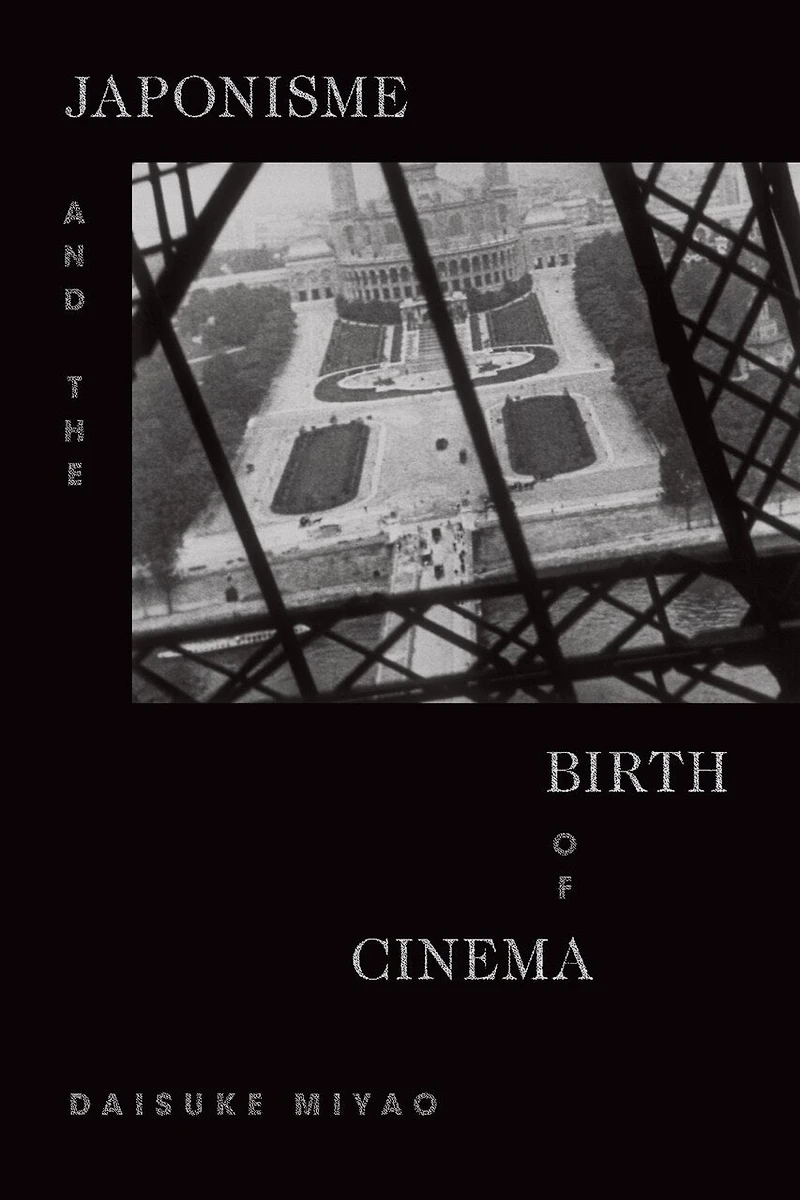
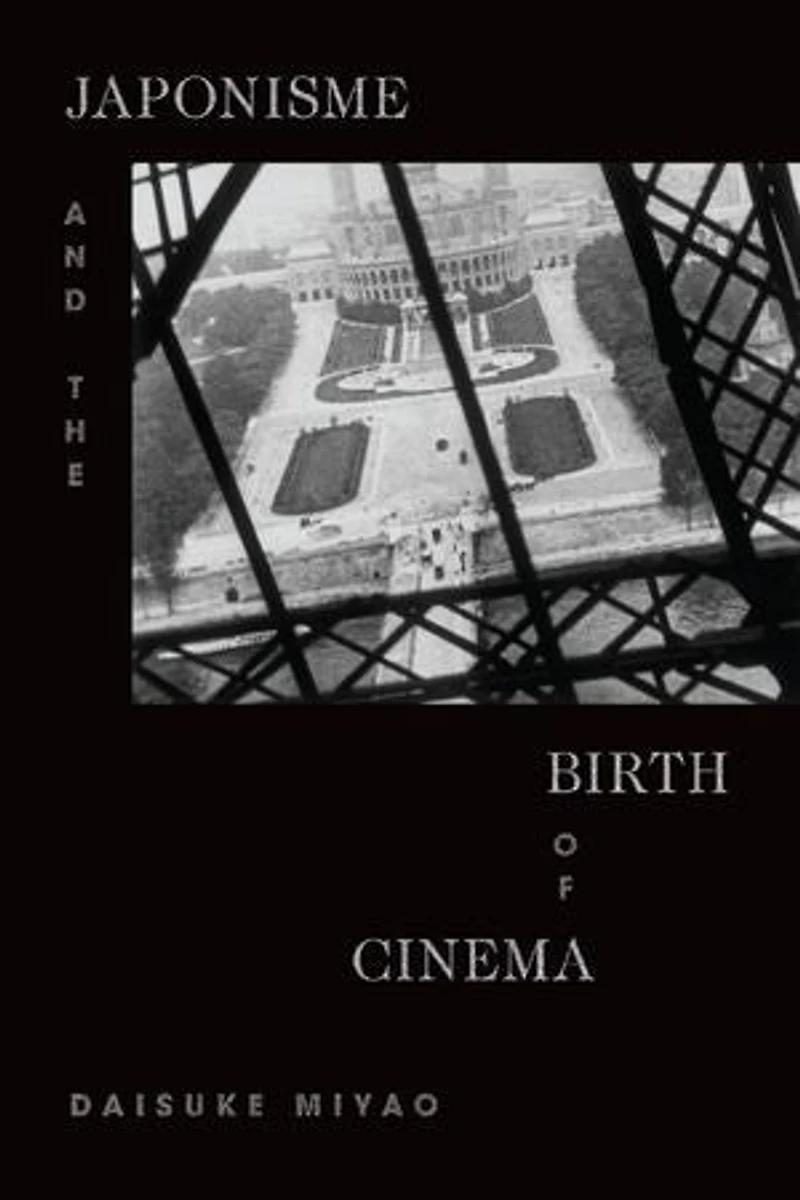
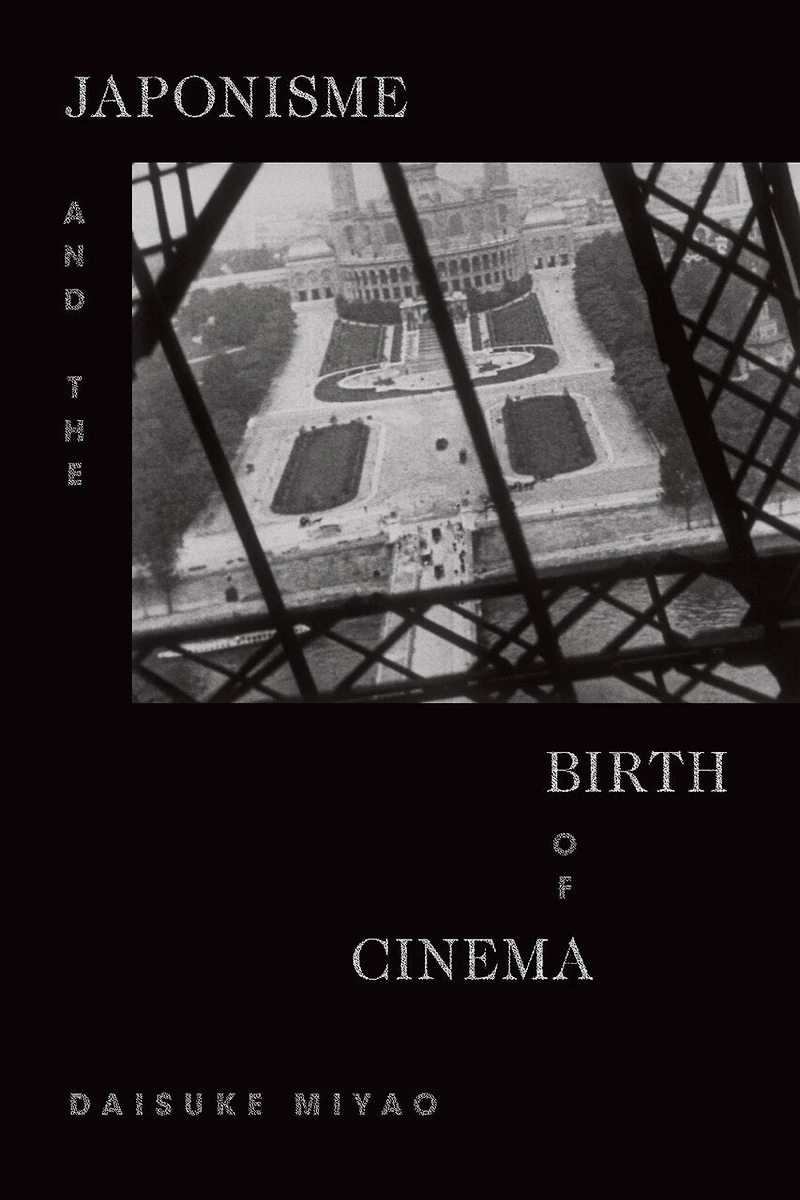
Japonisme and the Birth of Cinema
By None
Current price: $166.95
Coles
Japonisme and the Birth of Cinema
By None
Current price: $166.95
Loading Inventory...
Size: Hardcover
*Product information and pricing may vary - to confirm current pricing, availability, shipping, and return information please contact Coles. In the event of a pricing discrepancy, the retailer's price will apply.
In Japonisme and the Birth of Cinema , Daisuke Miyao explores the influence of Japanese art on the development of early cinematic visual style, particularly the actualit films made by the Lumire brothers between 1895 and 1905. Examining nearly 1,500 Lumire films, Miyao contends that more than being documents of everyday life, they provided a medium for experimenting with aesthetic and cinematic styles imported from Japan. Miyao further analyzes the Lumire films produced in Japan as a negotiation between French Orientalism and Japanese aesthetics. The Lumire films, Miyao shows, are best understood within a media ecology of photography, painting, and cinema, all indebted to the compositional principles of Japonisme and the new ideas of kinetic realism it inspired. The Lumire brothers and their cinematographers shared the contemporaneous obsession among Impressionist and Post-Impressionist artists about how to instantly and physically capture the movements of living things in the world. Their engagement with Japonisme, he concludes, constituted a rich and productive two-way conversation between East and West.
In Japonisme and the Birth of Cinema , Daisuke Miyao explores the influence of Japanese art on the development of early cinematic visual style, particularly the actualit films made by the Lumire brothers between 1895 and 1905. Examining nearly 1,500 Lumire films, Miyao contends that more than being documents of everyday life, they provided a medium for experimenting with aesthetic and cinematic styles imported from Japan. Miyao further analyzes the Lumire films produced in Japan as a negotiation between French Orientalism and Japanese aesthetics. The Lumire films, Miyao shows, are best understood within a media ecology of photography, painting, and cinema, all indebted to the compositional principles of Japonisme and the new ideas of kinetic realism it inspired. The Lumire brothers and their cinematographers shared the contemporaneous obsession among Impressionist and Post-Impressionist artists about how to instantly and physically capture the movements of living things in the world. Their engagement with Japonisme, he concludes, constituted a rich and productive two-way conversation between East and West.


















More About Coles at Pine Centre
Shop Coles for bestselling books, toys, stationary, and so much more!
3079 Massey Dr, Prince George, BC V2N 1R4, Canada
Find Coles at Pine Centre in Prince George, BC
Visit Coles at Pine Centre in Prince George, BC
